The US Federal Reserve's commitment to maintaining hawkish monetary policy risks triggering severe market turbulence in the coming weeks, according to analysis from economist Robin Brooks, a senior fellow at the Brookings Institution and former chief foreign exchange strategist at Goldman Sachs.
Brooks argues that the Fed's decision to tighten policy amid declining oil prices represents a policy error that could accelerate losses across risk assets. WTI crude oil fell below $80 per barrel this week, reaching its lowest level since August 10. Meanwhile, the US Dollar Index hit 104.5 on Monday, its highest level since March.
Market Stress and Policy Implications
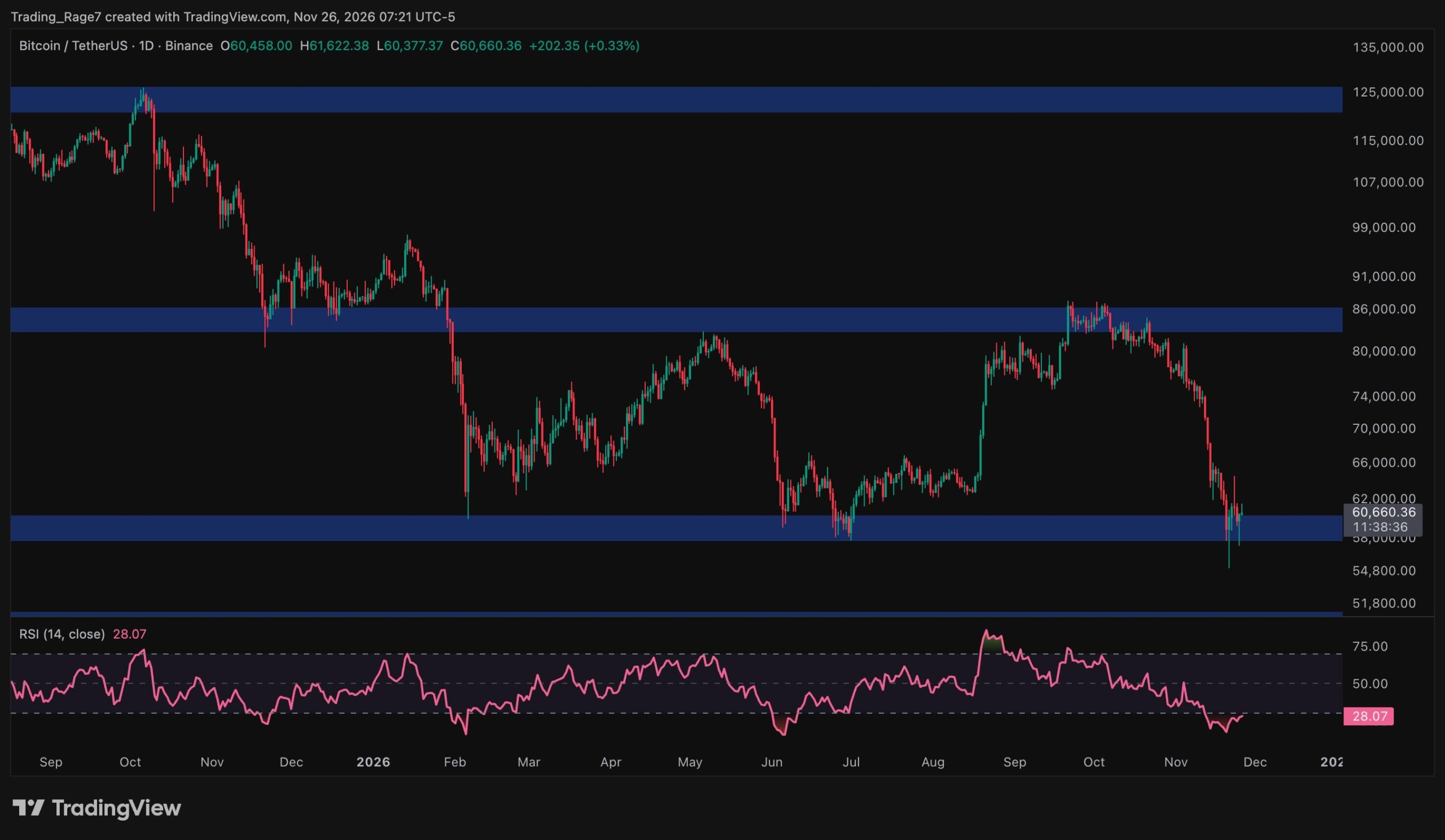
Brooks contends that rising real interest rates, driven by the combination of Fed tightening and falling commodity prices, are intensifying selling pressure across equities and emerging market assets. The S&P 500 fell to 6,882 points on Friday, a level last seen in mid-April. Gold experienced its worst 60-day sell-off in over 40 years.
The economist suggests that if market stress accelerates before the Fed's blackout period begins on November 28, the central bank may ultimately abandon its widely expected 25-basis-point rate hike at its December 8-9 meeting. The blackout period prevents Federal Open Market Committee participants from discussing monetary policy publicly.
Market Expectations
Federal Reserve Governor Christopher Waller recently indicated the central bank may need to consider larger rate increases, stating that the Fed might need to "shock" markets with a 50-basis-point hike to address price pressures from businesses.
Despite these warnings, markets continue to price in a December rate hike. CME FedWatch data shows that as of Thursday, traders assigned just 0.5% probability to the Fed keeping rates unchanged at the December meeting.