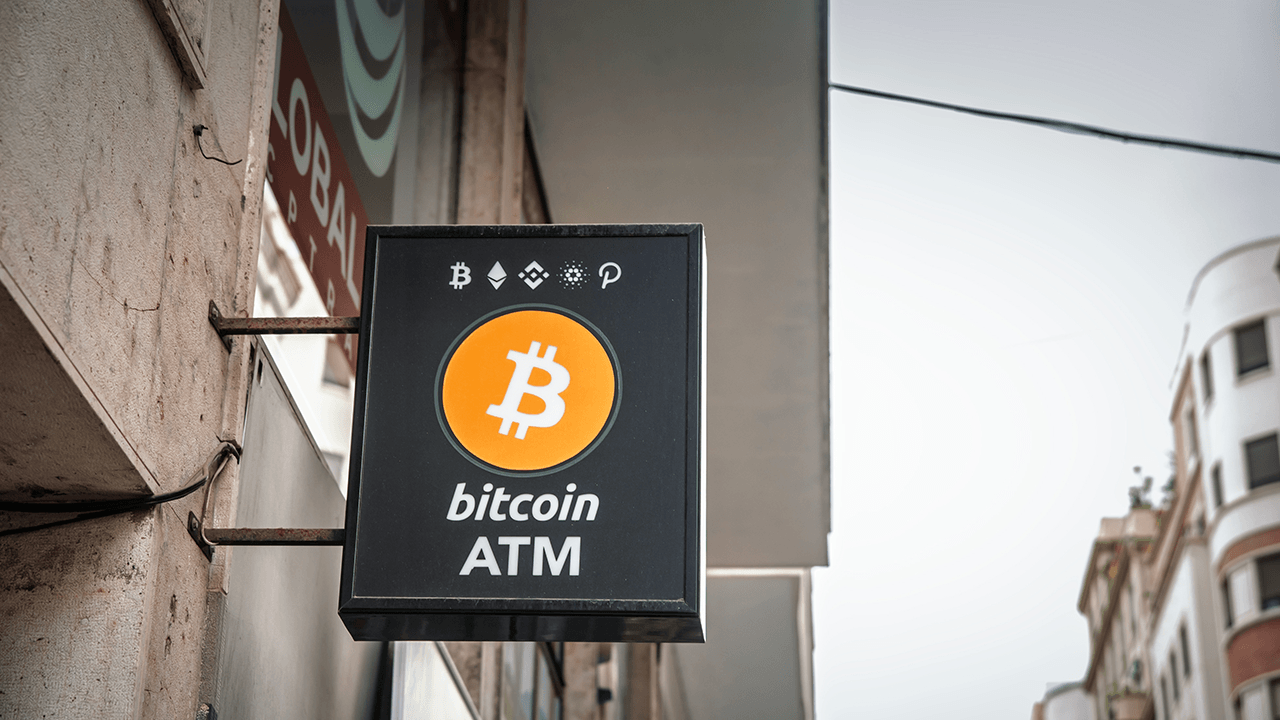
The global cryptocurrency ATM network has contracted significantly, with the worldwide total declining to 27,358 machines—a level not seen since September 2021. According to data from coinatmradar.com, an online directory tracking crypto ATM locations worldwide, 587 machines have been removed since July 8, with the majority of those losses occurring in September.
The United States accounted for 476 of those removals, yet the country remains the dominant market, commanding 71.4% of all crypto ATMs globally. Canada ranks second with 13.5% of machines, followed by Oceania at 7%, concentrated primarily in Australia and New Zealand. Europe represents 5.6% of the global total. Collectively, the U.S., Canada, and Australia account for approximately 91% of all crypto ATMs worldwide.
State-Level Bans Drive U.S. Decline
The primary driver of crypto ATM losses in the United States is regulatory action at the state level. Since 2023, a total of 35 states have enacted legislation related to crypto ATMs and kiosks. Indiana, Tennessee, and Minnesota have implemented outright bans, with policymakers citing fraud and scam prevention as justification. Vermont took a different approach, extending a moratorium on new kiosks rather than banning existing machines.
Prior to September's removal spike, the industry also faced losses from Bitcoin Depot's Chapter 11 bankruptcy filing.
Balancing Regulation and Access
The regulatory crackdown has sparked debate over whether bans represent appropriate fraud prevention or excessive restriction. Supporters of restrictions argue that crypto ATMs facilitate scams, while critics contend that outright prohibitions penalize legitimate users, may drive crypto activity to less regulated channels, and inhibit innovation in the sector.