Gold and silver have suffered dramatic reversals after reaching record highs in late January 2026, erasing roughly $15 trillion in combined market value despite sustained central bank accumulation.
Gold fell below $3,550 per ounce, down 37% from its January 29 peak of $5,600. Silver plummeted beneath $42, representing a 65% decline from its all-time high of $122 in late January. Gold posted its worst weekly performance in eight months with an 8% decline, according to Reuters.
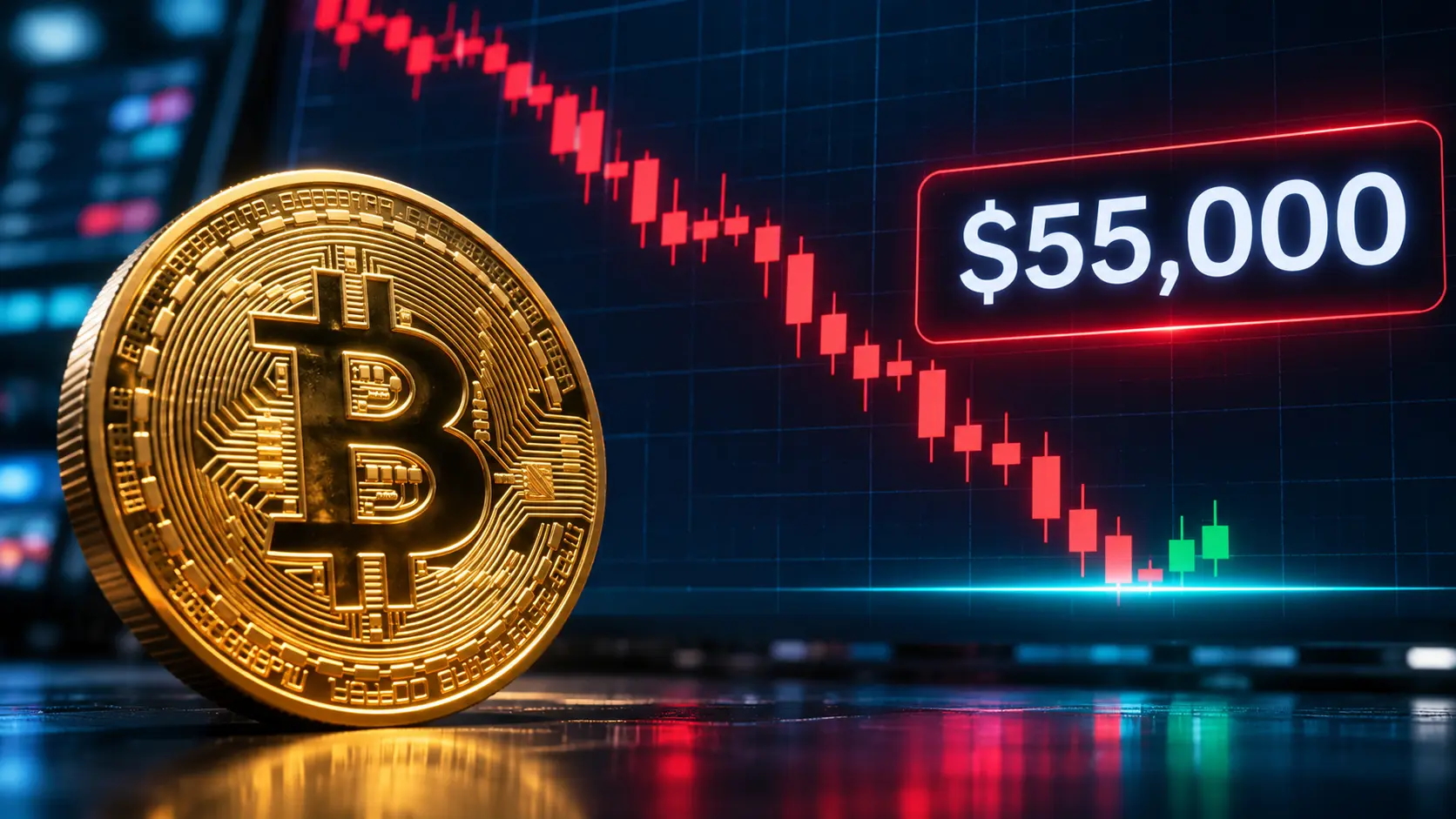
The selloff has extended beyond precious metals. Bitcoin dropped from $81,000 earlier in the month to $55,000, indicating broader liquidity pressures across alternative assets.
Central Banks Step Up Purchases
Central banks accumulated 321 tonnes of gold in the third quarter, 42% more than a year earlier and the strongest quarterly total since Q4 2024. Year-to-date purchases reached 675 tonnes, 6% above the same period in 2025, with China and Poland among the largest buyers.
The World Gold Council expects central banks to remain significant buyers, citing diversification and risk management as key motivations. However, this institutional demand has failed to support prices.
Headwinds Outweigh Demand
Gold faces competing pressures from a stronger US dollar, rising Treasury yields, and market expectations for additional Federal Reserve rate hikes. Markets assign roughly a 90% probability to a December rate increase, making non-yielding assets such as gold less attractive relative to cash and government bonds.
Additionally, Reuters reported evidence of forced selling, with investors liquidating gold positions to cover losses in other markets as equity losses mounted.