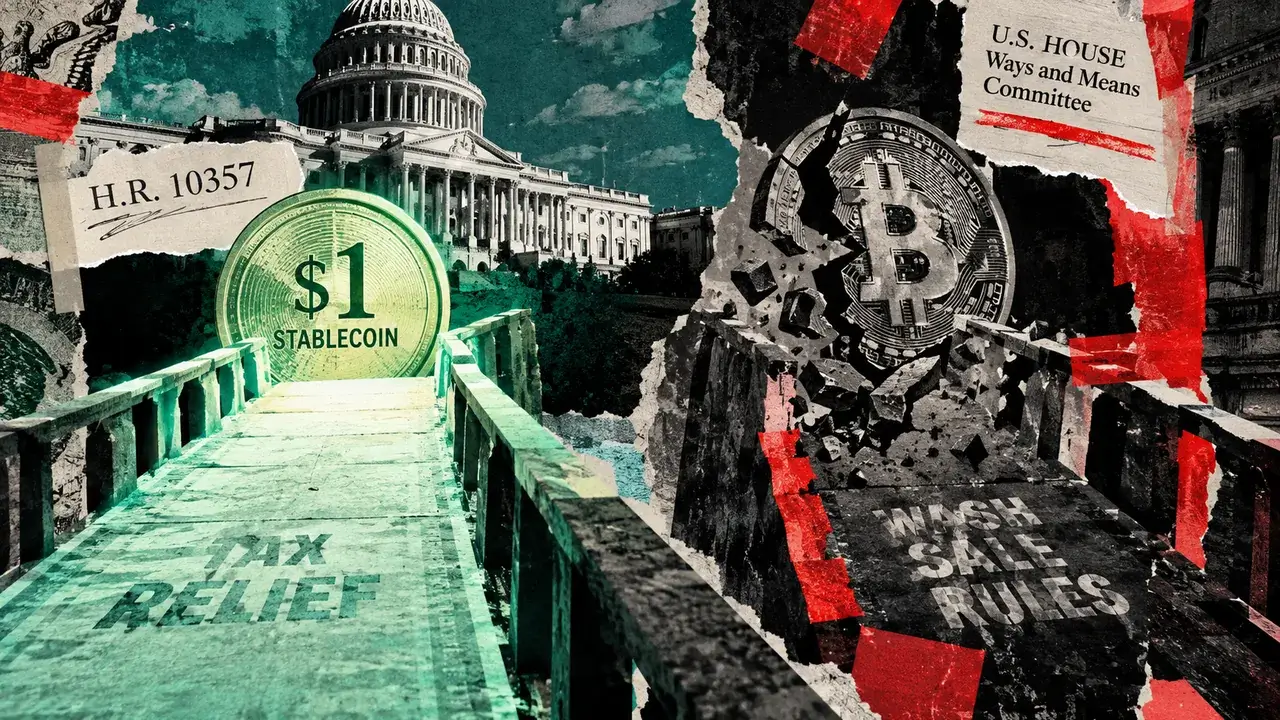
The Senate failed Tuesday to invoke cloture on a motion to proceed to the CLARITY Act, preventing formal debate on the Digital Asset Market Clarity Act. Grayscale responded by emphasizing that regulatory work continues outside Congress, pointing to ongoing efforts at the Securities and Exchange Commission and Commodity Futures Trading Commission.
"While this was not the outcome we hoped for, the industry continues to make remarkable progress through the ongoing work of regulators like the SEC and CFTC," Grayscale stated. The asset manager added that it remains committed to advancing clear, comprehensive digital asset rules and will continue working with policymakers and regulators.
Senate Vote and CLARITY Act Revisions
The procedural vote required 60 votes to advance to formal consideration of the legislation. Senate Republicans had released a final draft of the bill on September 14 containing 126 changes they said Democrats requested. These revisions addressed token classifications, issuer disclosures, SEC and CFTC oversight, decentralized finance, bank protections, developer safeguards, consumer enforcement, and federal ethics restrictions.
The final version came after weeks of negotiations over digital asset regulation and the division of responsibilities between the SEC and CFTC. Disagreements over banking, stablecoins, ethics, and state regulatory authority persisted ahead of the vote.
Industry Advocacy and Regulatory Path Forward
Supporters pressed for the legislation through the day of the vote. Ripple CEO Brad Garlinghouse backed Treasury Secretary Scott Bessent's argument that the CLARITY Act would provide tools to address risks involving community banks and stablecoins.
While the failed cloture vote halted the bill's immediate path to Senate debate, federal crypto policy development continues through SEC and CFTC rulemaking within their respective authorities. Congressional legislation could establish a broader statutory framework, but regulatory agencies can develop rules independently of the stalled legislation.