Malicious code was planted on the websites of 178 organizations, including hardware wallet maker Ledger, through a compromise of Optimizely, a web testing platform used by major companies. The attack affected sites including Zoom, the BBC, CNN, Salesforce, IKEA, HSBC, Equifax, and Air France-KLM.
How the Attack Worked
On November 16, 2026, attackers injected malicious JavaScript code into Optimizely's Web experimentation platform. Rather than breaching individual websites directly, the attackers wrote custom code into an optional field within customers' Optimizely projects, allowing the malware to be served from a domain already trusted by affected sites.
Report URI, a firm monitoring website scripts, found 188 infected code snippets across 1,611 total Optimizely snippets examined. The malware performed multiple functions, including swapping cryptocurrency wallet addresses, harvesting payment card data, stealing cookies and screenshots, and distributing iOS exploit kits.
Cryptocurrency Theft Method
The most significant threat to cryptocurrency users was an address-swapping tool, known as a clipper. The malware replaced wallet addresses copied by users with addresses controlled by the attackers. This exploited the common practice of copying and pasting long wallet addresses rather than manually verifying them character by character.
According to Report URI's timeline, the first crypto clipper was deployed at 08:10 UTC, with stolen funds swept to exchanges by 13:03 UTC. By Monday, wallets tied to the attack had received approximately $7,000.
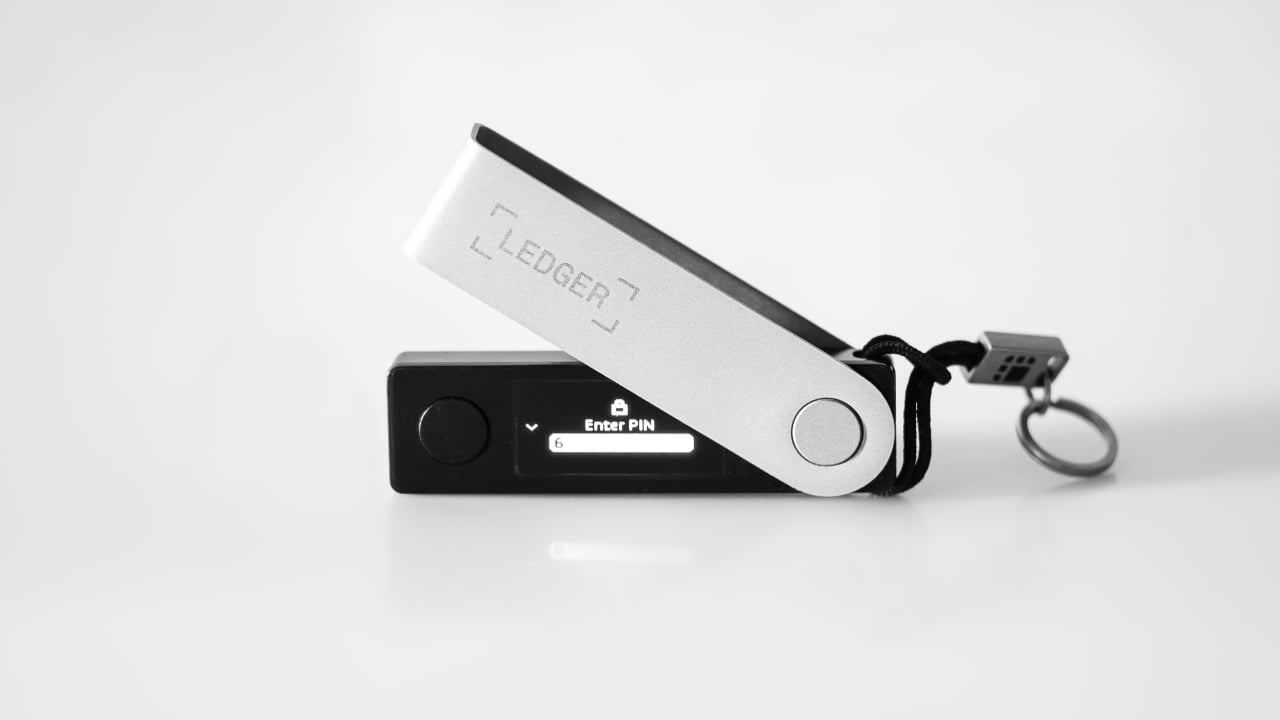
Ledger's inclusion in the compromised sites was particularly significant, as the company's customers are cryptocurrency holders who visit the site to download software and access setup guides. Ledger's malicious snippet was cleaned at 20:41 UTC, among the first removed during a mass cleanup occurring between 20:40 and 21:10 UTC.
Optimizely Response
Optimizely confirmed the breach and stated that an unauthorized party exploited a vulnerability in its Experimentation account signup flow. The company blocked access to the vulnerable path, deployed a fix, and removed injected code from affected projects. Optimizely also ended active sessions, revoked tokens, and reset access for affected user accounts.
The company notified affected customers and continued investigating the incident. By 21:52 UTC, Report URI found only one infected snippet still active.
Recommendations
Report URI advised anyone who visited an affected site on November 16 to verify every cryptocurrency transfer made that day and compare transaction destinations with intended addresses. The firm also recommended updating iPhones and iPads to iOS 18.7.3 or later.