Security incidents involving major hardware wallet manufacturers are accelerating interest in multivendor multisig setups, a security approach that combines devices from different makers to reduce vulnerability to single points of failure.
How Multivendor Multisig Works
In a multivendor multisig arrangement, cryptocurrency keys are distributed across hardware devices from different manufacturers. In a common 2-of-3 configuration, three keys are created on three separate devices, with two signatures required to authorize a transaction. If one device is compromised, an attacker cannot move funds without also obtaining keys from the other devices.
This approach would have protected users affected by recent Ledger and Coldcard incidents, provided the additional devices came from different manufacturers and were purchased through separate sales channels. Compromised reseller Cryptobilis sold devices from multiple makers including Ledger, Trezor, Tangem, and Safepal, though only Ledger devices have been confirmed as tampered with.
Industry Response
Developers of Bitcoin wallets Liana and Nunchuk are implementing multivendor multisig solutions, though current offerings do not yet support all hardware wallets on the market. Both firms argue that single-vendor or single-device setups should be considered at-risk.
Cost and Market Implications
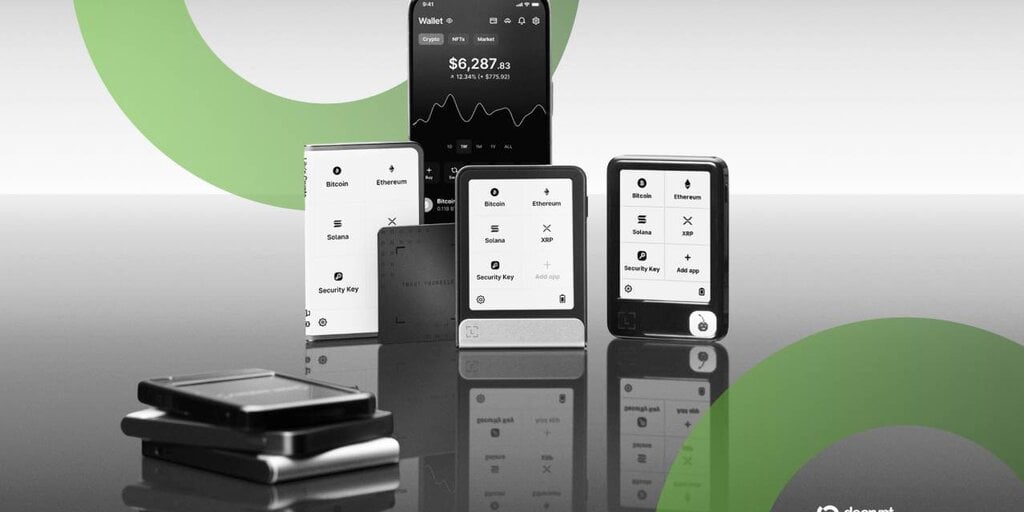
Adopting multivendor multisig involves purchasing multiple devices. Current retail pricing includes Ledger wallets at $59–$399, Trezor at $59–$249, and BitBox at $167–$196. Block's Bitkey device costs $250 and offers an alternative multisig approach using a hardware wallet, mobile device, and company server.
If multivendor multisig becomes standard practice, hardware wallet manufacturers could experience increased sales. Multisig solution providers and collaborative custody services such as Casa and Unchained could also expand their user bases and become more prominent sales channels for device manufacturers. Casa offers Premium and Private Client plans ranging from $2,100 to $7,500 annually.
Trade-offs and Challenges
Ledger's CTO has cautioned that multivendor multisig adds complexity that could increase the risk of user error resulting in lost funds. Adoption rates will depend on whether users' security concerns outweigh concerns about setup complexity, as well as whether the industry develops more user-friendly solutions. Some users may instead opt for custodial solutions or cryptocurrency investment vehicles such as ETFs.