Heatbit has launched Bitwater, a residential heating element that warms water and mines Bitcoin simultaneously. The Delaware-based company designed the device to fit into electric water tanks that homeowners already own. Preorders opened on October 22, 2026, and first shipments are expected in the first quarter of 2027.
What Bitwater does
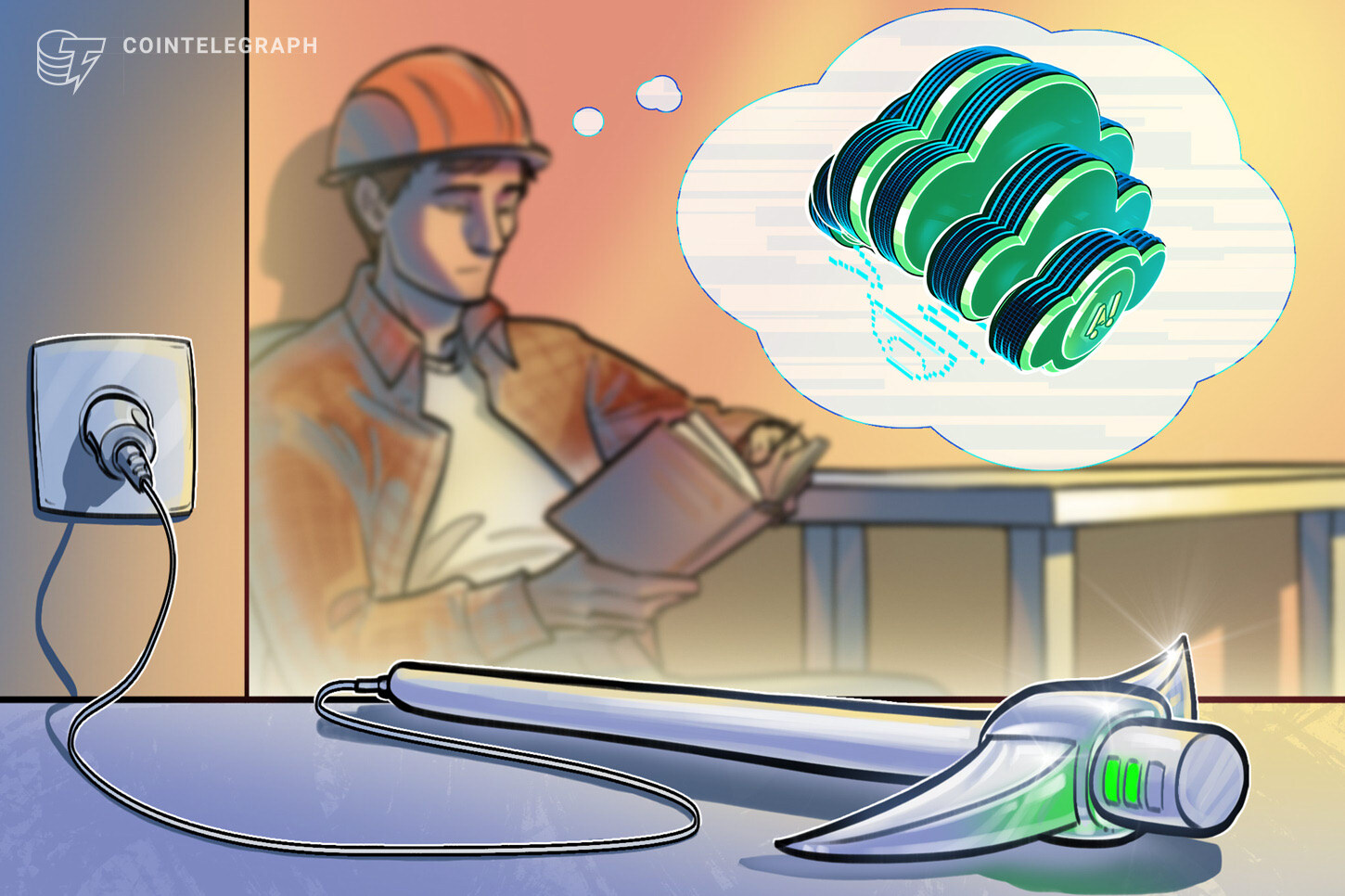
Bitwater replaces the heating element inside an existing electric water tank. Instead of a plain resistive coil, the element runs SHA-256 hashing—the cryptographic puzzle-solving that secures the Bitcoin network. The waste heat from that computation then warms the water.
Heatbit says the device delivers up to 34 TH/s of hashing power. TH/s stands for terahashes per second, a measure of how many guesses a machine makes at the Bitcoin puzzle each second.
Efficiency is rated at 12 J/TH, or joules per terahash. Lower is better, and 12 J/TH puts the hardware in modern ASIC territory rather than hobbyist tinkering. Multiplying those two numbers gives a peak power draw of about 408 watts.
According to Heatbit, homeowners keep the same hot-water output and the same electricity usage. The company’s argument is that the energy bill does not change; the heat simply arrives with a Bitcoin receipt attached.
Because Bitwater is cooled by the water it heats, Heatbit says it runs quietly. Submerging the chip removes the need for the loud fans that make home mining unpleasant.
How users get paid
Heatbit’s devices support two modes. The first is pooled mining, where the device joins a group of miners who combine their hashing power and split rewards proportionally. Payouts come in satoshis, the smallest unit of Bitcoin.
The second is solo lottery mode. In this setup, the device tries to mine an entire block on its own. A win would pay out the full block reward.
The company behind it
Heatbit was founded in 2020 by Alex Busarov after observing how much heat mining equipment threw off. The startup has raised $250,000 from investors including Stillmark and Axiom BTC.
What this means
For the Bitcoin network, products like Bitwater push mining work back into ordinary homes, spreading it across many independent operators. The research suggests adoption of Heatbit’s devices could contribute an estimated 285% increase to the global bitcoin hashrate.
For homeowners, if Heatbit’s claim holds that energy use stays the same, any mining reward functions as a partial rebate on the cost of heating water.
Competition is arriving too. Superheat has introduced similar products aimed at the home mining market, suggesting that heat-reuse mining is becoming a category rather than a curiosity.
The things to watch are straightforward. First, whether Heatbit hits its first-quarter 2027 shipping target. Second, whether real-world units deliver the advertised 34 TH/s and 12 J/TH once they are sitting in basements rather than spec sheets.