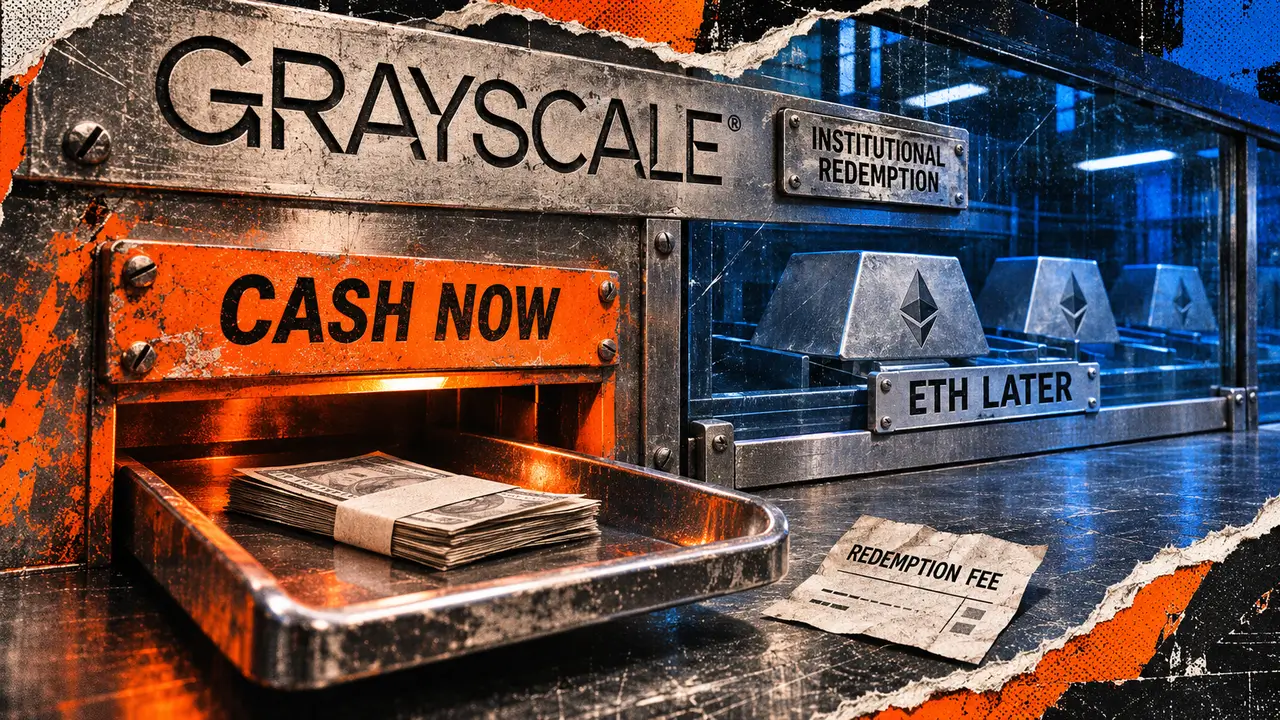
Staking Ethereum ETFs generate income for investors by locking coins into network validation, but the redemption process reveals potential costs that may not be immediately apparent.
When investors sell shares in a staking Ethereum ETF, the transaction transfers ownership without requiring the fund to withdraw staked coins from the network. However, large institutions that redeem shares directly with the fund face a different situation. These authorized participants return share blocks called baskets in exchange for cash or assets, depending on the fund's terms.
The liquidity challenge
Funds typically maintain a reserve of unstaked Ethereum to handle redemptions without initiating validator exits. When this reserve becomes depleted during unexpected redemption demand, funds must arrange alternative financing.
Under these circumstances, a participating trading company can supply cash immediately while the fund owes the designated Ethereum once those coins become transferable from the staking process. This arrangement allows redemptions to proceed while Ethereum's exit procedures complete on the network.
The trading company receives a fixed fee for this service, which compensates it for the expected wait and any price difference between the trade date and delivery date. The redeeming broker absorbs this cost, which can then influence the share price offered to departing investors.
Operational reserves vary significantly
Different Ethereum ETFs maintain different proportions of coins outside staking. As of September 30, staked shares ranged considerably across products. For example, one fund ended the month with 50.9% staked, though its daily average during the quarter was 76.05%, indicating substantial variation in available liquidity.
Some funds, including BlackRock's ETHB, also use overnight financing arrangements to cover the time needed to move Ethereum from custody into trading accounts. These typically require repayment within 24 hours, with Coinbase Credit serving as a lender for some products.
Fee impact on redemption prices
The costs associated with delayed delivery can influence the prices investors receive when exiting positions. If redemption fees and financing expenses rise above what authorized participants budget for, they may reduce their bids for shares, resulting in lower redemption prices for selling shareholders.
Grayscale's disclosures restrict delayed-delivery arrangements to unforeseen circumstances that exhaust unstaked reserves, with the terms specified in filed liquidity-provider agreements. The company has already distributed staking proceeds to shareholders in cash, making the yield visible, while these redemption expenses represent costs on the opposite side of that income.
For investors comparing staking Ethereum ETFs, examining the redemption structures and liquidity arrangements reveals differences in how funds manage the gap between immediate redemption requests and the network's staking withdrawal timelines.