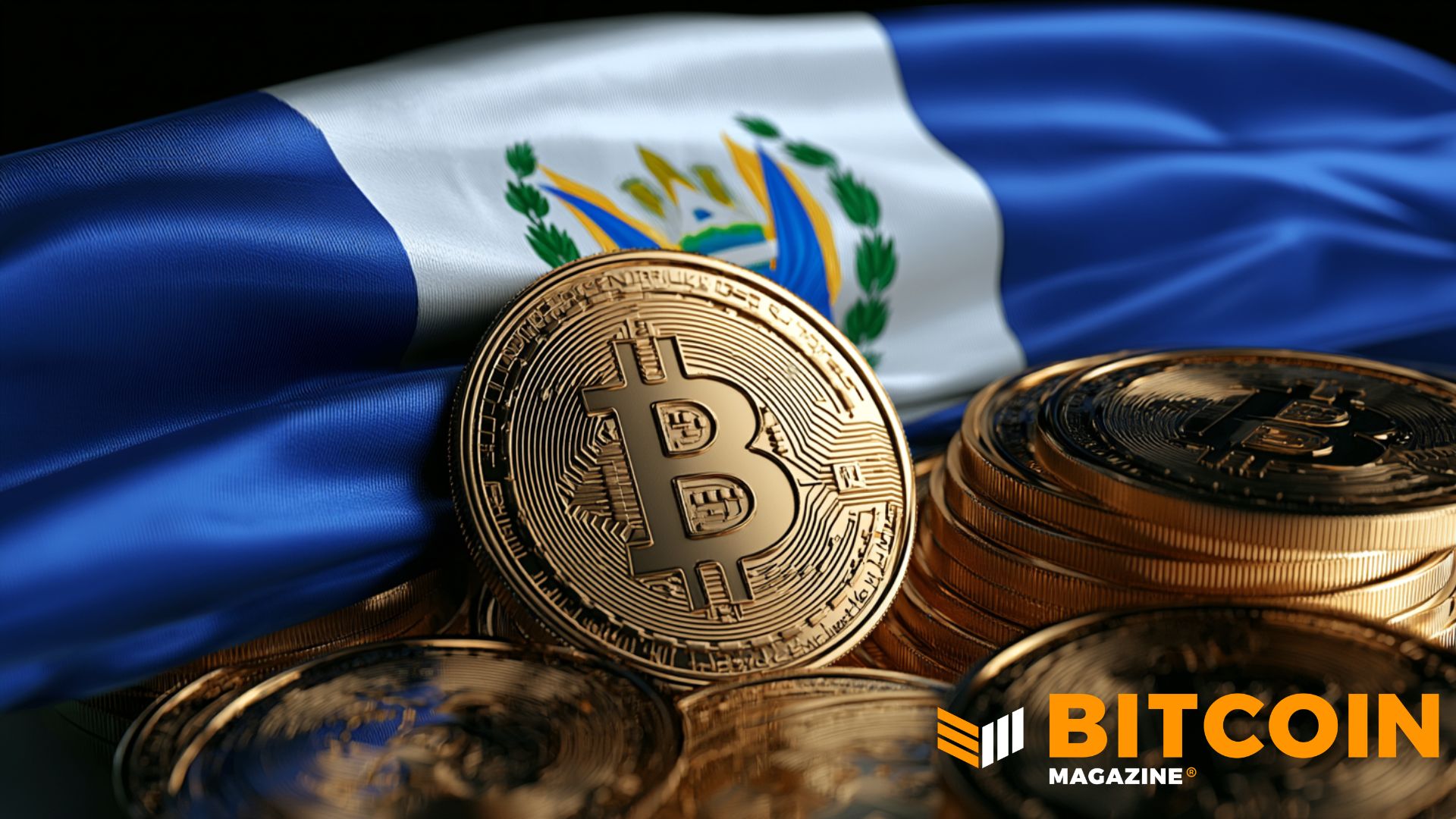
El Salvador has not used public funds to accumulate bitcoin since the International Monetary Fund's last review of its loan program, the fund announced Thursday.
In a report, the IMF stated that the Central American country had instead received bitcoin from private donations, citing documentation from the government. The fund added that "no further Bitcoin accumulation beyond the documented donations is expected."
"Documentation has been provided verifying that Bitcoin accumulation since the first review reflects private donations and that no public resources were used," the IMF release said.
El Salvador made headlines in 2021 when it became the first country in the world to make bitcoin legal tender. President Nayib Bukele had announced in 2022 that the country would buy one bitcoin per day, though the source of funding was unclear at the time.
The report also noted that public participation in the government-sponsored bitcoin wallet, called Chivo, has been largely wound down. Majority ownership and operational control have been handed to a private operator.
The IMF entered a $1.4 billion loan agreement with El Salvador at the end of December. As part of the agreement, the fund requested the country to scale back certain aspects of its bitcoin strategy. The World Bank and IMF have long criticized El Salvador's Bitcoin Law, which required businesses to accept the cryptocurrency if they had the technological means.
The IMF and Salvadoran authorities said they "reached understandings on steps to modernize the legal, regulatory, and supervisory framework for digital assets and to further strengthen the governance and risk-management arrangements for public-sector crypto-asset holdings."