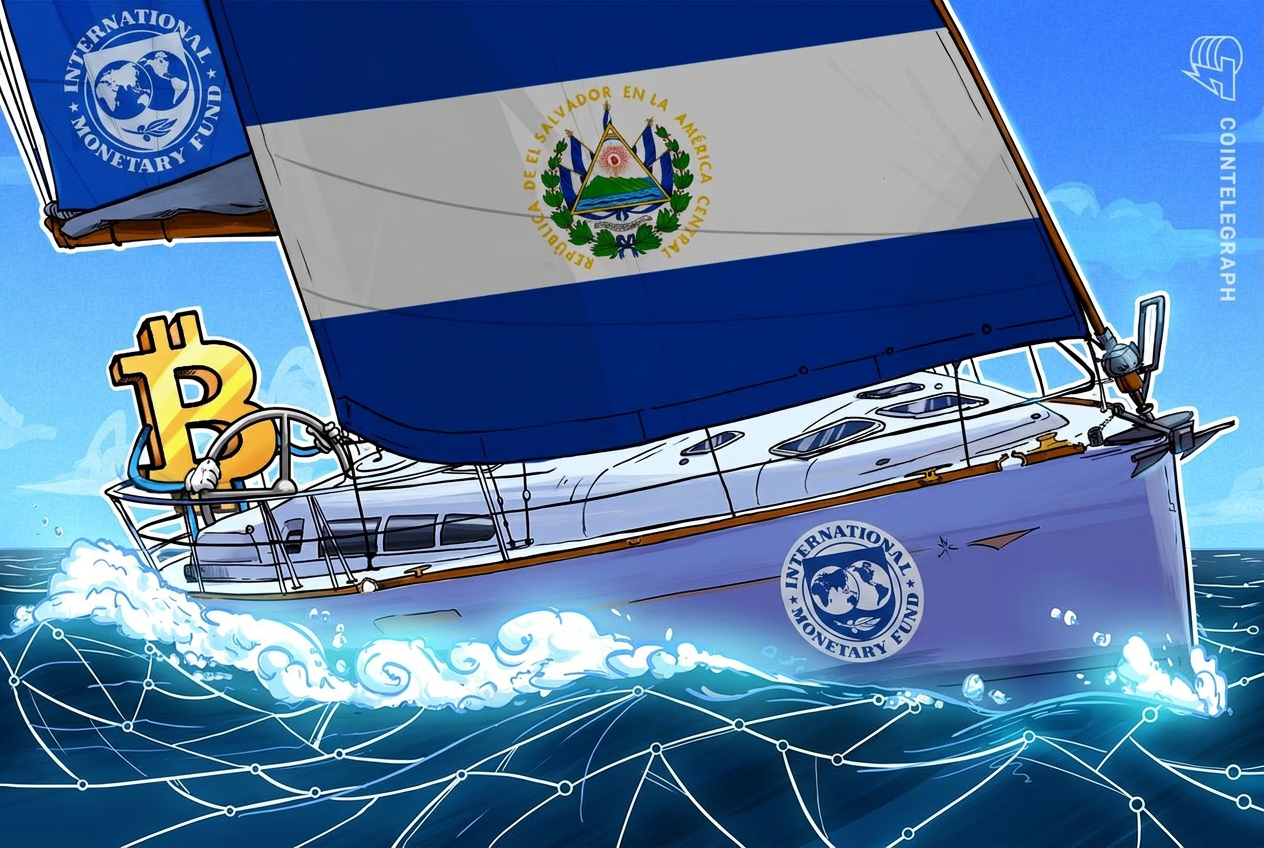
The International Monetary Fund stated that El Salvador used no public resources to accumulate Bitcoin following the first review of its IMF financing program in June 2025. In a Thursday statement, the IMF said documents from Salvadoran authorities verified that the accumulation came from private donations.
The IMF also confirmed that majority ownership and operational control of the Chivo wallet had been transferred to a private operator, while the government retained a minority stake and custodial responsibilities. According to the lender, no further accumulation beyond documented donations is expected.
The explanation addresses questions raised when El Salvador announced in November 2025 that it had acquired 1,090 Bitcoin worth $100 million, which prompted concerns about compliance with its $1.4 billion IMF program.
Bitcoin Restrictions and Ongoing Accumulation
In December 2024, El Salvador agreed to limit public-sector involvement in Bitcoin under the IMF agreement. The deal made private-sector Bitcoin acceptance voluntary, required taxes to be paid in US dollars, and called for government involvement in Chivo to be unwound.
In March 2025, the IMF issued new documents barring voluntary accumulation of Bitcoin by the public sector. President Nayib Bukele responded that purchases were "not stopping" and said El Salvador would keep adding at least one Bitcoin daily.
Since then, El Salvador's Bitcoin Office has regularly posted announcements of continued accumulation. In July 2025, the IMF initially explained that no new Bitcoin had been purchased since the December agreement, attributing increases to consolidation among government wallets.
According to the National Bitcoin Office's official reserve tracker, El Salvador currently holds approximately 7,764 Bitcoin. The country's Bitcoin holdings remain higher than before the IMF agreement.