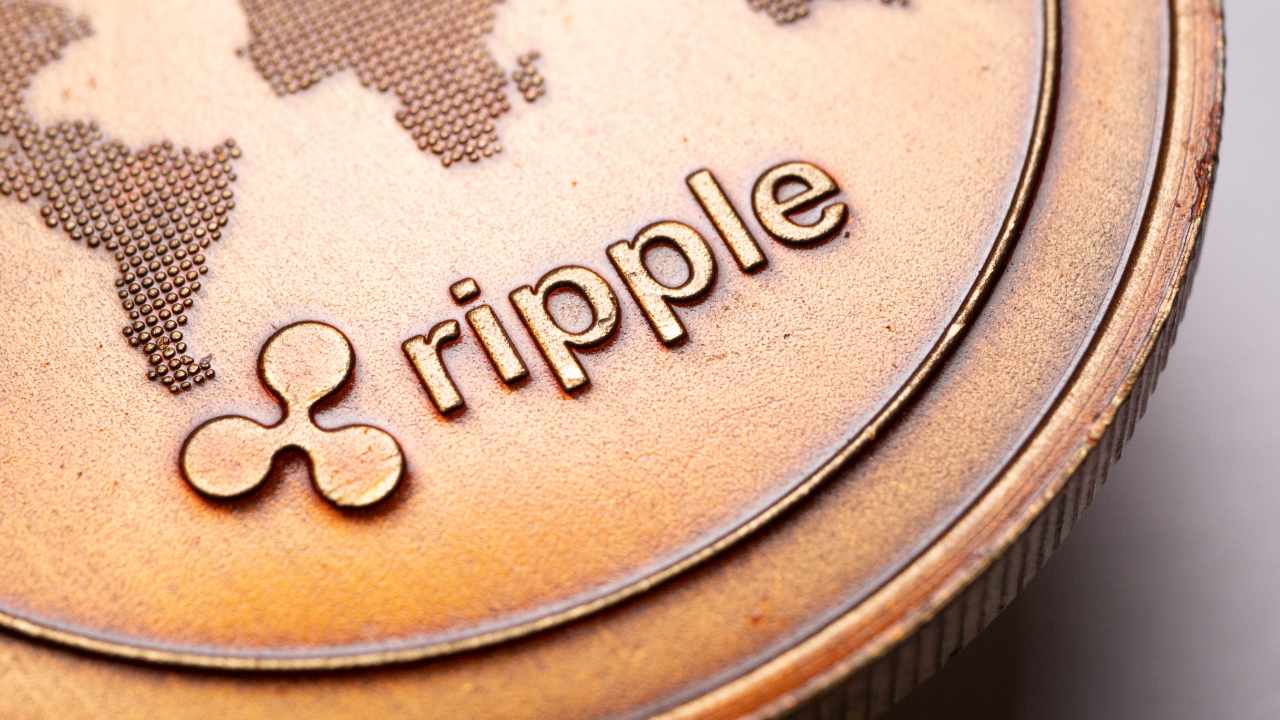
Despite XRP's recent price decline, institutional adoption and developer activity on the XRP Ledger remain resilient. According to Odelia Torteman, head of digital assets at XRPL Commons, expanding enterprise use, real-world asset tokenization, and upcoming lending features could generate sustainable demand for XRP.
Protocol Architecture as Demand Driver
XRP reached an all-time high in mid-2025 but has since experienced a marked pullback, breaching the $1 support level in August 2026. Despite this price stagnation, developer and institutional engagement across the XRP Ledger remains strong, with major financial institutions such as Japan's SBI Group continuing to adopt the protocol.
Torteman highlighted how the ledger's native architecture supports institutional requirements directly onchain. She noted that features such as multi-purpose tokens, permissioned domains, and a permissioned decentralized exchange require XRP reserves, meaning that as the number of accounts and assets grows, so does the amount of XRP held for this purpose. XRP also serves as a key bridge asset for liquidity across decentralized exchange routing and automated market maker pools.
Real-World Assets and Stablecoin Growth
The XRP Ledger ranks among the top three chains for real-world asset tokenization. Ripple's stablecoin, RLUSD, has surpassed $2 billion in market capitalization, with over half hosted on the XRPL, demonstrating institutional adoption of tokenized assets on the network.
Torteman emphasized the ledger's trajectory toward becoming compliance-grade settlement infrastructure for digital finance. She cited real-world asset tokenization and stablecoin issuance as key drivers of this evolution.
Upcoming Credit Infrastructure
Pending protocol activations, including the Lending Protocol and Single Asset Vaults, will enable underwritten, fixed-term credit models. Torteman explained that these developments would enable a progression where tokenized treasuries become collateral, collateral becomes credit, and credit becomes structured yield, all on the same infrastructure.
Cross-Chain Integration and Ecosystem Development
Cross-chain connectivity is emerging as another growth catalyst. The XRP Ledger has been integrated into LOBSTR, an established wallet in the Stellar ecosystem. The first phase, live on iOS and Android, allows users to manage XRPL accounts, trade tokens on the native decentralized exchange, swap XRP across chains, and access fiat on-ramps for RLUSD.
XRPL Commons is organizing a New York hackathon alongside industry partners including AWS, Mastercard, Ledger, and Quicknode. The event focuses on four core tracks: agentic finance, lending and borrowing, native protocol development, and open innovation. Top teams will receive technical mentorship, partner introductions, and access to dedicated startup programs. Six teams from a previous buildathon in Paris have already launched businesses and joined XRPL startup pipelines.