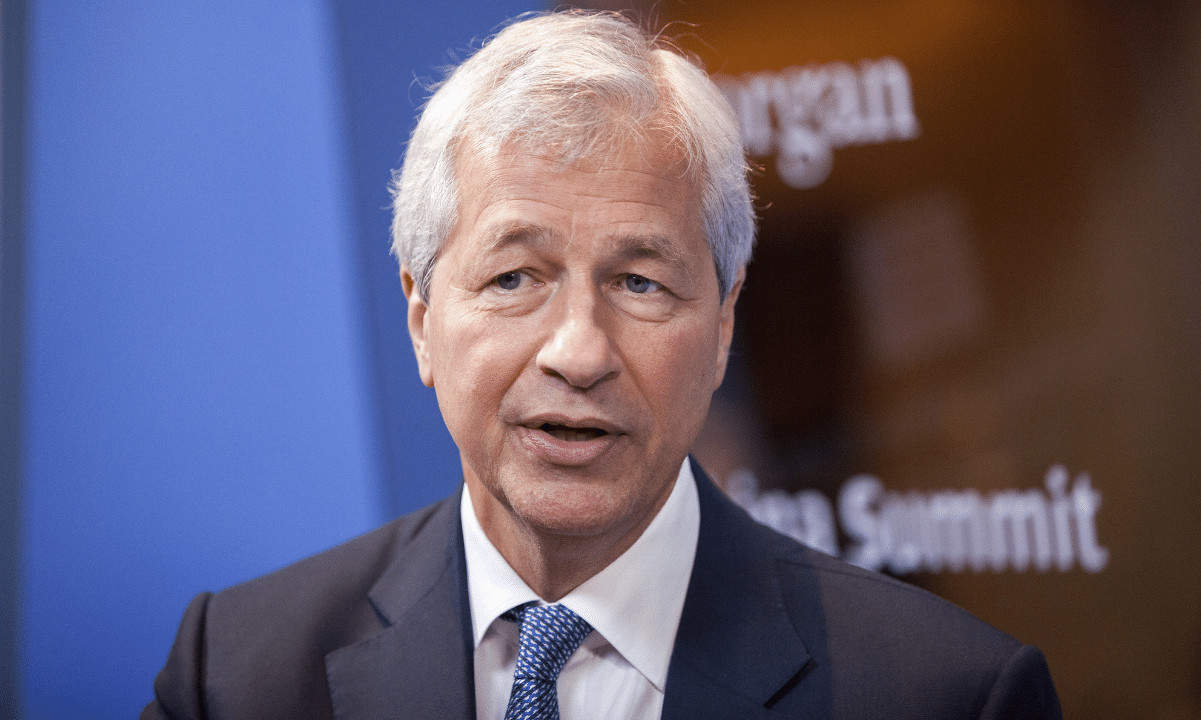
JPMorgan has undergone a significant shift in its approach to bitcoin and cryptocurrency, despite years of vocal skepticism from its longtime CEO Jamie Dimon. The banking institution now predicts bitcoin could outperform large-cap stocks, REITs, and gold over the next 10 to 15 years with an estimated 10% annual compounded return.
This latest forecast marks a dramatic reversal from Dimon's public statements on cryptocurrency. In 2017, he called bitcoin a "fraud" and said JPMorgan traders caught dealing with it would be fired. Over subsequent years, his criticism intensified, describing bitcoin as "worthless," "fool's gold of the future," and a "decentralized Ponzi scheme." During a 2023 Senate hearing, Dimon stated that if he were running the U.S. government, he would "close it down," citing associations with criminal activity.
Actions Behind the Rhetoric
While Dimon's public commentary remained hostile, JPMorgan's business strategy moved in a markedly different direction. The bank launched JPM Coin, built its Onyx blockchain infrastructure, and executed tokenized collateral transactions with partners including BlackRock and Barclays. The firm invested in blockchain intelligence company TRM Labs and provided wealth-management clients access to crypto funds.
JPMorgan has since accelerated its integration of native cryptocurrency into traditional banking services. The bank now allows institutional clients to use bitcoin and ethereum as collateral for loans, one of its most direct native crypto integrations. The bank has also collaborated with Coinbase to make crypto purchases accessible to Chase customers, while JPMorgan Securities serves as an authorized participant for BlackRock's spot Bitcoin ETF.
Blockchain Expansion
On the blockchain infrastructure side, JPMorgan has expanded into public networks. JPM Coin (JPMD) is now available on Ethereum and Base, and the bank has launched tokenized money-market funds on Ethereum while expanding JPM Coin to the Canton Network.
The bank acknowledges that bitcoin could remain highly volatile, but its recent report suggests a significantly more optimistic long-term outlook than the institution's leadership has publicly expressed in previous years.