TRON, which has built its prominence as a platform for stablecoins, is preparing to expand into tokenized real-world assets. At TOKEN2049 Singapore in October 2026, founder Justin Sun outlined a plan to bring tokenized equities and US Treasuries onto the network.
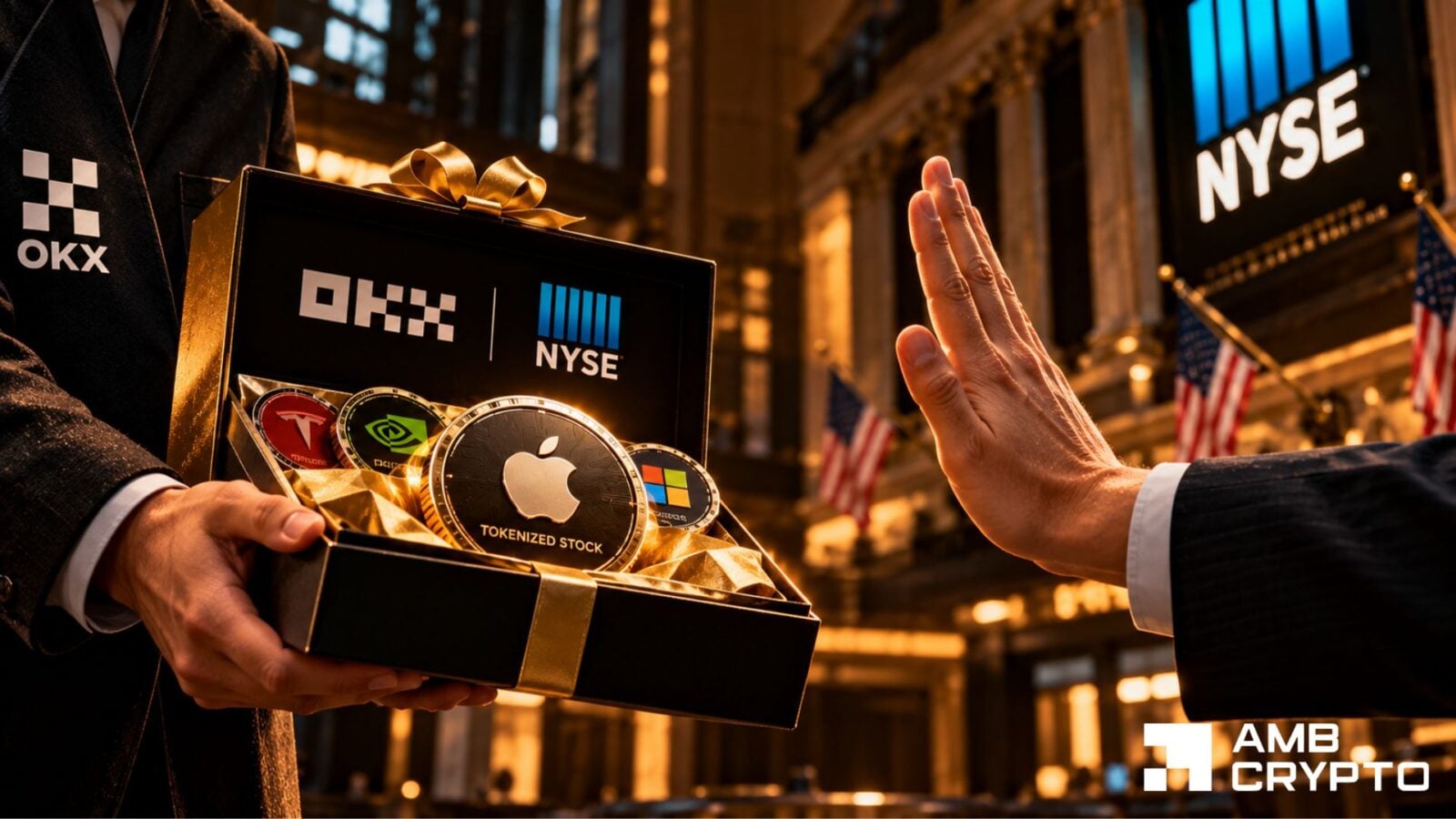
The centerpiece of the expansion is tokenized real-world assets, or RWAs—digital representations on a blockchain that correspond to ownership of off-chain assets such as company shares or government bonds. Sun said the first step will be a launch of tokenized share offerings in Q4 2026, targeting a global audience with particular focus on Asia and emerging markets.
Sun projected that the tokenized stocks market could exceed $100 billion within five years.
Existing Stablecoin Position
Sun's argument for TRON's advantage rests on the network's existing dominance in stablecoin settlement. As of Q3 2026, USDT on TRON reached over $92.7 billion, representing more than 50% of the global USDT supply. In September 2026, TRON settled approximately 73% of total stablecoin volume.
Sun indicated that existing regulatory frameworks from agencies such as the CFTC and SEC provide sufficient footing to proceed without new congressional legislation.
Technical Developments
TRON is also developing autonomous AI agents capable of executing transactions without manual intervention. The network has implemented post-quantum signatures on its Nile testnet, with plans to deploy these upgrades to the TRON mainnet by the end of 2026.
Regulatory Considerations
The expansion into tokenized securities represents a more sensitive regulatory territory than stablecoins, involving questions around securities rules, investor protection, and asset custody. Key developments to monitor include whether the Q4 2026 tokenized share launch proceeds as planned, regulatory response to TRON proceeding without congressional action, and the completion of the post-quantum upgrade rollout to mainnet.