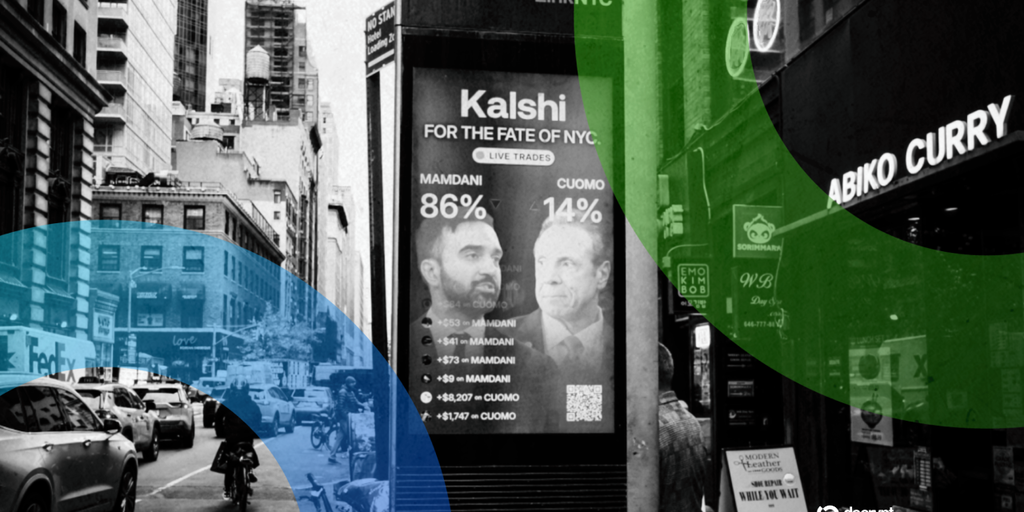
Kalshi, a U.S. prediction market platform, is marketing its contracts to small businesses as a form of microinsurance. The company says roughly 500 firms have used its platform to hedge risks such as commodity price fluctuations, extreme weather and power outages, according to statements from Kalshi’s director of business development.
Microinsurance Use Cases
Examples cited include a New York rice brand that purchased contracts costing about $9,000, which would pay up to $60,000 if new tariffs on Indian rice imports were imposed. Event organizer NEXTPredict paid a $12,000 premium for contracts that would have returned about $3 million if more than half of scheduled arrivals at New York’s JFK Airport had been cancelled the day before its October conference. The conference proceeded as scheduled, so the contracts did not trigger a payout.
Liquidity and Market Scope
Kalshi’s business‑focused markets remain limited in size. The firm is offering cash incentives to traders to provide liquidity, and an insurance broker noted modest uptake. The platform declined a request to hedge wildfire risk, citing a policy against markets that could create perverse incentives.
Legal Pressure Across States
Kalshi’s diversification effort coincides with heightened legal scrutiny. The company paused operations in Utah after a federal appeals court declined to halt the state’s enforcement actions, cutting off access for more than 177,000 users. Utah’s attorney general subsequently moved to dismiss 14 criminal charges filed in October, conditional on Kalshi blocking Utah users. The dismissal is without prejudice, allowing charges to be refiled if the company resumes operations.
Other states have also taken action: Arkansas has filed a lawsuit against Kalshi, and New York’s attorney general is seeking $3.6 billion in damages. A New York judge denied a temporary restraining order that could have shut down Kalshi nationwide but urged the platform to restrict bets by users under 21. The Commodity Futures Trading Commission has invoked emergency powers to keep Kalshi trading in New York.
Regulatory Outlook
Kalqi expects the question of regulatory authority over prediction markets to reach the Supreme Court. To date, three federal appeals courts have upheld state regulatory authority, while one has ruled otherwise. The CFTC has issued new rules to separate prediction markets from gambling, and the Senate has passed legislation banning bets on war, terrorism and death.