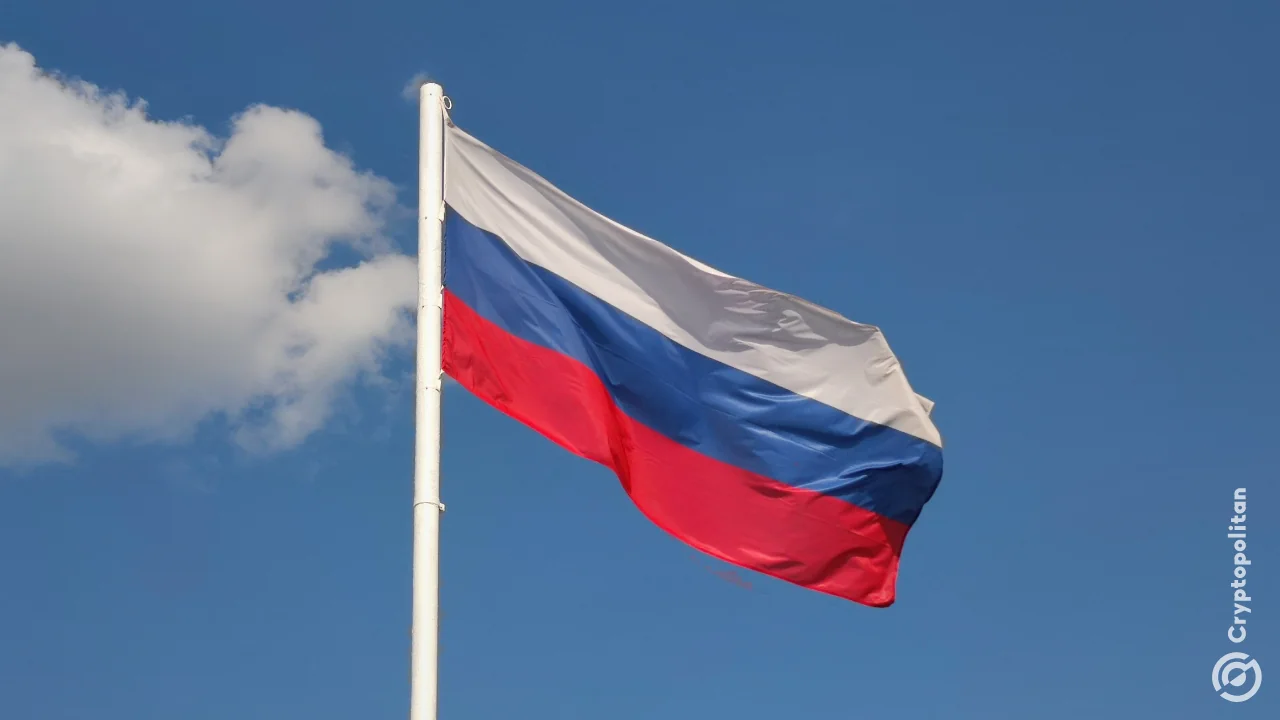
Leaked documents obtained by the Financial Times show that A7, a network linked to the Kremlin, has channeled more than $6.9 billion through shell companies and international banks using forged shipping documents. The network operated by combining traditional banking infrastructure with cryptocurrency transfers, creating interconnected financial pathways that regulators are still working to trace.
According to the Financial Times, international banks processed A7 transactions without full awareness of the network's identity, while blockchain investigators tracked digital asset flows tied to sanctioned channels. The network routed funds through correspondent banking to Tether's USDT stablecoin and to A7A5, a ruble-pegged token.
Official Sanctions Designation
The UK government designated A7 as a Kremlin-backed system designed to circumvent Western sanctions, facilitate military acquisitions, and enable oil revenue transactions. On May 26, UK Foreign Secretary Yvette Cooper announced 18 new restrictions, stating that A7 had transferred over $90 billion in the previous year, representing nearly half of Russia's annual military expenses.
The UK sanctions package also targeted a bank in Kyrgyzstan and a global cryptocurrency exchange suspected of moving over $1.5 billion to Moscow.
Network Origins and Operators
Russian defense finance institution Promsvyazbank and Moldovan businessman Ilan Shor established A7 to assist Russian companies unable to access regular international banking channels for cross-border transactions, according to findings by TRM Labs in collaboration with the Open Source Centre.
Cryptocurrency Activity and Scale
TRM found that A7's on-chain operations connected traditional finance with digital asset intermediaries globally. The company reported that A7-related on-chain volume exceeded $166 billion, though approximately $35 billion represented circular transactions between A7 and other sanctions evasion actors rather than settlements with external entities.
TRM traced cryptocurrency flows linked to A7 wallets, including more than $65 million from an address attributed to Iran's Islamic Revolutionary Guard Corps, approximately $5 million from Hamas, and at least $590,000 in proceeds from cryptocurrency exchange hacks attributed to North Korean state hackers.
The A7A5 Stablecoin
A7A5, a ruble-pegged stablecoin registered in Kyrgyzstan through Old Vector, became a focal point for regulators. According to Elliptic, A7A5 transferred $102 billion in its first year through 251,000 transactions. However, daily volume declined to an average of $24.3 million in June 2026, representing a 96% drop from July 2025 levels, primarily due to imposed sanctions restricting conversion of A7A5 into more liquid stablecoins.
Promsvyazbank chairman Pyotr Fradkov stated in August that A7A5 had recorded cumulative turnover of approximately $140 billion since launch and attracted around 15,000 repeat customers.
Regulatory Response
Regulators are increasingly scrutinizing stablecoins designed to reduce dependence on issuer-level controls like freezing or burning tokens. The Financial Action Task Force in July 2024 identified non-regulated stablecoins as a significant and emerging risk, emphasizing the need for stronger wallet screening and blockchain analytics capabilities.
The A7 case illustrates how sanctions exposure can move seamlessly between banking rails and blockchains within a single network, suggesting that regulatory vulnerabilities may lie at the intersection where traditional finance and cryptocurrency systems connect.