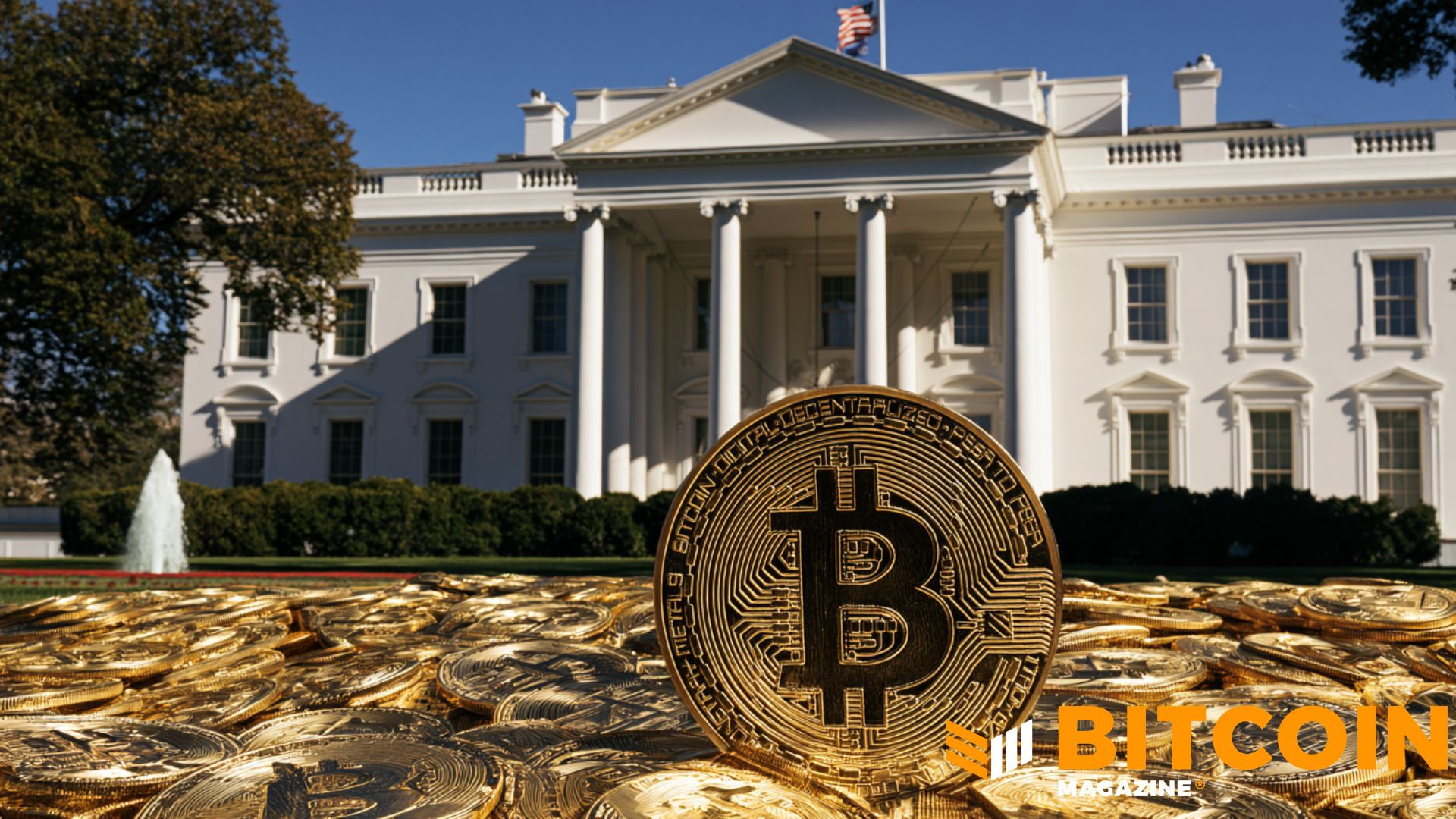
A final Labor Department rule that would shield employers who add private equity, real estate, and crypto to 401(k) plans reached the White House on Thursday. The review is the last step before the rule is published.
Employer savings plans such as 401(k)s held $15 trillion at the end of June, Investment Company Institute (ICI) data shows. Asset managers want access to that money. Three Democratic lawmakers urged in June that the rule be withdrawn.
How the Crypto 401(k) Rule’s Lawsuit Shield Works
The rule landed at the Office of Information and Regulatory Affairs (OIRA), which vets major regulations, Bloomberg Law reported. It carries out a Trump executive order.
No plan is forced to offer new assets. Instead, employers who weigh six factors get a legal shield, known as a safe harbor. The factors are performance, fees, liquidity, valuation, benchmarks, and complexity.
Courts would then presume those employers acted prudently. The proposal says lawsuit threats have narrowed the choices employers offer.
When Private Assets Could Reach 401(k) Savers
OIRA has up to 90 days to finish its review, as BeInCrypto’s guide to crypto 401(k)s explains. The draft moved faster. OIRA received it on January 13 and cleared it on March 24, federal records show.
The Labor Department proposed the rule a week later. After publication, each employer still chooses its own menu.
ICI, which backs the rule, sees target-date funds, which shift a saver’s assets with age, as the main route. In ICI’s model, a 20% private allocation lifted the median balance after 40 years by 12%.
Why Critics Want the Rule Withdrawn
A typical S&P 500 index fund in a 401(k) charges 0.03% to 0.10% a year. One crypto option cited in BeInCrypto’s guide charges about 1%.
Senators Edward Markey and Elizabeth Warren, with Rep. Stephen Lynch, said private equity has trailed stock indexes while charging more.
“DOL should not use Americans’ retirement security to prop up an industry searching for its next cash infusion,” read an exerpt in the letter.
Savers are wary too. In a National Institute on Retirement Security survey, 77% of Americans called crypto in retirement plans risky.
The published text will show whether the six-factor test survived tens of thousands of public comments. Employers, not Washington, then decide whether crypto reaches workers’ accounts.