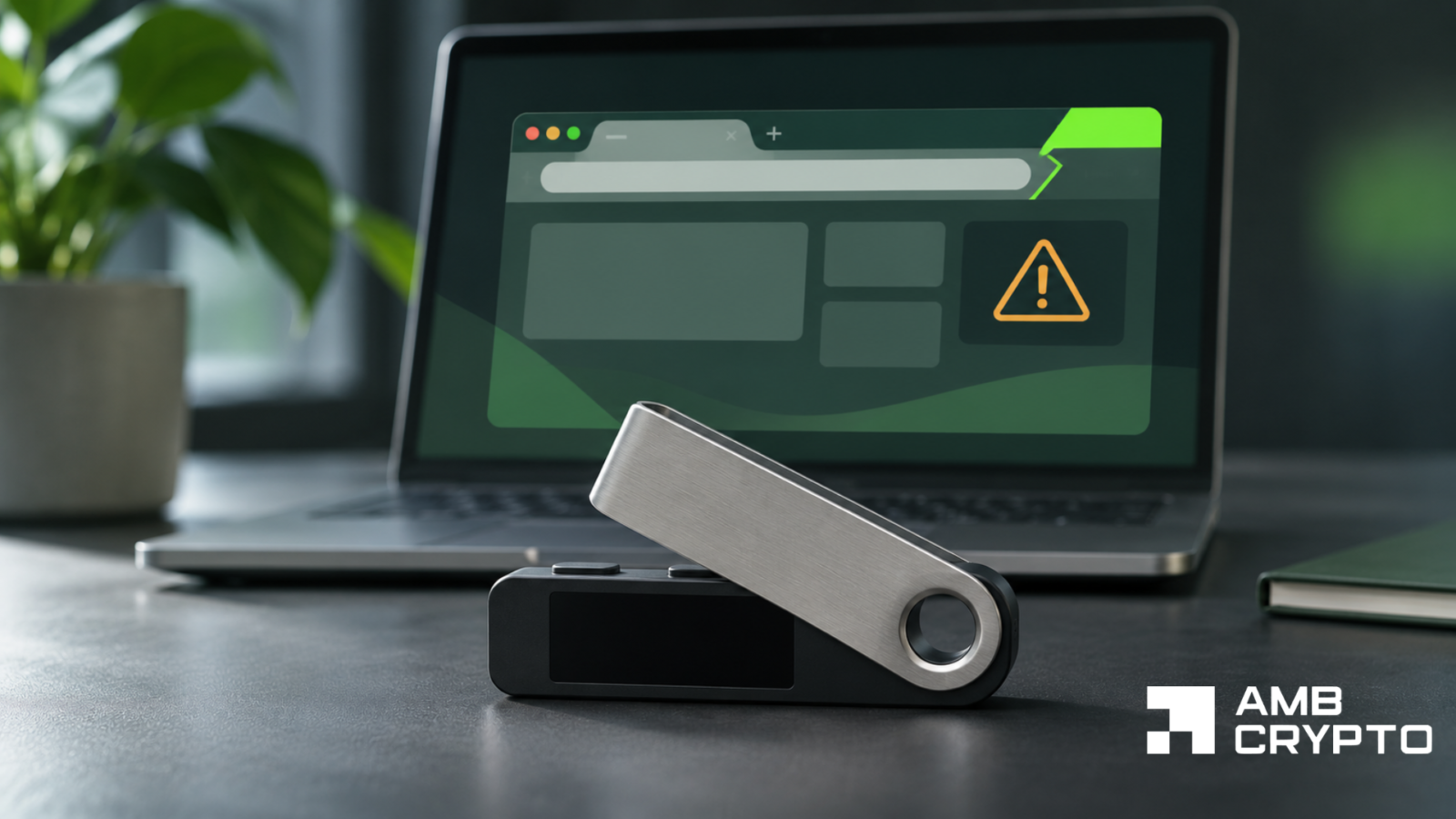
Ledger's public website was infected with malware on November 16 designed to swap cryptocurrency addresses and steal payment card details. Security researcher Scott Helme traced the malicious code to Optimizely, a third-party website testing and optimization service. Helme's team identified compromised scripts affecting 178 organizations, including Ledger, the BBC, and Zoom.
The malware functioned by replacing cryptocurrency addresses that visitors copied with addresses controlled by the attacker. If a user pasted the substituted address and approved a transaction, their funds would be sent to the attacker instead of the intended recipient.
Report URI documented the cleanup of Ledger's affected script at 20:41 UTC on November 16. The following day, Optimizely confirmed it had fixed the vulnerability and removed the injected code from affected projects.
Scope and Losses
Researchers have confirmed the malware affected Ledger's public website. Whether it compromised the company's hardware wallets or Ledger Wallet app remains unclear. The incident occurred separately from an earlier October attack in which unauthorized hardware was sold through a Ledger reseller, resulting in approximately $91 million in losses across more than 470 crypto addresses.
Report URI traced approximately $7,040 in cryptocurrency to addresses linked to the November 16 attack. Galaxy Digital's Alex Thorn analyzed the fund origins and estimated that victims sent roughly $2,300, with the remainder attributed to the attacker's own money. Thorn noted the attacker appeared careless with their on-chain operations. The exact number of Ledger visitors who suffered losses remains unknown.
Similar Attack on Polymarket
A comparable breach had affected Polymarket weeks earlier through compromised Optimizely code. The malicious script allowed the attacker to execute trades on behalf of already-signed-in users, resulting in unauthorized position sales and wallet transfers on October 29.
Polymarket suspended international trading to prevent further losses and subsequently announced $3.9 million in reimbursements, including approximately $1.2 million in compensation for losses incurred during the trading pause. By October 30, the company reported it had fully refunded 689 of 726 affected wallets.