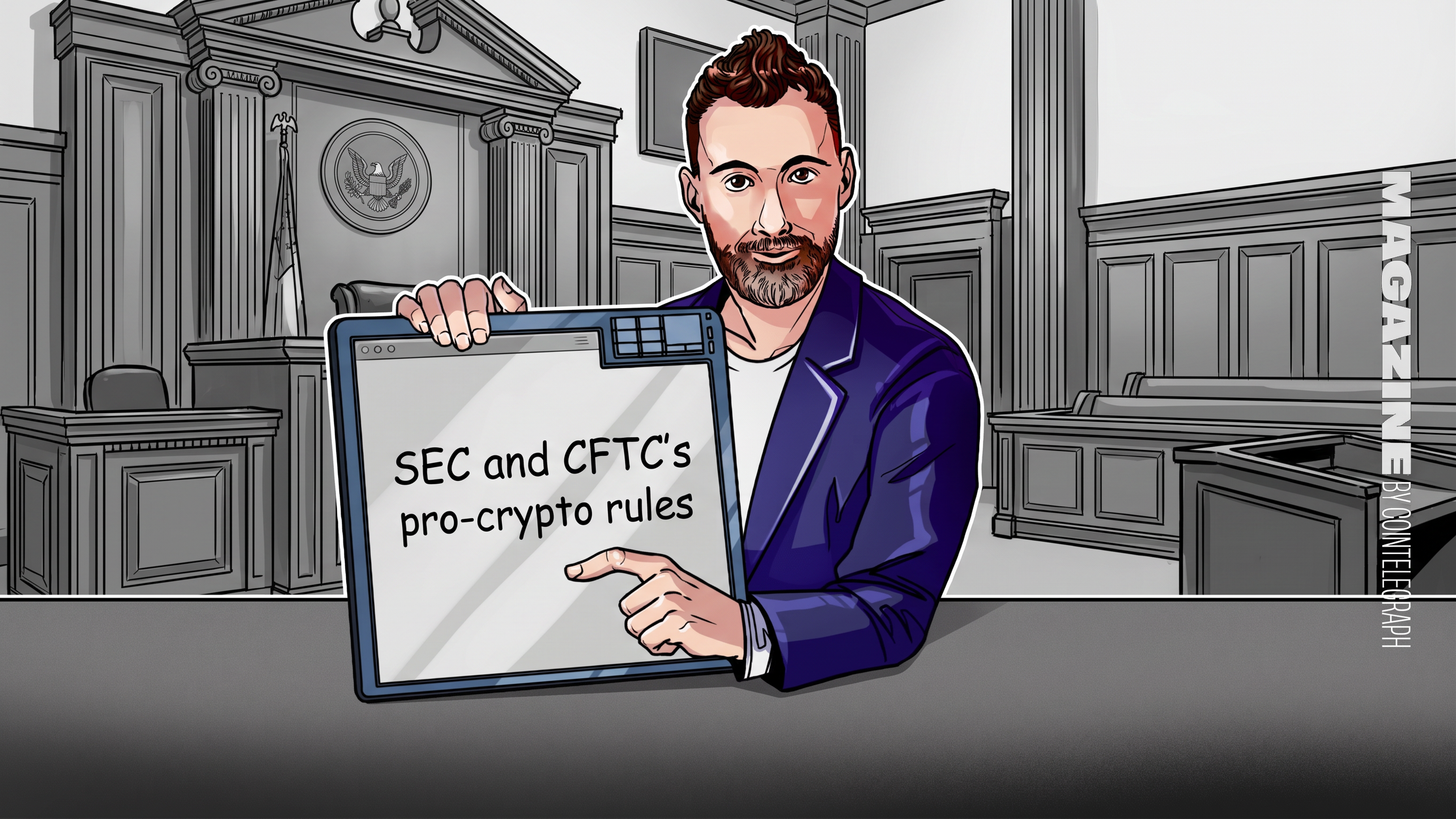
The SEC and CFTC have moved to establish new rules for cryptocurrency markets after the CLARITY cloture vote failed in the Senate. Two days after the vote, the SEC unveiled a five-year exemption permitting the issuing and trading of stock tokens, with platforms including OXK and Securitize launching tokenized versions of major stocks. The CFTC simultaneously exempted certain crypto software providers from registration requirements and proposed a new "crypto asset market" registration category.
The SEC has also issued guidance clarifying that token buybacks do not automatically classify a token as a security, and stated that liquid staking tokens are not securities. Additionally, the agency proposed new custody rules for crypto assets.
Industry observers have raised concerns about the longevity of these regulatory measures. TD Cowen cautioned that agency rules "are the easiest to rescind," noting that Trump-appointed commissioners recently eliminated policies from the Gary Gensler era. A 2024 Supreme Court decision has also made it easier for courts to overturn agency rules.
Legal Framework and Court Challenges
According to Yuriy Brisov, a legal expert at D&A Partners, the SEC and CFTC possess legitimate authority to create rules under legislation like the Exchange Act of 1934. The SEC was designed with rulemaking power specifically to accommodate new technologies and market developments.
The 2024 Supreme Court decision overturning Chevron deference has altered the legal landscape. Under the previous Chevron standard, courts deferred to agency interpretations of ambiguous laws. The new standard requires courts to apply independent judgment when evaluating agency rules.
However, reversing established rules carries legal hurdles. Brisov explained that agencies or courts seeking to overturn regulations must demonstrate lack of adequate research, undue business burden, or market harm. They cannot simply reject rules they dislike—they must provide transparent, evidence-based reasoning through what legal professionals call the IRAC framework: issue, rule, analysis, and conclusion.
Protections for Established Infrastructure
If businesses invest significantly in infrastructure based on current SEC and CFTC rules, future regulators cannot unilaterally reverse those rules without considering the market impact. Any reversal would require agencies to demonstrate that existing regulations harm the U.S. market and lack sufficient research foundation.
A community bank group is currently suing the Office of the Comptroller of the Currency over crypto trust bank charters, testing the durability of regulatory authority in court.
Guidance Versus Regulation
The SEC's FAQ clarifying that token buybacks do not create securities status differs from formal regulation. FAQs function as internal guidance documents that agencies can revise frequently and lack binding authority outside the agency. When the SEC rewrote its FAQ after concerns were raised about potential loopholes, this reflected the non-binding nature of such guidance.