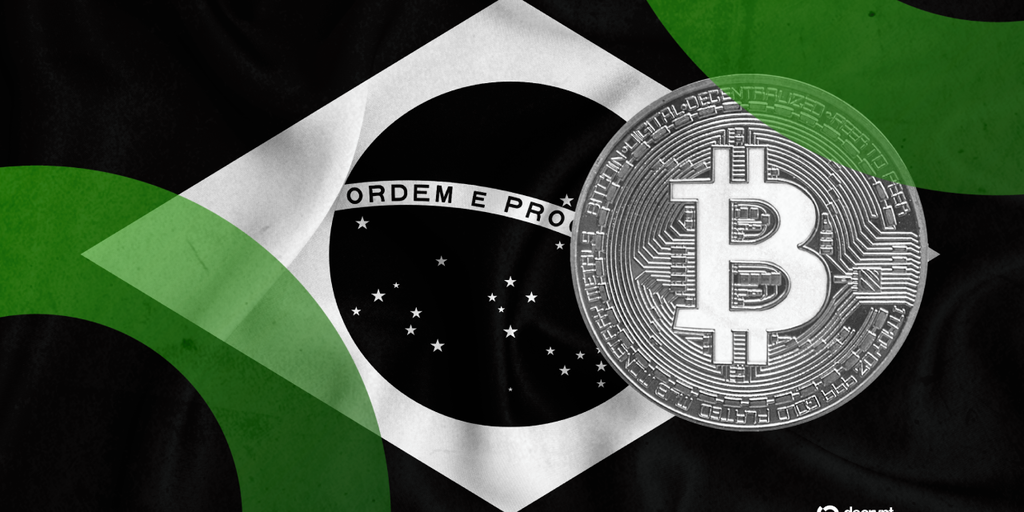
Mercado Bitcoin, Brazil's largest cryptocurrency exchange, said it will cover losses from a security breach that hit its systems on November 2, and that customers will not bear the cost. The exchange has not disclosed how attackers gained access.
In a Portuguese-language statement on X, Mercado Bitcoin said it identified and quickly contained a security incident in one of its systems early that morning. As a preventive measure, deposits and withdrawals were temporarily suspended. The exchange said no customer lost money and no data leaked.
Differing loss estimates
The exchange estimates the value of the assets involved at about $38 million. It said that after quick action with crypto community and strategic partners, including Tether, Circle, Paxos, BRL1 and Chainalysis, it had already blocked $11 million. Mercado Bitcoin has not said whether its $38 million figure includes the frozen amount.
Other estimates are higher. Security firm Hypernative flagged more than $40 million in suspicious transfers across at least 10 blockchains, including Bitcoin, Ethereum, Solana and Tron. Blockchain analysts at Arkham traced at least $46 million, while Chainalysis put the figure at about $49 million, with nearly $10 million frozen.
Tether, which issues the USDT stablecoin, froze more than $4.5 million in USDT tied to the incident, CEO Paolo Ardoino said on X. A freeze prevents the tokens from moving but does not return them to their owner.
Withdrawals remain suspended
Deposits and withdrawals remain suspended with no restart date. The exchange said it will post updates on X and resume service once full security is restored.
The incident comes days after hackers drained more than $6 billion from Binance, the world's largest exchange, on October 29. The FBI blamed North Korea's TraderTraitor group for that attack. Mercado Bitcoin has not linked its incident to the Binance breach.
Binance CEO Richard Teng also pledged that the exchange would absorb the financial impact of the stolen funds rather than its users, adding that about 95% of the affected assets had been replenished. Neither promise can be independently verified, as exchanges are not required to show customers their books.