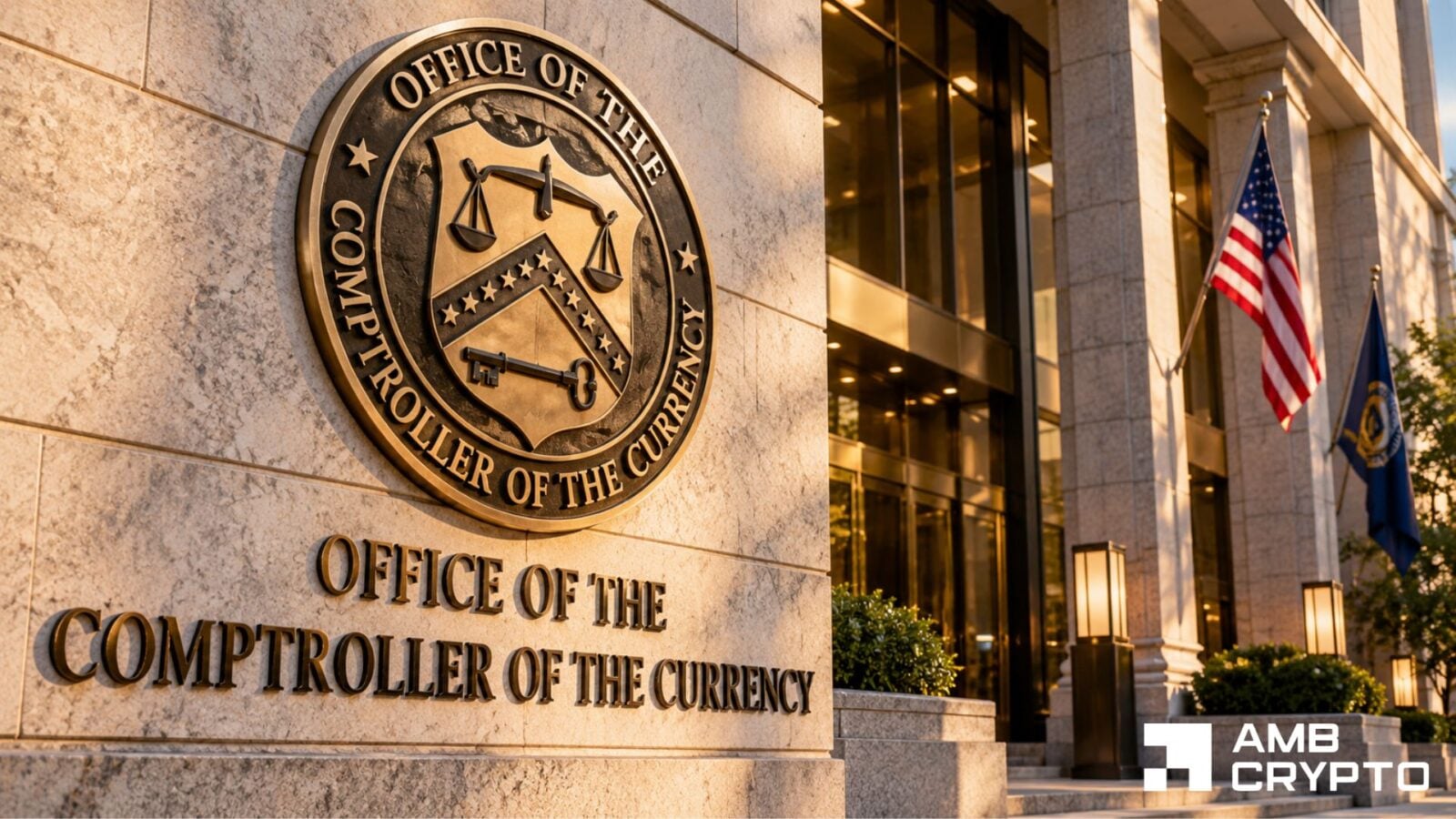
Nine of the largest banks in the United States had policies that denied, restricted, or terminated service to customers based on their political or religious beliefs and lawful businesses, according to the Office of the Comptroller of the Currency (OCC).
The affected banks are JPMorgan Chase Bank, Bank of America, Citibank, Wells Fargo Bank, U.S. Bank, Capital One, PNC Bank, TD Bank, and BMO Bank. All maintained such policies during the period from 2020 through September 2025.
The OCC found that broad reputation risk policies lacking clear standards disadvantaged customers based on their political, religious, or social views. The regulator also identified restrictions on entire industries, including oil and gas exploration, coal mining, firearms, detention facilities, tobacco, and digital assets.
In specific instances cited in the report, a bank-owned payment processor closed the account of a merchant selling political merchandise in February 2021. In another case, a bank declined to serve a public education organization whose political arm endorsed only Democratic candidates.
The investigation reviewed approximately 100,000 complaints and roughly 50,000 documents totaling approximately 420,000 pages from the banks.
Comptroller of the Currency Jonathan V. Gould stated: "Today's report provides irrefutable evidence that the nation's largest banks have denied, debanked and discriminated against customers and lawful businesses."
Gould added that despite certain efforts by the largest banks to limit such practices, he is not confident those efforts will be sufficient. The OCC indicated it will assess further changes to the regulatory and supervisory framework applicable to the largest banks to reduce the likelihood of these practices recurring.