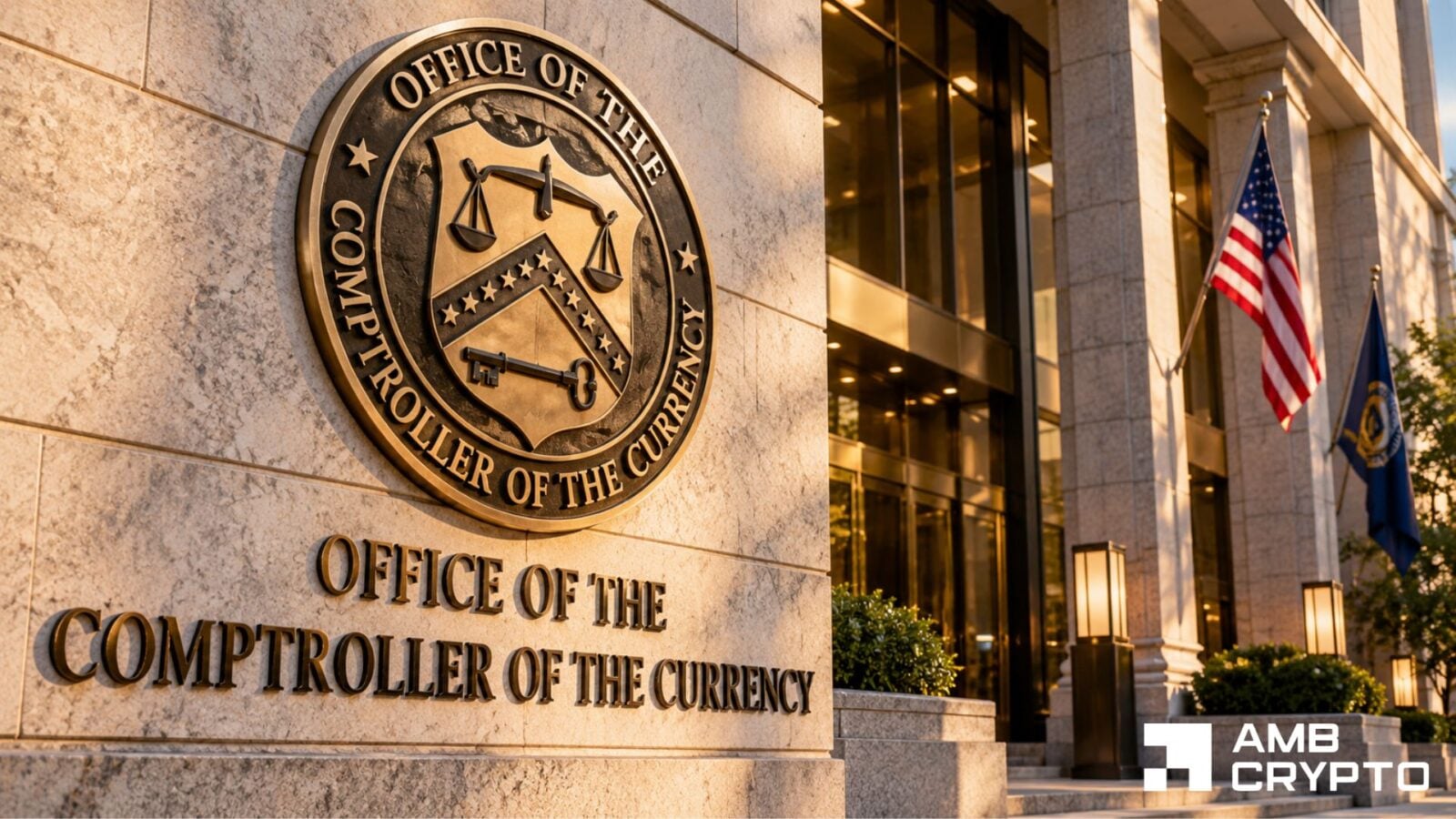
The Office of the Comptroller of Currency (OCC) released a report confirming that nine of the largest U.S. banks restricted access to banking services for cryptocurrency firms and founders between 2020 and 2025. The investigation reviewed 100,000 debanking complaints across the institutions.
Banks flagged in the report include JPMorgan Chase, Bank of America, and Citibank. According to the OCC, these institutions had policies that denied or limited financial services access based on political or religious beliefs, affiliations, or involvement in lawful business activities rather than objective financial risk assessments.
The debanking affected not only the crypto industry but five other sectors as well. OCC Comptroller Jonathan Gould stated: "Access to banking should be based on financial risk, not political beliefs or whether a lawful industry is out of favor."
Regulatory Response
In August, the OCC and FDIC finalized a rule to define "unsafe practices" and address a loophole banks had used to enforce arbitrary debanking decisions. The regulators said the move would return banks to "risk-based supervision" to prevent future restrictions unrelated to financial risk.
President Donald Trump issued an executive order to banking regulators to investigate the debanking claims. The OCC investigation extended over a year before releasing its findings.
Industry Reaction
Nic Carter, founder of VC firm Castle Island Ventures, confirmed the report's findings: "We weren't imagining it. OCP2.0 was real." Bitwise CIO Matt Hougan characterized the debanking policy as "disgraceful and dangerous."
Ongoing Tensions
Some crypto firms have gained banking access, including Ripple and Circle, which obtained trust bank charter licenses for stablecoin and custody operations. However, banking groups and Senate Democrats have opposed this trend, citing financial stability concerns. A banking group has sued the OCC over trust bank charter approvals.






