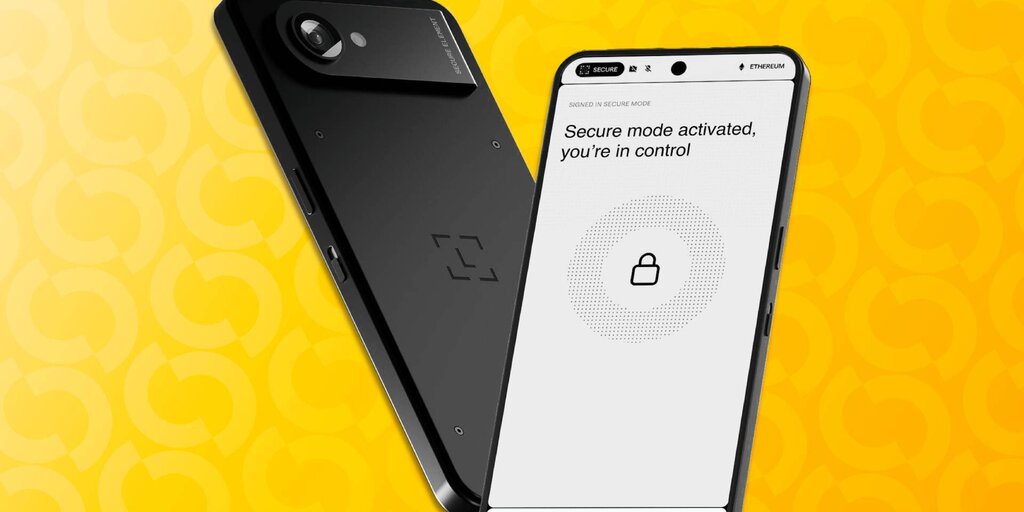
The wallet a player needs for online gambling depends primarily on the type of site rather than personal preference, since each platform determines which payment routes it accepts.
Licensed casinos operate under state regulatory frameworks that specify approved funding methods. Michigan's regulations, for example, permit credit or debit cards, ACH transfers, wire transfers, and reloadable prepaid cards that have been verified as belonging to the player. Crypto wallets are not included on these lists. Players using licensed sites typically need only existing banking tools—a checking account for ACH and wire transfers, or a debit card for card-based payments.
Identity verification requirements are consistent across licensed platforms. Operators must record a legal name, date of birth, home address, and at least the final four digits of a Social Security number, then verify age and identity before processing payments.
Digital Payment Wrappers and Traditional Cards
Apple Pay and Google Pay function as payment wrappers rather than true wallets. Both services draw on existing cards already stored in a smartphone. Apple Pay creates a device-specific account number that never sits on Apple's servers, and each transaction carries a unique security code. Google's version transitioned to Google Wallet on June 4, 2024, in the United States. In both cases, funds remain with the card issuer rather than moving to a phone-based balance.
Card issuers retain control over transaction terms. Some classify casino chip purchases as cash advances, which may incur transaction fees and higher interest rates than standard purchases. Disputes flow through the issuer, and credit and debit cards carry legal protections under FTC guidelines if issues arise.
PayPal and Bank Transfers
PayPal requires account holders to open an account, and the service's Acceptable Use Policy requires pre-approval from PayPal for merchants accepting casino payments. However, PayPal's Purchase Protection specifically excludes transactions in gaming and activities with entry fees and prizes, meaning refund coverage does not apply to casino payments.
Direct bank transfers via ACH often accomplish the same goal with fewer intermediaries. The ACH network settles approximately 80 percent of payments in one banking day or less, and Regulation E limits consumer liability for unauthorized electronic transfers.
Sweepstakes Sites and Delayed Payment
Sweepstakes casinos operate on a different model. Players receive free coins at signup and begin play immediately without providing payment information. Gold Coins exist only for play and cannot be redeemed. Spree Coins can be redeemed, but players cannot purchase them directly; instead, promotions distribute them through daily bonuses or postal requests.
New accounts typically receive thousands of free coins with no purchase required. Players can fund accounts later if they choose. When redemption occurs, cash is sent solely to a bank account in the player's name or by check at the operator's discretion. According to the FDIC's 2023 household survey, only 4.2 percent of U.S. households lacked a checking or savings account.
Crypto-Only Platforms and Self-Custody Risk
Offshore sites accepting only cryptocurrency require players to open a crypto wallet. Two custody models exist: hosted wallets, where a third party controls the funds, and self-custody wallets, where the user controls them.
Hosted wallets through exchanges involve identity verification and add an extra step—funds must transfer from the exchange to the casino. If the exchange fails or is hacked, the FTC notes that the government has no obligation to provide coverage.
Self-custody wallets present a different set of risks. Setup typically generates a 12- to 24-word recovery phrase from a fixed list of 2,048 words. Whoever obtains these words can rebuild the wallet. If lost, recovery is impossible, and the FTC warns that holders have no recourse to recover funds.
Speed, Cost, and Irreversible Transactions
Bitcoin confirmations arrive approximately every 10 minutes. Bitcoin.org recommends six confirmations for high-value transfers, roughly one hour at typical network speeds. Fees below network priority can delay the first confirmation significantly.
Crypto transactions cannot be reversed. Bitcoin.org and the FTC both confirm that payments can only be refunded by the recipient. This finality creates substantial risk when entering wallet addresses.
Research from Carnegie Mellon presented at USENIX Security 2025 documented attackers inserting lookalike cryptocurrency addresses into transaction histories. The team counted 270 million attempts targeting 17 million victims, with losses exceeding $83.8 million. In one documented case, a victim lost more than $100,000 in USDT after copying a lookalike address from their transaction history. The attacker converted the tokens to ETH within 72 seconds.
Licensed casinos maintain banks, card issuers, or payment companies between players and errors, with state regulators overseeing the platform. Crypto-only sites eliminate these layers and shift custody, address verification, and error costs entirely to the player.