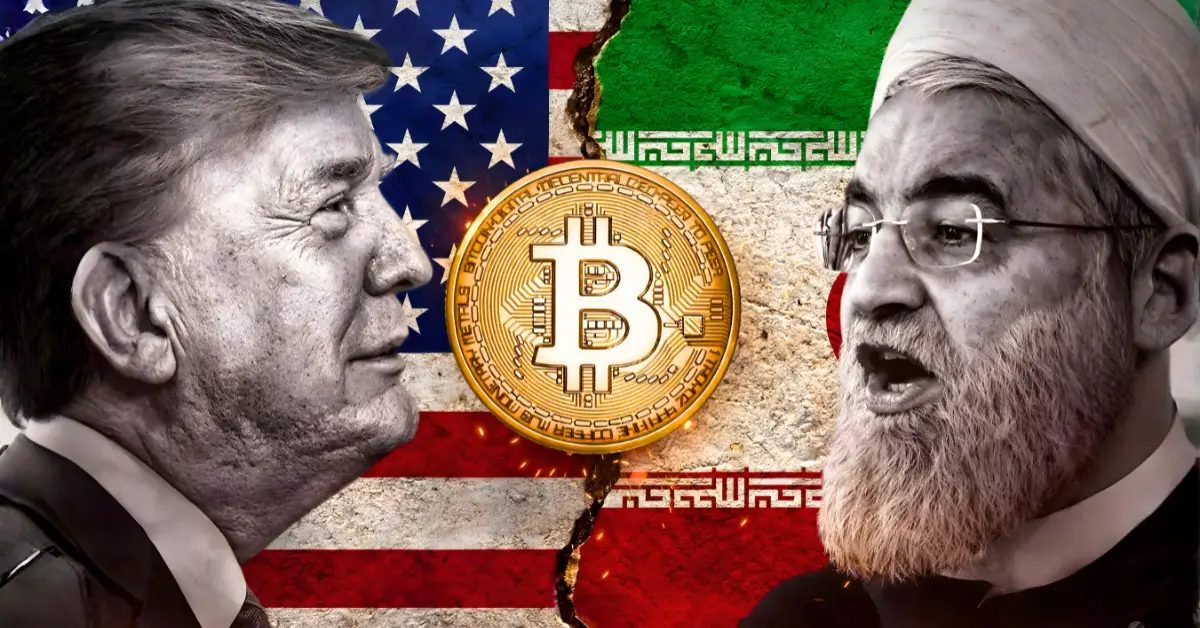
Qatar has presented Iran with a new peace proposal aimed at ending the war involving the United States and Israel, according to a report. The draft was delivered on Sunday as mediators worked to prevent another round of attacks. The full text of the proposal has not been made public.
The initiative raises hopes for a deal, but disagreements could still block an agreement as tensions rise again. Oil prices have moved above $115 a barrel, and the U.S. midterm elections are approaching on November 3, adding to the stakes for global markets and politics.
Key Issues in Negotiations
Negotiators face several major issues, including reopening the Strait of Hormuz, ending military operations, easing U.S. sanctions, releasing frozen Iranian assets, and addressing Iran’s nuclear program. Iran has also demanded an end to the war in Lebanon, including the withdrawal of Israeli forces from southern Lebanese territory.
Obstacles to a Deal
Two major obstacles could prevent an agreement. First, U.S. President Donald Trump has warned Iran against delaying a deal until after the November 3 midterm elections. Trump has also accused Iran of “doing everything they can to drive up the price of Oil before the U.S. Midterm Election” and warned that the U.S. could take action against Iran if it refuses to reach a peace deal by the time the midterms take place. In response, Iran has threatened U.S. bases if tensions over shipping through the Strait of Hormuz continue.
Second, Israeli Prime Minister Benjamin Netanyahu has described the current situation as a historic opportunity to eliminate the Iranian threat. His position could complicate Qatar’s efforts to secure the peace deal.
Iran’s Response Awaited
Iran has not officially accepted or rejected the proposal and is expected to deliver its response by the end of the week. Reaching an agreement will not be easy.
The Strait of Hormuz is a major route for global oil shipments, making its reopening a key factor for energy markets. Brent crude has reportedly climbed above $115 a barrel, increasing concerns about higher energy costs and inflation. This could put pressure on riskier assets, including Bitcoin, which is currently trading around $81,230.