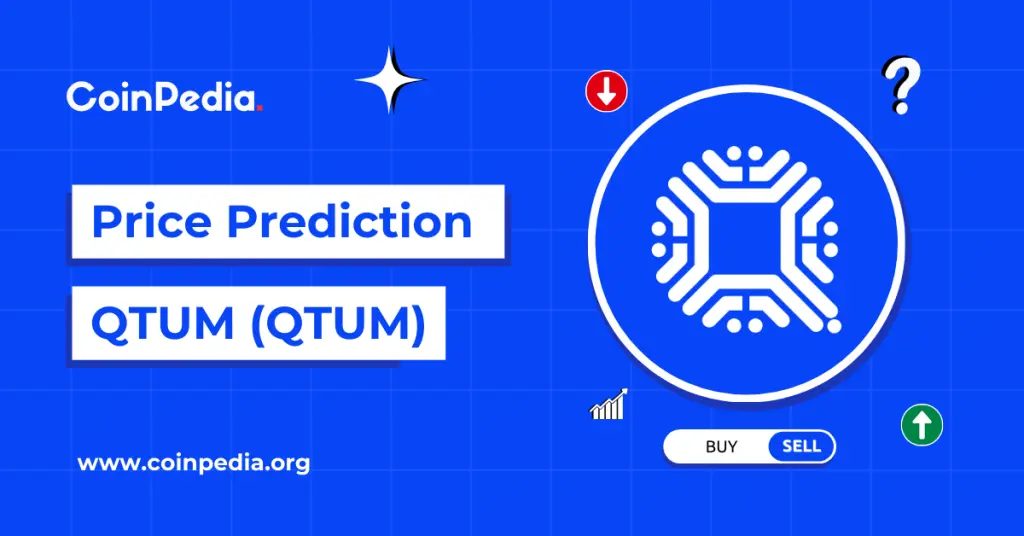
Qtum is a decentralized blockchain platform that combines Bitcoin’s UTXO transaction model with the Ethereum Virtual Machine. This hybrid design allows the network to deliver Bitcoin-style security while supporting smart contracts and decentralized applications through an energy-efficient Proof-of-Stake consensus mechanism.
Despite its technical foundations, the platform has faced challenges maintaining attention in a competitive Layer-1 market. Trading significantly below its all-time high, the asset has recently shown signs of technical recovery after breaking above falling range resistance near the $0.80 level, supported by increased buying volume.
Network Developments and Upgrades
Project milestones focus on improving network performance, security, and real-world utility. The Core v30.2 upgrade was released to enhance network operations, while additional developments planned for late 2026 include a native USDC bridge and the QBRC-20 standard, which aims to allow users to create digital assets directly on the network.
Additionally, Qtum is expanding its artificial intelligence features, enabling users to pay for AI services using QTUM. Future roadmap elements also outline expanded MetaMask Snap integrations to improve cross-chain access and DeFi ecosystem connectivity.
Long-Term Outlook
Analysts and market projections point to various potential trading ranges depending on ecosystem growth, adoption rates, and broader crypto market trends:
- 2026: Projected potential range between a low of $0.56 and a high of $1.57.
- 2027: Projected potential range between $0.82 and $3.80, aided by audited bridge launches and standard expansions.
- 2028: Projected potential range between $1.63 and $7.51, supported by cross-chain access improvements.
- 2029: Projected potential range between $3.26 and $10.20.
- 2030: Projected potential range between $4.38 and $15.73, assuming mature decentralized AI integration and steady network usage.
Market analysts note that the asset's long-term viability will depend heavily on sustained developer engagement, enterprise adoption, and the successful execution of planned network upgrades rather than short-term market hype.