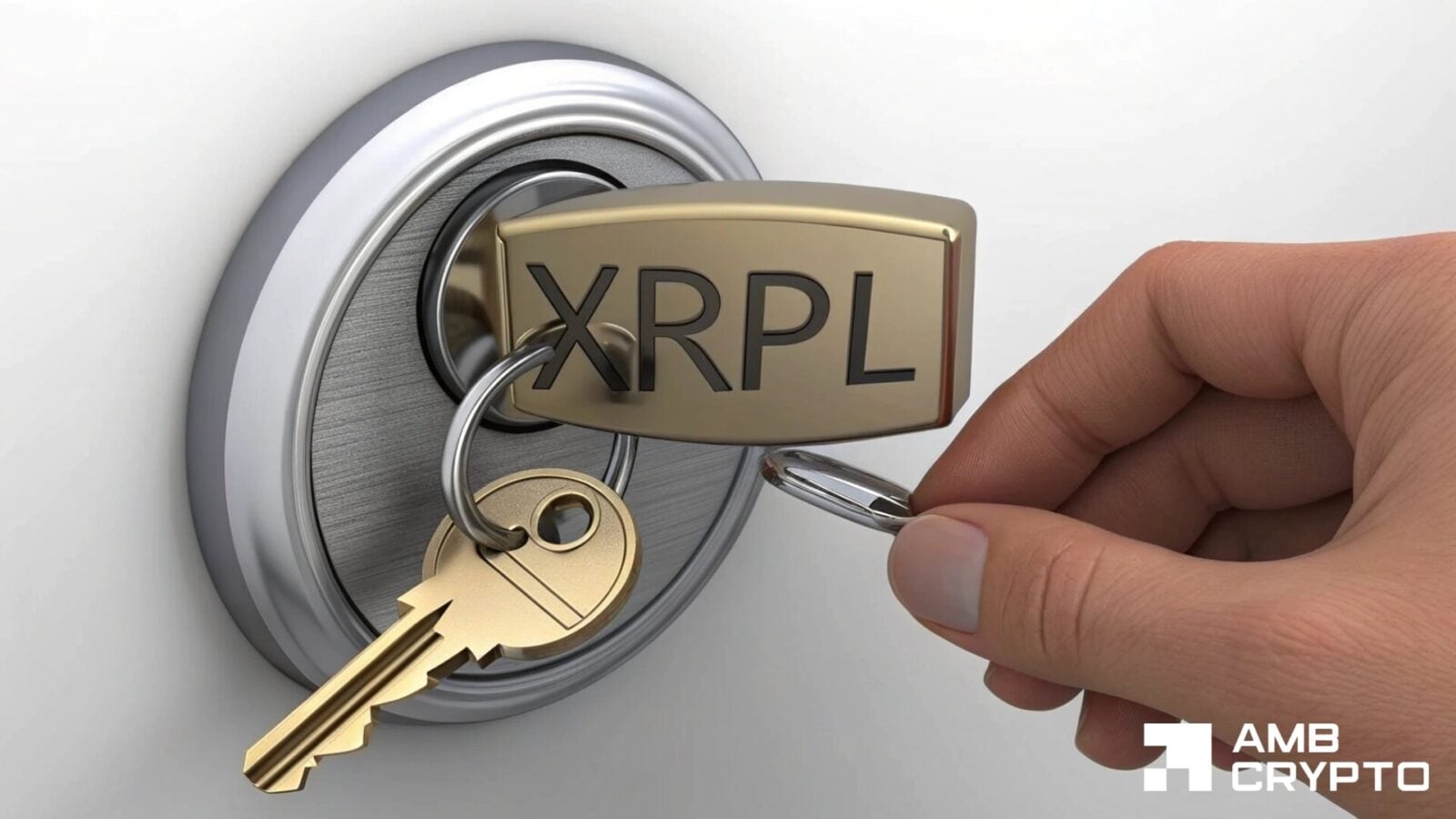
As the 2026 crypto cycle highlights the quantum-proofing of layer-1 networks, Ripple is working to make the XRP Ledger (XRPL) quantum-resistant. Following networks like Solana, Ethereum, and Bitcoin, Ripple is bringing renewed attention to XRPL's blockchain security.
Through Ripple's UBRI, post-quantum cryptography has been prioritized as a key research area across more than 60 universities. The XRPL features a proposed pathway for quantum-resistant signatures with a targeted timeline to be fully post-quantum by 2028. Because the quantum computing era is forecasted to arrive by the 2030s, the network aims to prepare years ahead of "Q-Day."
This security initiative coincides with growing network activity. DeFiLlama data indicates that XRPL liquidity recently reached a new record, with its stablecoin market capitalization hitting an all-time high of $1.13 billion. The platform's native stablecoin, RLUSD, led this growth, expanding its market cap by over 18% in a single month.
On-chain and market indicators also reflect broader momentum. According to SoSoValue data, XRP exchange-traded funds recorded over $110 million in weekly inflows, marking the strongest weekly inflow of the 2026 cycle. Additionally, XRP closed out August with an ROI of over 30%, representing its best monthly performance since the start of the Q3 2025 cycle.
Looking ahead, market participants are also monitoring the upcoming vote on the CLARITY Act, which could offer a more favorable regulatory environment for major layer-1 networks and the broader XRPL ecosystem.