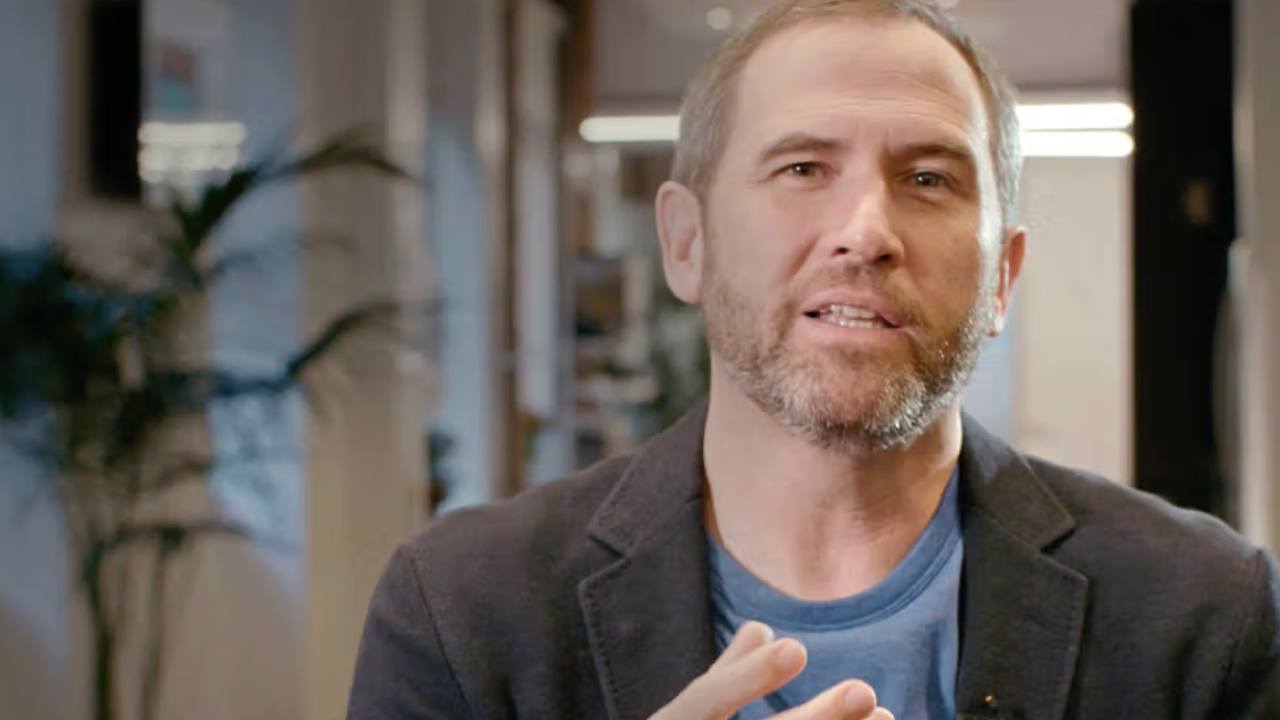
Ripple CEO Brad Garlinghouse disclosed a substantial personal stake in XRP during a January 2026 conversation at Faena Rose, stating he owns "a lot of XRP" and is "very bullish" on the token. His investment thesis combines personal conviction with Ripple's broader business strategy focused on financial infrastructure and institutional adoption.
Garlinghouse linked his XRP position directly to Ripple's execution and the growing participation of financial institutions in its network. He characterized the XRP Ledger as offering distinct advantages, including transaction settlement in three to five seconds, low costs, and scalability that position it for long-term success.
Broader Crypto Perspective
Beyond XRP, Garlinghouse expressed a nuanced view of the cryptocurrency market. He described Bitcoin as a "fabulous store of value" that "owns that space as digital gold" and disclosed holdings in Ether and Solana, explicitly rejecting XRP maximalism. His perspective framed different cryptocurrencies as serving distinct use cases rather than functioning as interchangeable investments.
XRP's Practical Applications Expand
Throughout 2026, Garlinghouse emphasized XRP's utility in payments and corporate treasury management. In February, he identified XRP as Ripple's "North Star" and connected the company's various business divisions—payments, prime brokerage, treasury, custody, and its stablecoin Ripple USD (RLUSD)—to efforts increasing liquidity and trust around XRP.
Independent businesses have adopted XRP for treasury and payroll purposes. Anodos Finance reported purchasing XRP for its treasury and paying employees with the token since 2023, demonstrating operational use beyond trading.
Infrastructure Development
Ripple introduced digital asset accounts and unified treasury capabilities in April, enabling institutions to manage XRP and RLUSD alongside traditional cash with real-time valuations and automated transaction records. In October, Evernorth completed a business combination that included approximately 261.3 million XRP contributed as treasury holdings in exchange for equity, further establishing XRP's role in corporate financial management.
Ripple CTO Emeritus David Schwartz identified a range of potential XRP applications including payments, tokenization, interoperability, decentralized finance, and artificial intelligence, reflecting continued ecosystem development.