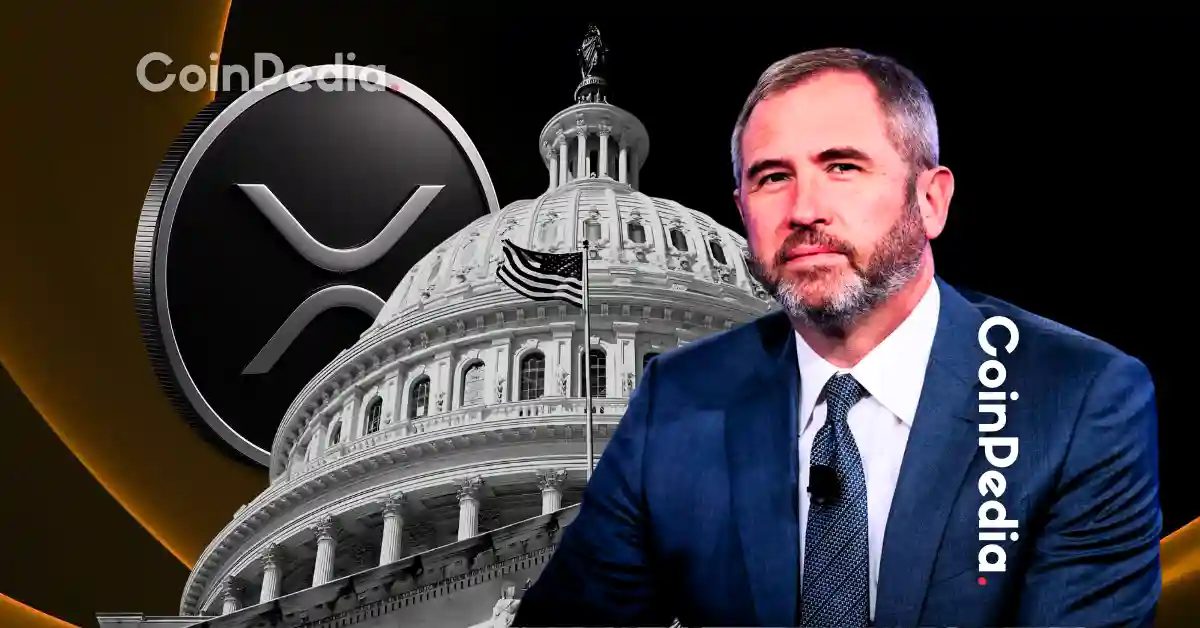
Ripple CEO Brad Garlinghouse pushed back on characterizations of the CLARITY Act as a compromise, stating that policymakers made significant trades to advance the legislation.
"This bill isn't just a compromise, it's the product of real, substantive trades policymakers made to get here," Garlinghouse wrote, emphasizing that those trades "weren't small." He called on lawmakers to vote in favor, noting that "the world is watching and voters are watching."
Treasury Secretary's Position
Garlinghouse's comments followed Treasury Secretary Scott Bessent's public reaffirmation of support for the CLARITY Act. Bessent framed the bill as essential to the United States winning the global technology race and tied it to the GENIUS Act as part of a broader effort to build domestic stablecoin infrastructure.
Bessent highlighted that the final draft grants the Treasury Secretary authority to intervene if stablecoins harm community banks through deposit flight. He stated: "If stablecoins cause harm to community banks, I will not hesitate to use these tools to ensure they remain fully protected."
Outstanding Policy Disputes
Three major issues remain unresolved in the bill's negotiations: stablecoin yield, illicit finance, and ethics provisions.
On stablecoin yield, Senators Tillis and Alsobrooks reached an agreement in principle that would bar yield on idle stablecoin holdings while preserving rewards tied to actual payment activity.
The illicit finance provision centers on whether mixers, tumblers, and portions of decentralized finance face adequate anti-money-laundering obligations. This is described as a genuine policy dispute that Congress could typically resolve through definitions and negotiated compliance thresholds.
The ethics provision remains the most contentious issue. The dispute focuses on whether restrictions reach indirect profit through ownership stakes, licensing deals, revenue-sharing arrangements, or family-controlled entities, and which body enforces such restrictions.
Ethics Enforcement Debate
Current Republican language bars officials and spouses from issuing or sponsoring digital assets. However, Democratic critics argue the provision does not require divestiture from existing crypto holdings and leaves enforcement primarily with the Justice Department. Senator Kirsten Gillibrand has stated she will not support the bill unless enforcement authority is removed from the president's Department of Justice.
Sunset Clause Concerns
The ethics provision is set to expire at noon on January 20, 2029, coinciding with the end of the current presidential term. Republicans, including Senator Cynthia Lummis, characterize this as the president voluntarily accepting a personal restriction for the duration of the term. Democrats interpret the same language as evidence the bill addresses only the current president rather than establishing permanent ethics standards.
Critics have raised concerns that without a post-government cooling-off period, an officeholder could develop business relationships and opportunities during their tenure and monetize them after the restriction lapses.