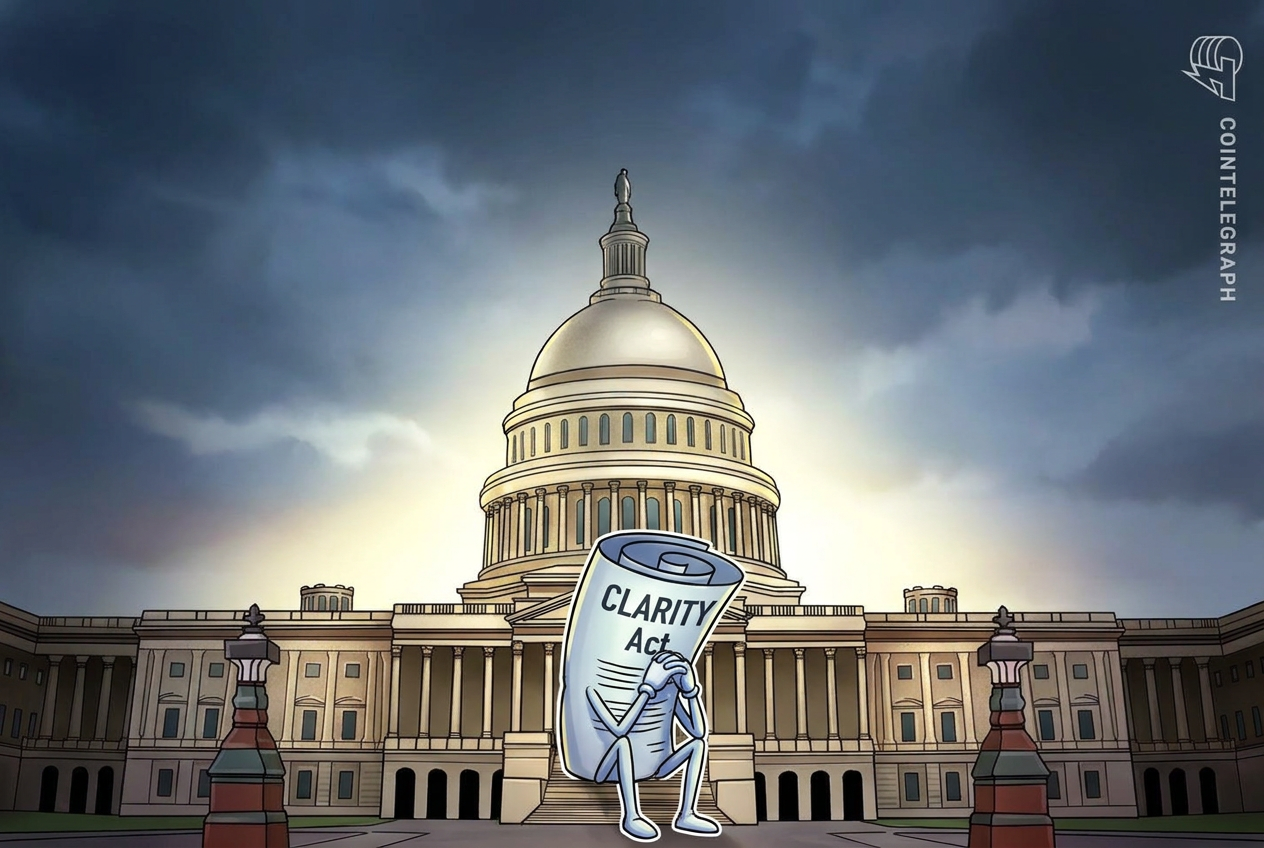
The Senate rejected the Digital Asset Market Clarity Act on September 15 in a 49-50 cloture vote, marking a significant setback for legislation backed by Ripple and much of the crypto industry. The bill, also known as H.R. 3633, aimed to establish a federal framework for digital asset markets.
Despite the defeat, Ripple CEO Brad Garlinghouse said there remains reason for optimism about cryptocurrency regulation in the United States. He acknowledged the disappointment of the failed vote but shifted focus toward regulatory agencies as the next venue for establishing clearer rules.
Regulatory Agencies Take Center Stage
Garlinghouse emphasized that the Securities and Exchange Commission under Chair Atkins and the Commodity Futures Trading Commission under Chair Selig will continue developing rules to address gaps left by the failed legislation. He stated that Ripple would remain actively engaged in the rulemaking process at both agencies.
The regulatory approach affects how cryptocurrencies and blockchain-based financial systems are treated across U.S. markets, potentially shaping rules for multiple assets, networks, and financial applications.
Business Operations Continue
The Ripple CEO stressed that the legislative setback does not affect the company's commercial operations or strategic direction. He pointed to strong demand from traditional finance and the digital asset ecosystem, noting that the company's global footprint and customer base remain unchanged.
Ripple has been developing Ripple USD (RLUSD) for institutional use and has proposed an XRPL lending protocol to support institutional onchain credit, expanding the network's applications beyond payments and settlement.