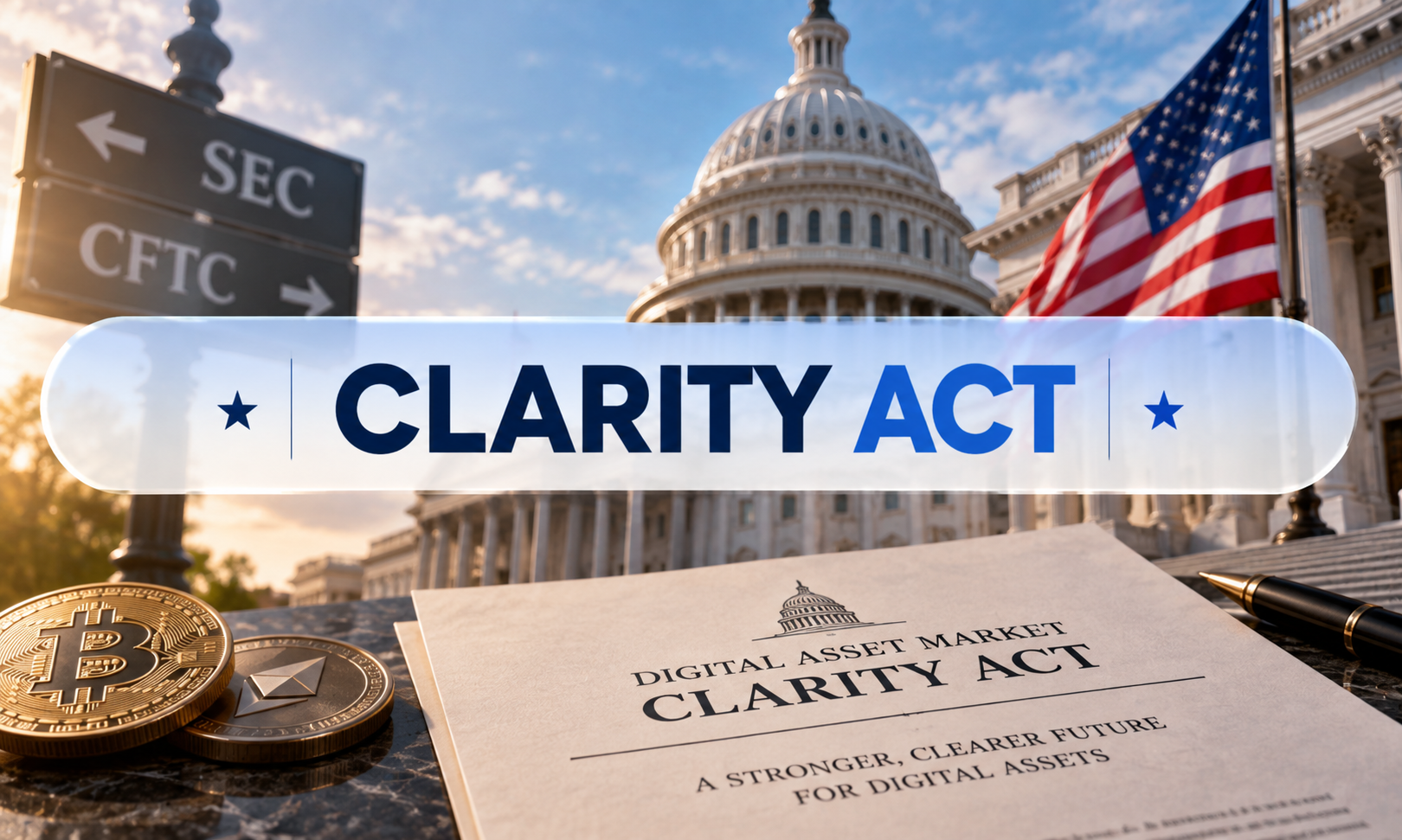
The crypto industry needs to present a more coordinated political message after the CLARITY Act failed to advance in the Senate, according to Ripple Chief Legal Officer Stuart Alderoty. On September 17, he argued that internal divisions within the crypto sector, rather than opposition to digital assets themselves, contributed to the legislative defeat.
The Senate voted 49-50 on September 15 to reject cloture on the motion to proceed to H.R. 3633, the CLARITY Act. The measure required three-fifths support to advance and would have established clearer federal market structure rules for cryptocurrency trading and operations.
Alderoty's Call for Unified Advocacy
Alderoty, who also serves as president of the Ripple-funded National Cryptocurrency Association, characterized the outcome as a political setback rather than a fundamental rejection of cryptocurrency adoption. "Politics beat policy this week," he wrote on X, noting that crypto ownership remains widespread across the United States.
He criticized the fragmented approach to industry messaging, stating: "Our industry has too many voices pushing too many messages. That's on us to fix. It's time to speak with one voice through one megaphone."
According to a 2026 National Cryptocurrency Association survey conducted with The Harris Poll, more than 67 million U.S. adults own cryptocurrency. The survey also found that 40 percent of holders use crypto for shopping and payments, while 41 percent send it to friends and family.
Regulatory Framework Remains Contested
Ripple has maintained that federal market structure legislation remains necessary to establish uniform standards for digital asset businesses and consumers. The company stated that the failed vote represents a missed opportunity to create consistent regulatory rules across U.S. markets.
Ripple CEO Brad Garlinghouse publicly supported the legislation before the Senate vote. The revised version under consideration incorporated more than 100 changes made during negotiations.
Legislative Efforts Continue
The defeat did not close the door on future action. Seven Democratic senators subsequently pledged to continue bipartisan negotiations on the CLARITY Act, suggesting the measure could be revisited after addressing outstanding disagreements.
Alderoty's remarks shift focus from the bill's specific provisions toward how the crypto sector organizes its broader advocacy efforts. The debate over federal securities and commodities rules for digital assets continues among companies, trade groups, lawmakers, and regulators.