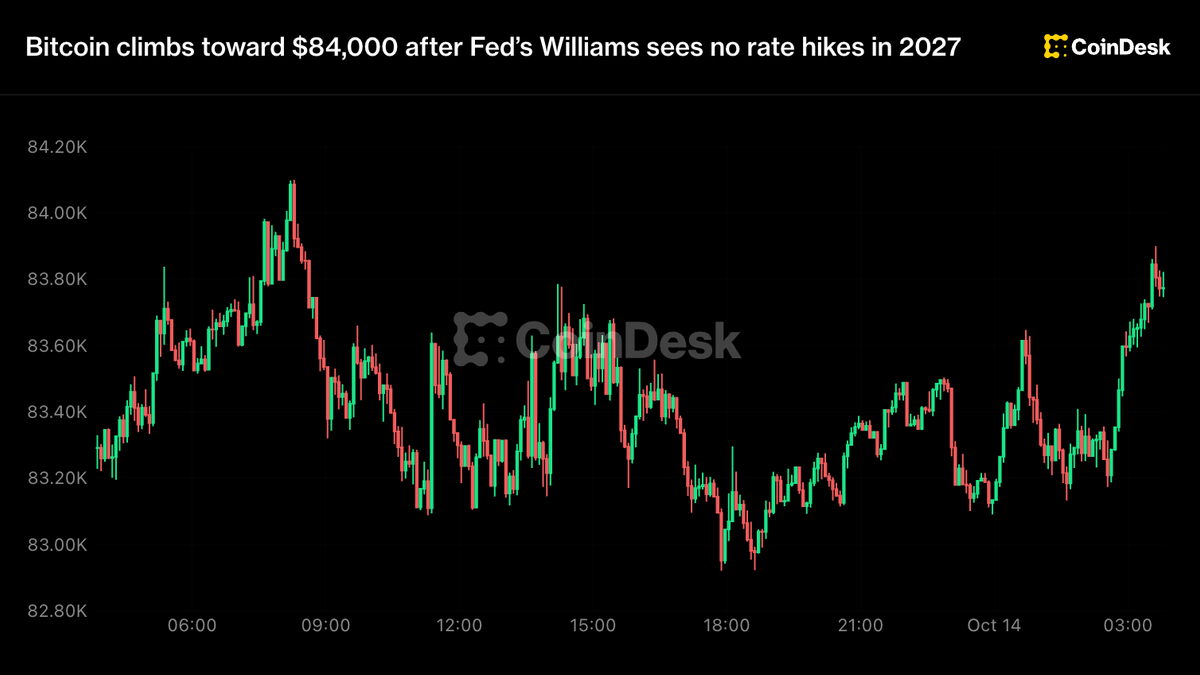
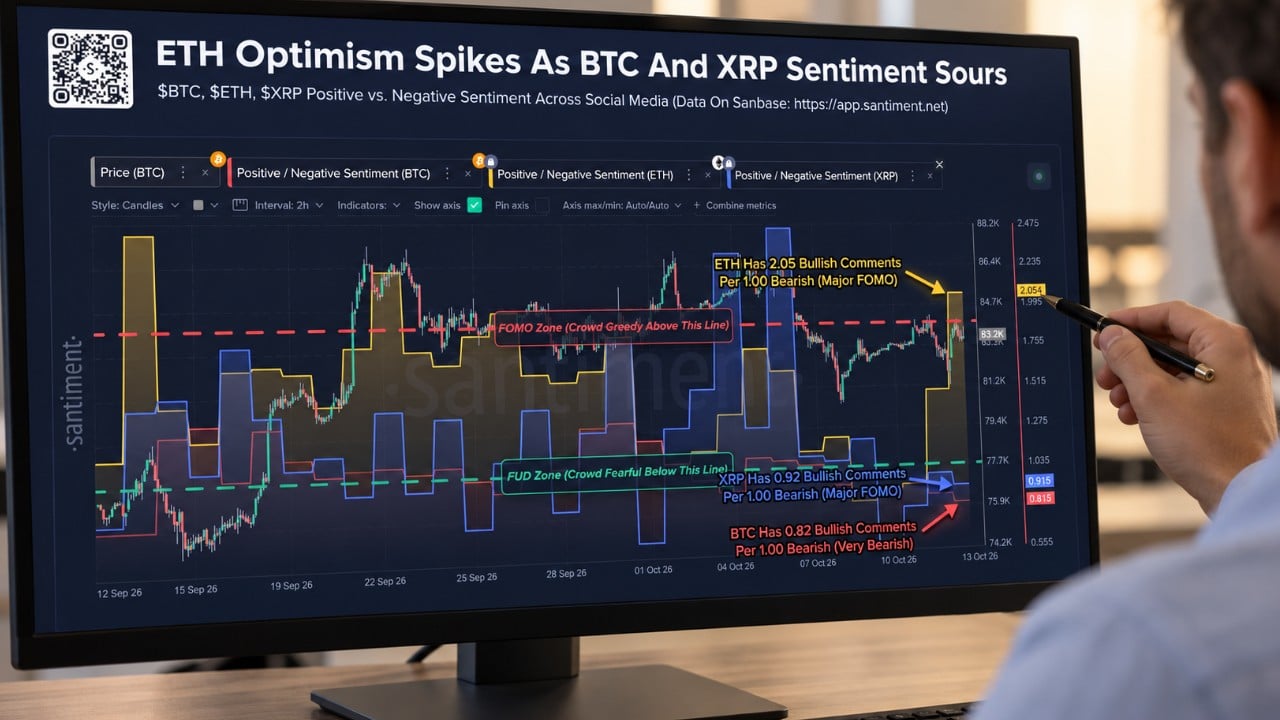
The 10-year US Treasury yield has climbed to its highest level since 2002, topping 5.3% this month and creating a new competitive dynamic for Bitcoin and other risk assets. With government-backed Treasury notes now offering returns above 5% virtually risk-free, Bitcoin's lack of yield or dividend payments makes it harder for investors to justify holding the cryptocurrency.
The Core Challenge
Bitcoin generates returns only through price appreciation, whereas a Treasury note now provides over 5% annual income with minimal default risk. This means investors require substantially larger expected gains from Bitcoin to compensate for holding a more volatile, non-yielding asset.
The mathematics of asset valuation compounds this pressure. Higher yields increase the discount rate applied to future cash flows, reducing the present value of those gains. Assets without cash flows—including cryptocurrencies—are particularly sensitive to this valuation logic.
Capital Flows Turning Toward Bonds
Money has already begun shifting into fixed income. Bond exchange-traded funds attracted a record $469 billion through September, reflecting investor demand for yield-bearing assets.
How Much Higher Can Yields Go?
The 10-year yield has risen approximately 1.2 percentage points in 2026 and touched 5.34% earlier this month. Dan Ivascyn, chief investment officer at bond manager Pimco, told the Financial Times that yields could potentially reach 6%, and that readings of 5.5% or higher would likely trigger significant weakness in risk markets, including both credit and equities.
Broader Market Implications
Bitcoin's performance increasingly depends on movements in the US bond market, though liquidity and fund flows can partially offset rate-related pressure. The underlying shift may persist beyond near-term volatility. Competition for investor cash now extends beyond traditional Treasury borrowing to include debt sales from artificial intelligence companies. As investors reassess traditional portfolio allocations, any asset that generates no income faces mounting pressure to outperform a 5% Treasury return.