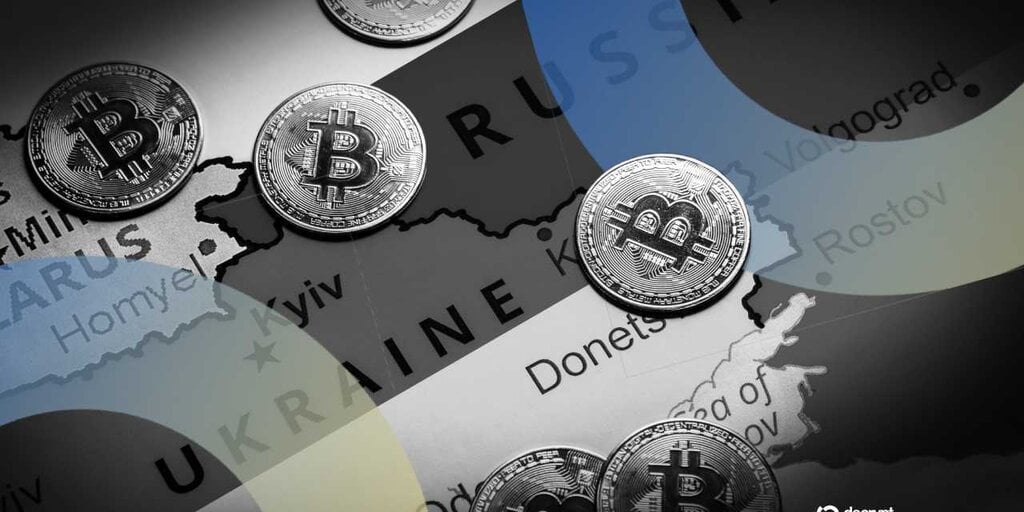
Russia's Bank of Russia has announced new restrictions on cryptocurrency trading and wallet usage, following comprehensive crypto regulations signed into law by President Vladimir Putin in August.
Under the new rules, peer-to-peer (P2P) cryptocurrency trading between individuals is banned, and retail transfers to self-custody wallets are prohibited. Self-custody options include hardware wallets such as Ledger and Trezor, as well as software wallets including Trust Wallet and MetaMask.
Crypto traders have been granted a grace period until July 1, 2027, after which all P2P trading will be eliminated entirely. Going forward, all cryptocurrency trading must occur through state-licensed intermediaries. Russia's central bank has authorized Sberbank and VTB, the nation's largest state-owned commercial bank and a major state bank, to offer custodial and exchange services.
Investment Categories and Limits
The regulations, which took effect on September 1, establish two investor classifications with different purchasing restrictions:
- Non-qualified investors: Limited to 300,000 rubles (approximately $3,840) in annual cryptocurrency purchases. They may only buy Bitcoin (BTC), Ethereum (ETH), and Tether (USDT), which the Bank of Russia designates as highly liquid digital assets.
- Qualified investors: Includes institutions and professionals with unlimited purchasing power, subject to certification requirements.
The regulations also mandate that individuals complete a mandatory crypto risk knowledge test before trading legally.
Additional Restrictions and Exceptions
Using cryptocurrencies as legal tender within Russia is prohibited. However, domestically mined cryptocurrencies may be circulated if they originate from licensed domestic miners.
Russians are permitted to trade and hold cryptocurrencies abroad using foreign bank accounts, provided they file necessary tax reports. The regulations also allow cryptocurrency use for cross-border import-export transactions.