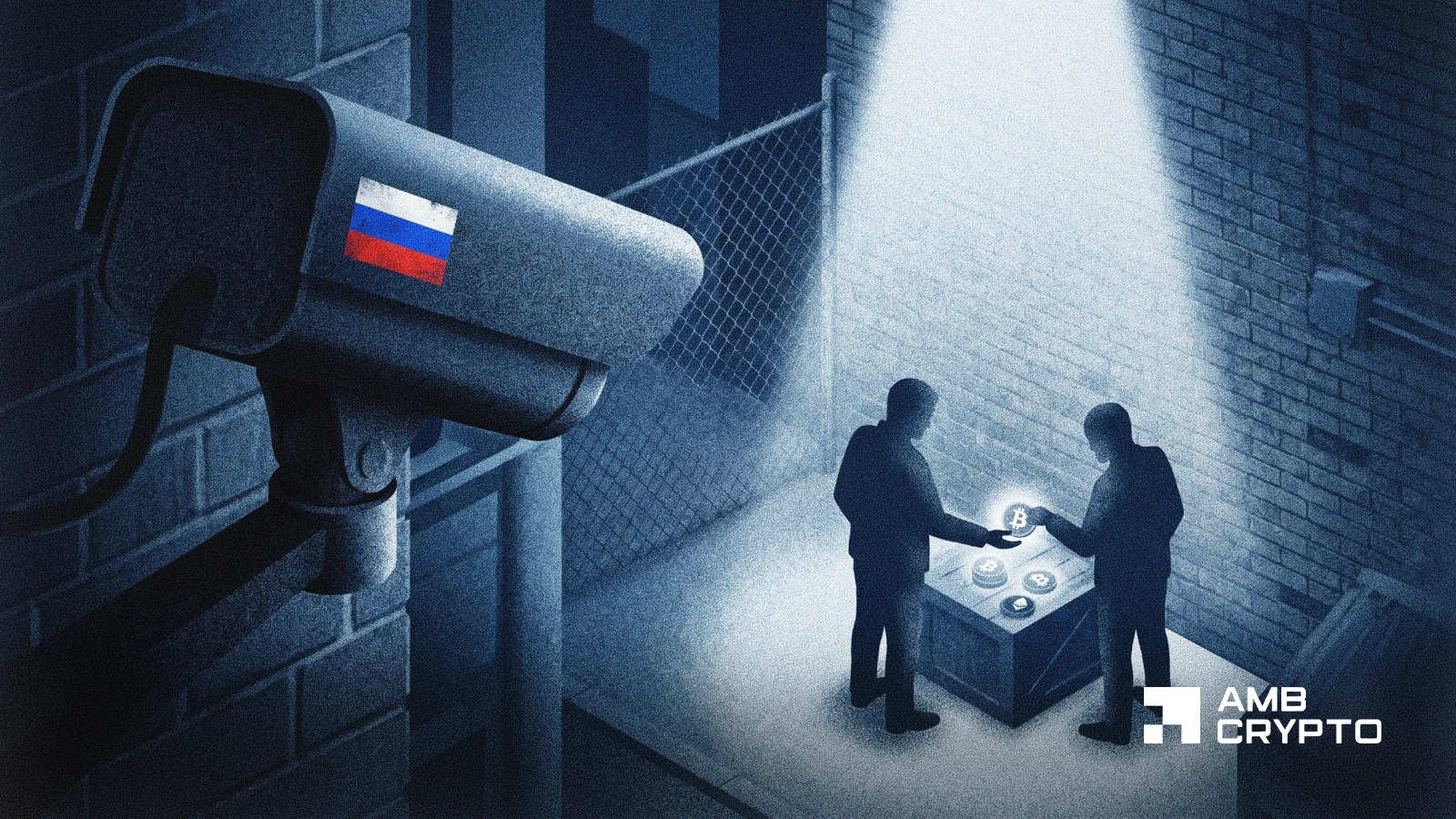
Russia will prohibit peer-to-peer (P2P) cryptocurrency trading between individuals starting July 1, 2027, according to new regulations under Federal Law No. 282-FZ on Digital Currencies and Digital Rights. The law was signed by President Vladimir Putin in August 2026 and took effect on September 1, 2026.
Under the new rules, all cryptocurrency trading will be permitted only through regulated entities. Additionally, withdrawals to self-custody wallets are already banned under the framework, though users may send assets from personal wallets to regulated platforms.
Regulatory Framework and Licensed Operators
The legislation established a new licensing regime for banks and firms operating cryptocurrency exchanges and acting as digital asset custodians. Sberbank, Russia's largest bank, obtained two licenses and plans to offer crypto trading beginning in December.
Foreign stablecoins such as Tether's USDT are permitted for public trading on regulated platforms. Retail investors face an annual investment cap of $3,500.
Restrictions on Capital Movement
Cryptocurrency will not be permitted for domestic payments within Russia. However, it will be allowed for cross-border and international trade.
The restrictions aim to limit capital flight by preventing citizens from moving funds to offshore accounts and self-custody platforms, while increasing transparency and reducing tax evasion. The framework also enables importers and exporters to use crypto for international transactions.
Global Context
Globally, peer-to-peer and personal wallet cryptocurrency flows increased 300 percent to $228 billion in the past year, according to Chainalysis. Brazil, Thailand, the European Union, and other jurisdictions are implementing similar restrictions on P2P transfers and self-custody withdrawals, though their policy objectives focus on combating money laundering, fraud, and tax evasion.