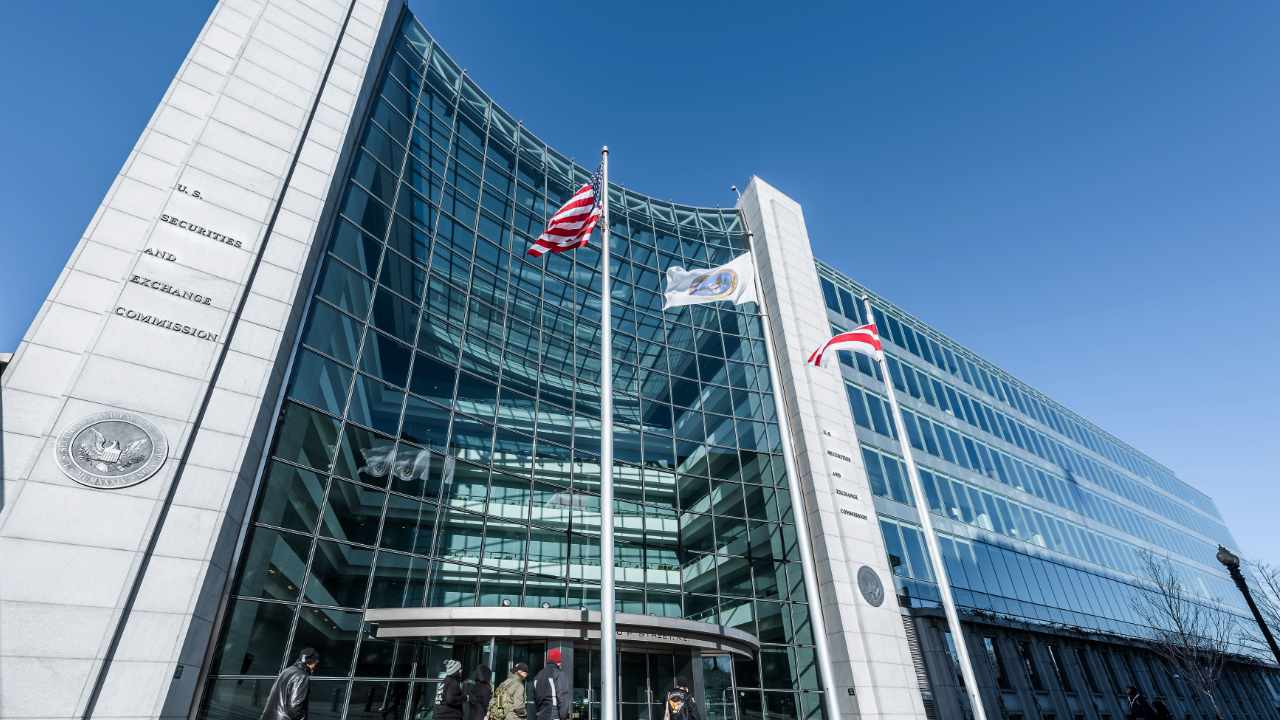
The U.S. Securities and Exchange Commission charged eight Colorado-based entities with securities fraud on November 19, alleging an investment scam that cost U.S. investors more than $37 million. The SEC indicated that people overseas likely operated the entities.
According to the SEC, the scheme used social media advertisements to direct U.S. investors into private and group chats where individuals claiming to represent an investment adviser offered stock tips. These operators then urged investors to send money to fake cryptocurrency trading platforms, where investors believed they were purchasing legitimate crypto assets.
Deceptive Tactics and False Credentials
To build credibility with skeptical investors, the defendants allegedly created fake SEC certificates and presented filings purportedly made with the SEC, the Financial Industry Regulatory Authority, or the Financial Crimes Enforcement Network. False claims of SEC registration were used to gain investor trust.
The operators cycled through four pairs of fake advisers and trading platforms between August 2024 and May 2026, switching to new identities every few months. Three filings connected to the defendants were subsequently removed from the SEC's website, including a Form D and two Forms ADV.
The Defendants and Charges
The SEC named eight defendants in federal court in Colorado: Advisor Wechat Capital, Tech Brokerage Asset Alliance Ltd., HB Wealth Advisors, Ideacrypto Exchange LLC, Convergent Wealth Advisors Inc., Realsimple Crypto Exchange Inc., Associated Wealth Advisors Ltd., and Essential Crypto Exchange.
All eight entities face civil fraud charges under federal securities antifraud provisions. Four also face adviser fraud allegations under the Investment Advisers Act, and two face claims of false statements in filings.
Enforcement Actions and Assistance
The SEC is seeking permanent injunctions, restrictions on future conduct, disgorgement of illicit gains, prejudgment interest, and civil penalties. Regulators in Hong Kong, Singapore, China, and Switzerland assisted the SEC in the investigation.
This case reflects a broader pattern of fraudulent investment schemes. In December 2025, the SEC brought charges against three purported crypto platforms and four investment clubs that allegedly took at least $14 million from U.S. retail investors through similar tactics. Two separate schemes announced in September 2026 involved WhatsApp and other platforms and allegedly took more than $15.3 million from investors.