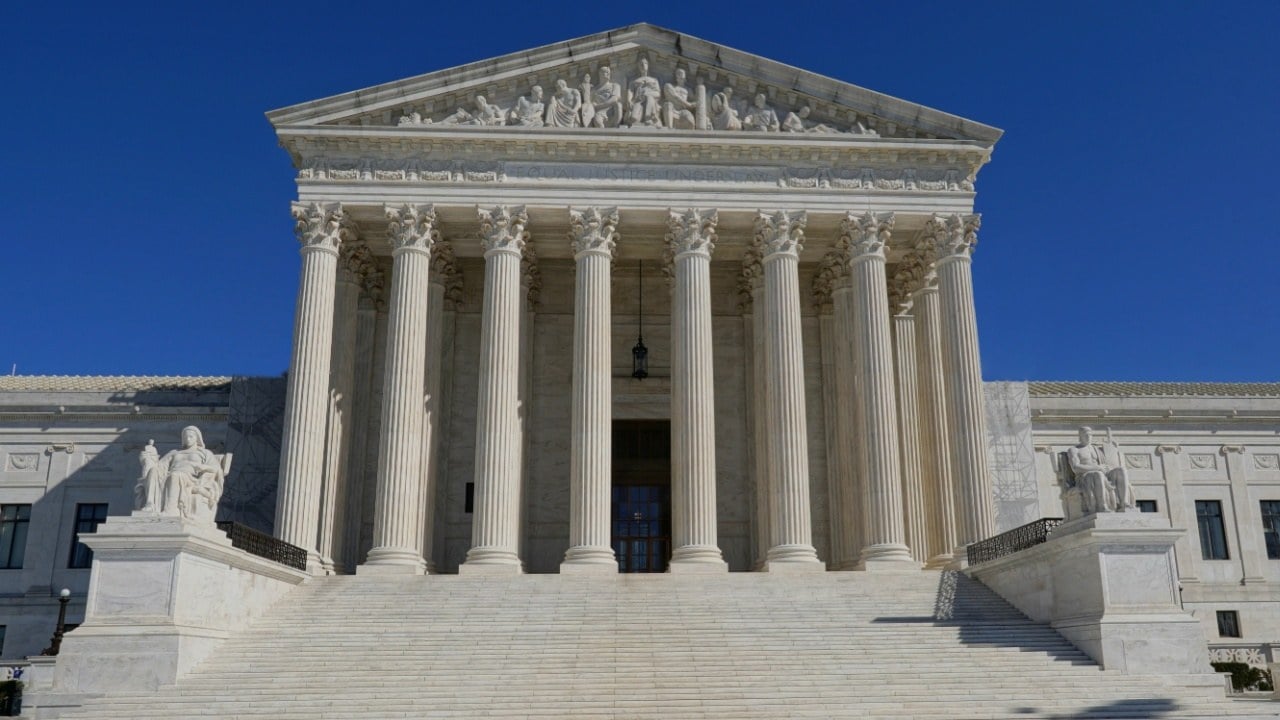
The U.S. Securities and Exchange Commission (SEC) staff issued guidance that governance tokens are typically not classified as securities provided the underlying network operates in a genuinely decentralized manner.
Key points of the guidance
In an update released on November 2, the staff explained how governance tokens fit within the agency’s broader crypto framework introduced in March. The guidance states that independent token holders who vote through a decentralized system are not regarded as a single controlling group.
Projects must still demonstrate that voting power is broadly distributed. If a small group or a single entity can unilaterally change network rules, restrict access, or override community decisions, the token could still be viewed as having central control.
Implications for Uniswap and similar tokens
The clarification reduces regulatory uncertainty for governance tokens such as Uniswap’s UNI, which allows holders to vote on protocol upgrades and fund allocation. While the guidance does not automatically reclassify these tokens as commodities, it may make exchanges and institutional investors more comfortable handling them.
Uniswap’s community has previously voted to adopt a Wyoming Decentralized Autonomous Organization (DUNA) legal structure, a model referenced in the SEC’s FAQ.
Limitations of the guidance
The staff clarification is non‑binding and does not constitute a new law. Future regulatory interpretations could differ, and legislative action such as the proposed CLARITY Act has not been enacted.