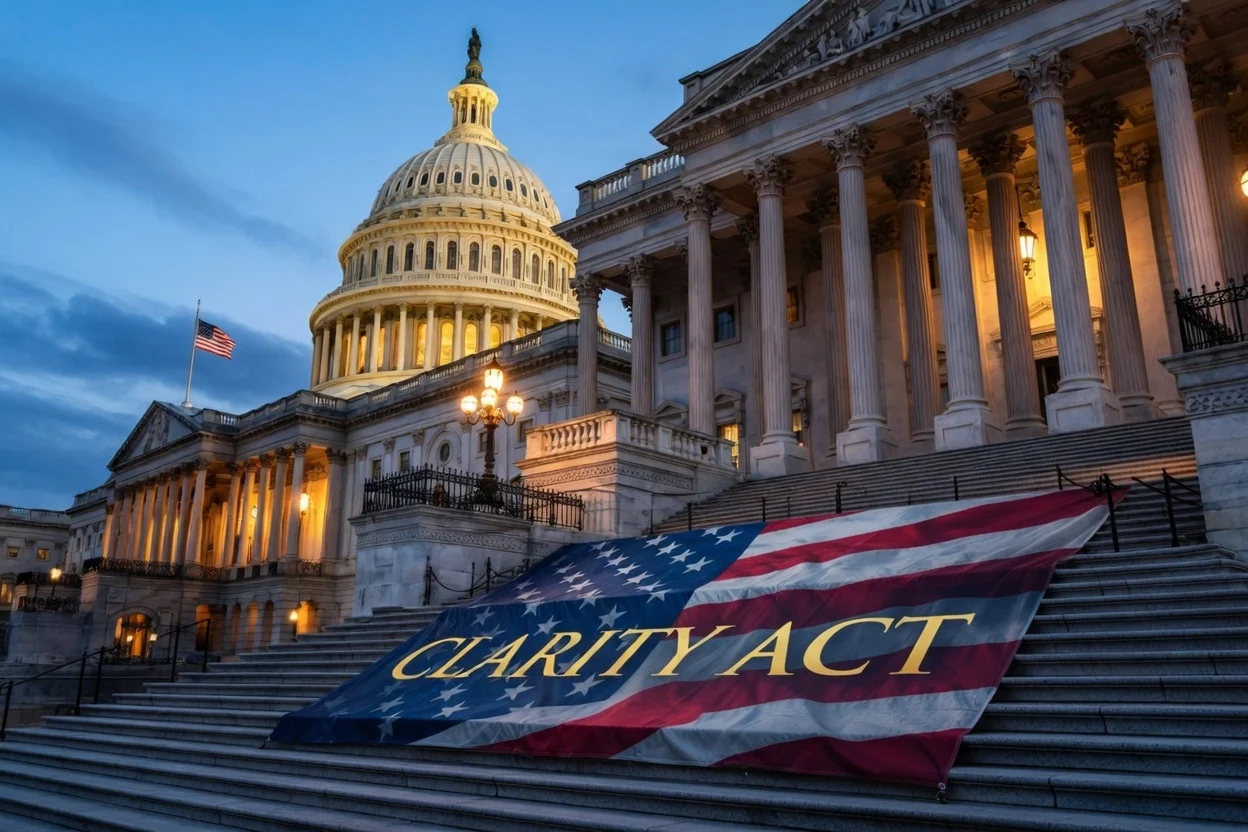
Senator Cynthia Lummis, a Republican from Wyoming, defended the proposed CLARITY Act in the wake of a major security breach at Binance that resulted in the theft of approximately $6.3 billion in cryptocurrency.
Background of the breach
On October 29, Binance halted withdrawals after detecting a breach. The attackers moved billions of dollars across multiple blockchains within minutes, limiting the ability of investigators to intervene. The exchange resumed withdrawals on November 1, initially covering assets on 15 blockchain networks, including Bitcoin, Ethereum, Solana and XRP.
CLARITY Act proposal
Lummis highlighted a pilot program in the CLARITY Act that would enable crypto firms to share real‑time intelligence with federal law‑enforcement agencies. The proposal also includes provisions that could protect firms that temporarily freeze transactions at the request of law enforcement. The senator argued that such mechanisms could have allowed faster freezes during the Binance incident.
Legislative status
The CLARITY Act has not been enacted. A Senate procedural vote on September 15 failed to advance the bill, with a 49‑to‑50 outcome. Lummis attributed the failure to Democratic opposition, noting that the vote concerned the full legislation rather than specific anti‑fraud provisions.
Binance response and investigation
Binance reported that it had replaced about 95 % of the affected assets using its own resources, with the remaining tokens harder to source due to limited market liquidity. The exchange said customer losses would be covered. The FBI linked the hack to North Korea’s TraderTraitor unit, and investigators continue to trace the stolen funds across blockchains.
Industry reaction
Policy executive Amanda Fischer of Better Markets questioned whether the CLARITY Act would have allowed quicker freezes, citing existing legal frameworks. Lummis responded that Binance would qualify as a covered digital‑asset service provider under the proposed pilot.
As Binance restores full withdrawal functionality, the incident has renewed discussion about regulatory tools that could enhance coordination between crypto platforms and law‑enforcement agencies.




