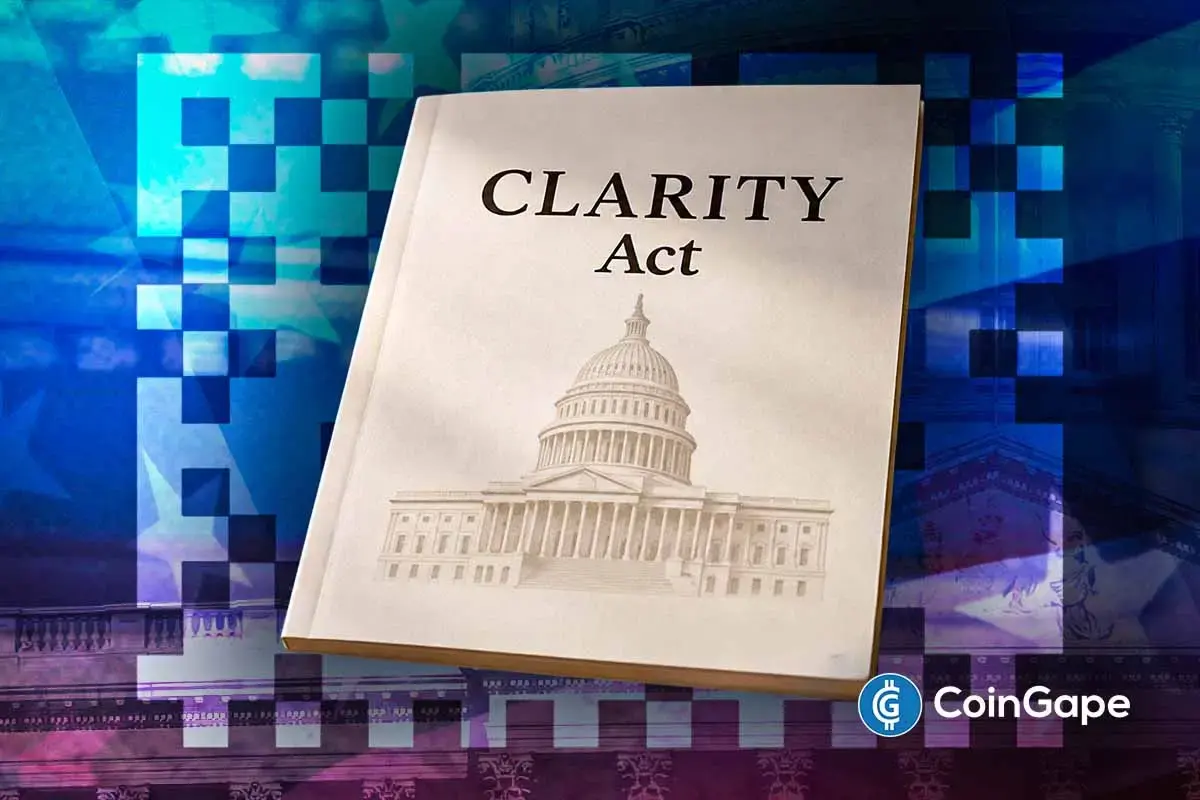
Wyoming Senator Cynthia Lummis says the stalled CLARITY Act would have equipped crypto exchanges with immediate legal authority to freeze suspicious funds, pointing to the October 29, 2026 Binance hack as a case study in what the bill's absence cost the industry.
On that date, attackers drained approximately $6.3 billion from Binance's hot wallets across multiple chains in under four hours. North Korea's Lazarus Group, specifically its TraderTraitor unit, was identified as responsible by blockchain analysis firms Chainalysis and TRM Labs. Binance confirmed that no private keys were compromised, attributing the breach to a DevOps engineer's laptop that had been compromised.
Stablecoin issuers responded swiftly. Ripple froze $200 million in RLUSD, Tether halted approximately $1.57 billion in USDT, and Circle blocked over $800 million in USDC. Binance confirmed roughly $3 billion in total frozen assets through partner coordination. The exchange's internal investigation indicated the remaining losses would be covered by its SAFU fund and reserves.
CLARITY Act's Freeze Authority
Senator Lummis argued the following day that the CLARITY Act would have accelerated the response. The legislation would grant crypto firms classified as "covered persons," or digital-asset service providers, explicit temporary-hold authority over suspicious transactions. This status would also reduce civil-liability exposure for firms acting on a reasonable belief of illicit activity, extending beyond voluntary industry coordination.
When challenged that asset freezes typically require court orders, Lummis clarified that the CLARITY Act would provide the statutory framework to enable faster action without fear of litigation.
Legislative Stalemate
The CLARITY Act passed the House in 2025 and cleared the Senate Banking Committee but failed a cloture vote on September 15, 2026, with a 49-50 count—ten votes short of the 60 needed to advance. The White House and Lummis attributed the defeat to Democratic opposition despite months of negotiations that incorporated $150 million in enforcement funding, DeFi clarifications, and enhanced illicit-finance tools.
The Senate defeat triggered market consequences, with spot Bitcoin ETFs experiencing $450 million in outflows in the largest single-day redemption since June. Seven Democrats reopened talks afterward, but legislative focus has since shifted toward SEC and CFTC rulemaking under existing authority. With midterms approaching and limited legislative days remaining, revival prospects appear dim.
Coinbase reduced its Q3 lobbying budget following the bill's defeat, signaling a broader industry pivot away from legislative efforts. The Binance hack has now highlighted the practical consequences of the CLARITY Act's absence from law.