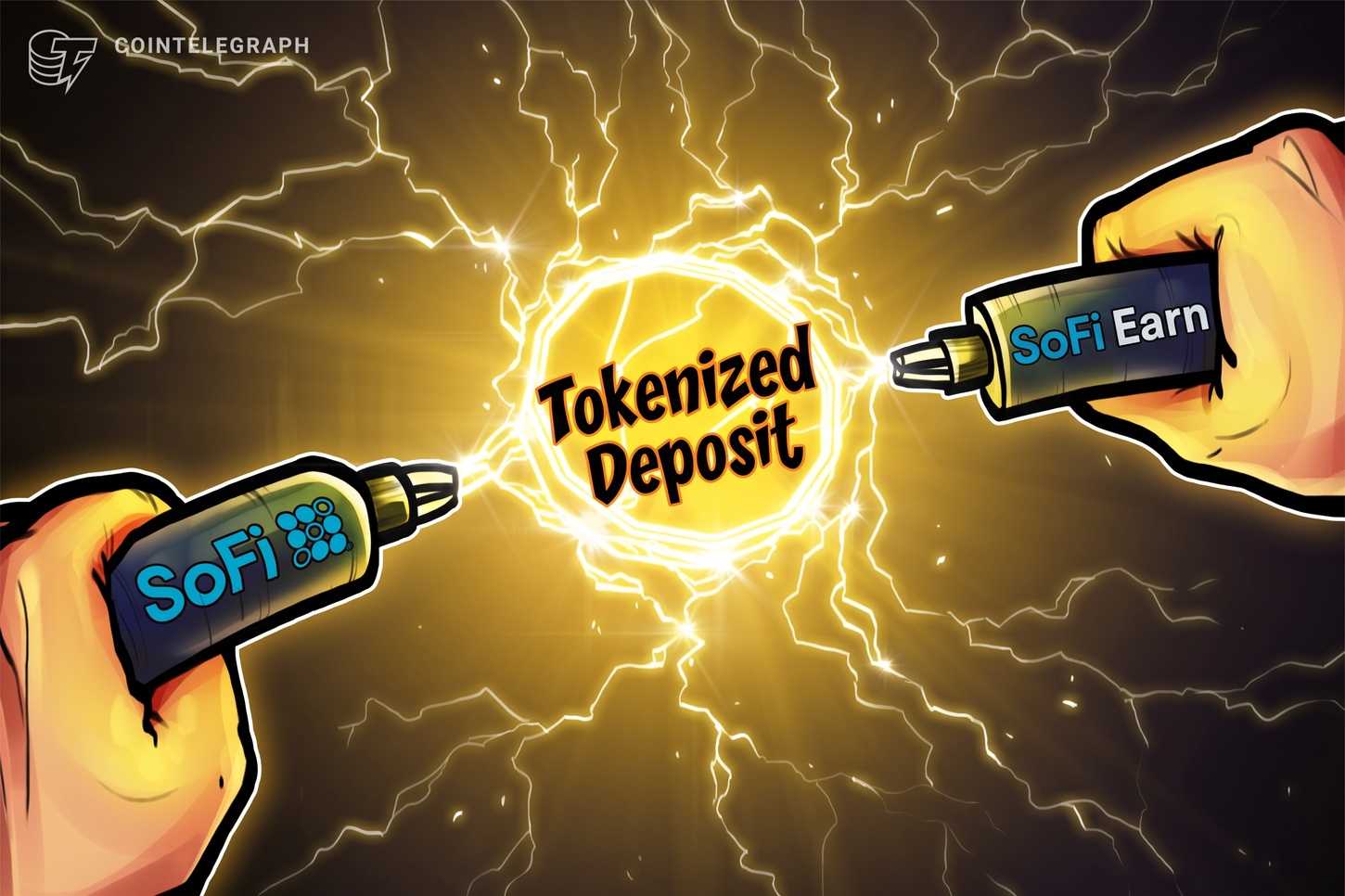
SoFi has launched SOFIE, a tokenized deposit that is accessible through the crypto side of its app but functions as a bank account. The product, also called SoFi Earn, is issued by SoFi Bank, N.A., a fully chartered, FDIC-insured subsidiary of SoFi Technologies, Inc.
What SOFIE is
SOFIE is not a new digital currency. It is a deposit liability of SoFi Bank, meaning the token represents money the bank owes the customer, similar to a checking balance. Because it counts as a deposit, SOFIE balances qualify for FDIC insurance up to applicable limits when held at SoFi Bank. Those balances are aggregated with any other deposits a customer has at the bank, so SOFIE does not carry a separate coverage limit.
On yield, The Block’s summary of the launch cited a 4% APY, while SoFi’s product materials list a variable rate of 4.40% APY as of October 20, 2026. Customers access SOFIE through the SoFi Crypto interface.
SOFIE versus SoFiUSD
SoFi now offers two dollar-linked tokens. The second is SoFiUSD, which trades under the ticker SOFID. It is a payment stablecoin redeemable 1:1 for US dollars. It is not a deposit and does not carry FDIC insurance. Users can convert between SOFIE and SoFiUSD, subject to the terms in SoFi’s account agreements.
One detail to note: SoFi’s broader Insured Deposit Program, which extends coverage beyond standard limits by spreading money across partner banks, excludes SOFIE balances.
How SoFi got here
In December 2025, SoFi established public blockchain infrastructure. In May 2026, it launched SoFiUSD on that foundation. SOFIE followed in mid-to-late October 2026, with marketing and promotional pushes picking up on October 22. The launch comes as the FDIC continues to refine its guidance on tokenized deposits.
Why it matters
The two-product setup segments users by risk appetite. Conservative savers who want yield and federal protection can hold SOFIE. Users who want the flexibility of a stablecoin and are comfortable without deposit insurance can hold SoFiUSD. The conversion feature allows money to move between the two as needed.
Stablecoin issuers without bank charters can offer dollar tokens but cannot offer FDIC insurance on them. SoFi can now offer both options side by side in one app.
There are limits to keep in mind. The rate is variable and can fall. Insurance coverage is shared with other SoFi Bank deposits, not stacked on top. The expanded Insured Deposit Program does not extend to SOFIE. Customers moving money between SOFIE and SoFiUSD should understand when their dollars stop being insured deposits and become uninsured stablecoins.