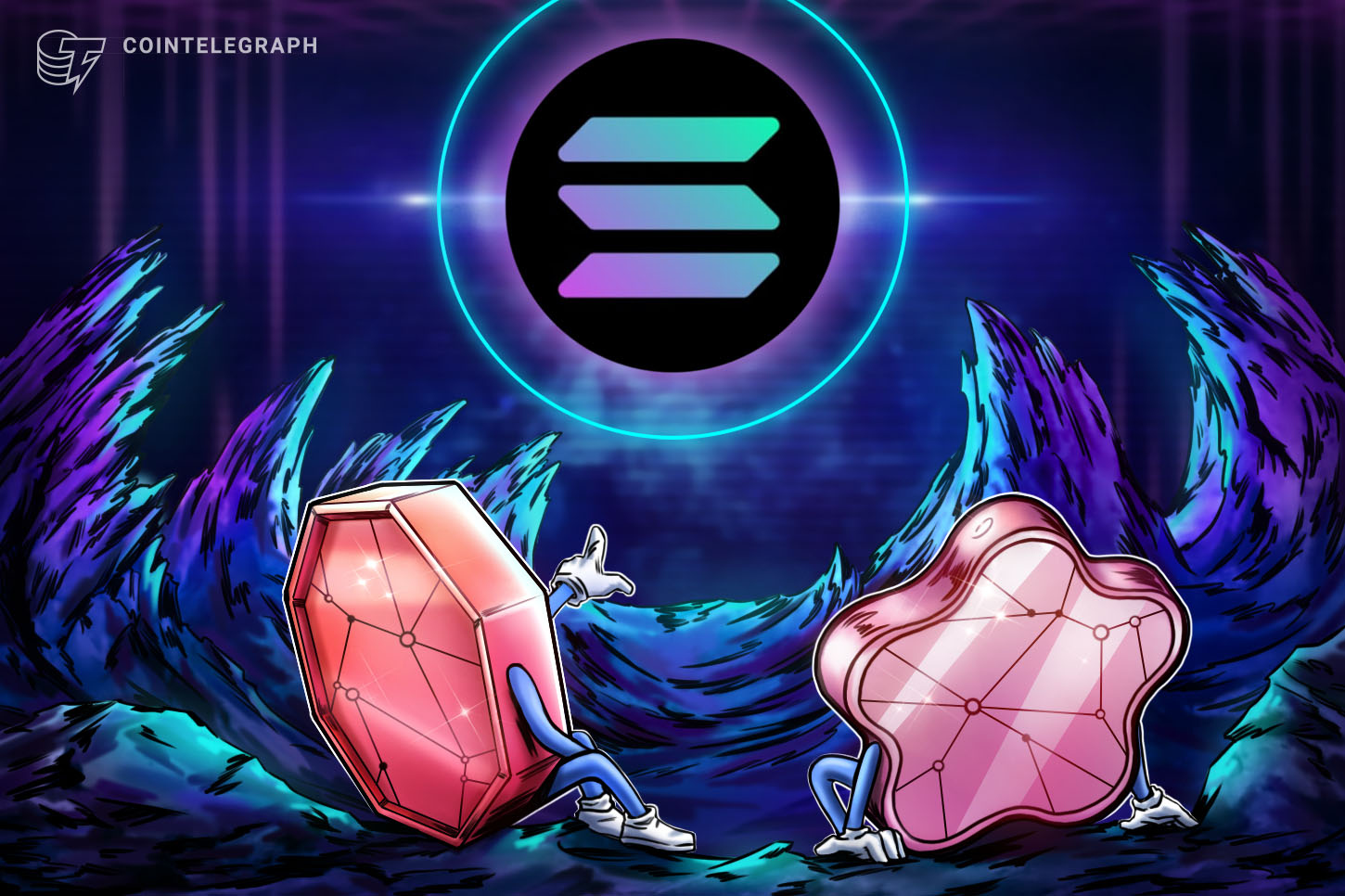
The Solana Foundation is preparing for software to become a core class of network user. At Breakpoint 2026 in London, Rishin Sharma, the foundation's head of AI initiatives, presented a roadmap centered on AI agents as users of onchain infrastructure, covering financial benchmarks for AI models, model inference access and a card-to-stablecoin onramp intended to fund agents.
Sharma's talk, titled "The Next 12 Months of AI on Solana," took place on November 17, 2026, one week after the launch of Solana.ai, a hub that already lists more than 120 teams building AI-based products on the network.
Payments emerge as the leading use case
Among those teams, payments have become the leading use case, according to Sharma's presentation. He pointed to heavy agent-driven activity on x402, a payment standard built for machine-to-machine transactions. According to the research cited, x402 has processed more than 60 million transactions in the past two months alone. Over its lifetime, the standard has handled more than 400 million payments and $100 million in volume.
On the infrastructure side, Sharma said Solana's payment channels can handle 1 million payments per second. He also highlighted Pay.sh, which integrates more than 100 APIs that agents can pay to access.
Sharma additionally cited partnerships with Google, Alibaba and ByteDance focused on pay-per-request access for AI models. Under that model, an agent pays for exactly what it uses, one call at a time, rather than through a monthly subscription.
The forward-looking plan
Two items in the roadmap stood out as forward-looking initiatives:
- A set of financial benchmarks for AI models.
- A card-to-stablecoin onramp aimed at funding AI agents.
Sharma also referenced model inference as part of the plan. Inference is the process of running a trained AI model to produce answers, and it is the part that costs money each time a question is asked.
The usage shift behind the pitch
The pitch rests on a pronounced change in usage. According to the research cited, agents accounted for 76% of OpenRouter token volume by October 2026, up from just 8% a year earlier. OpenRouter routes requests across many AI models, so its traffic offers a rough read on who is actually using them.
Sharma's presentation slotted into a broader Breakpoint theme the conference called a "token supercycle," an idea that ties AI functionality together with stablecoins, tokenized assets and programmable capital on Solana.