South Korea's KOSPI index crashed 6.5% on October 13, falling to approximately 6,002 as investors sold semiconductor stocks. The decline was triggered by Chinese chipmaker ChangXin Memory Technologies (CXMT) announcing a new 4F² memory chip design that could reduce the space needed for DRAM cells by about 30%.
The KOSPI fell 400 points and has declined more than 13% over five days, now trading over 35% below its record high set in June. The sharp sell-off prompted South Korea's stock exchange to activate a "sidecar" safety measure to slow computer-driven trading after KOSPI 200 futures dropped more than 5%.
The announcement of CXMT's next-generation DDR5 server memory chips, planned for mass production by the end of 2026, raised concerns about increased competition for South Korean memory chip manufacturers.
Impact on Semiconductor and Tech Stocks
South Korean semiconductor companies faced significant losses. Samsung Electronics shares fell more than 7.4%, while SK Hynix declined over 8.8%. In Japan, Tokyo Electron fell 6.6%, and SoftBank Group dropped more than 8%. Taiwan Semiconductor Manufacturing Co. (TSMC) also declined by 1.8%.
Foreign investors contributed to the sell-off by withdrawing nearly 2 trillion won ($1.5 billion) from South Korean stocks on October 12. In total, they sold 8.46 trillion won worth of shares during October.
Cryptocurrency Sector Response
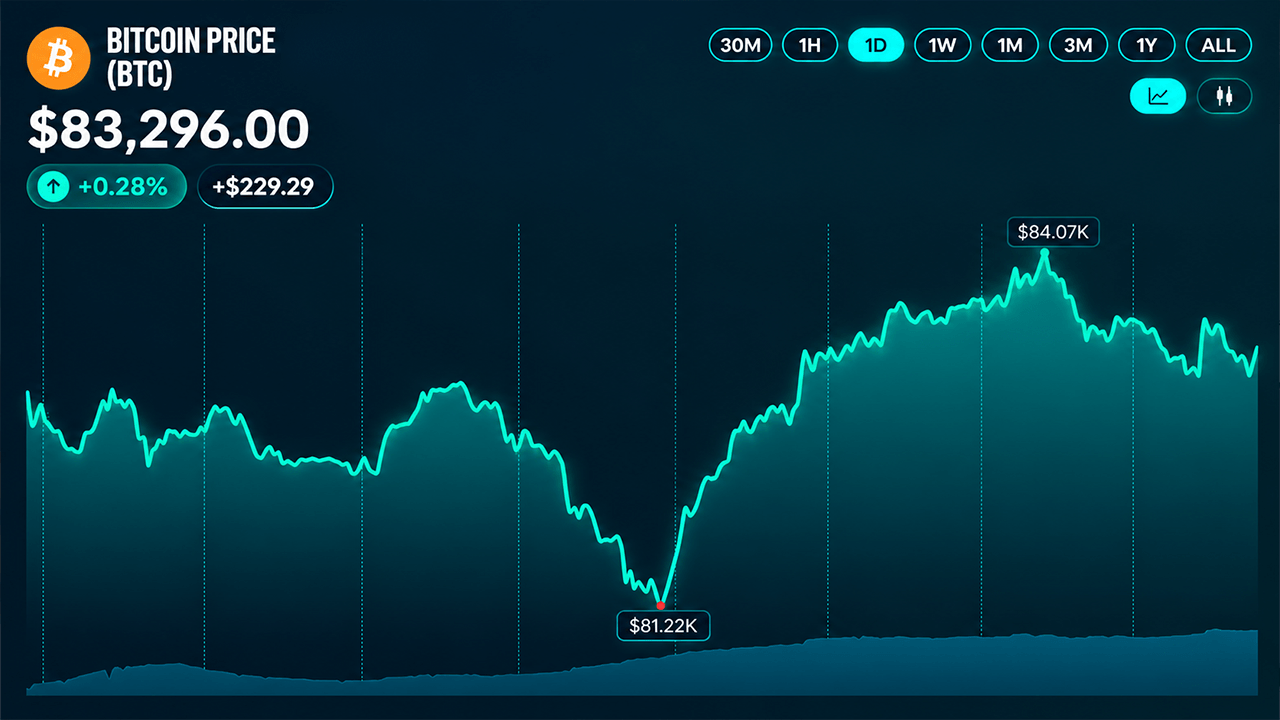
The stock market decline rippled into cryptocurrency markets. Bitcoin fell below $84,000 and traded near $83,560. The global crypto market cap stood at around $2.91 trillion.
AI-related tokens came under particular pressure, with the sector falling 7.7% to $25.51 billion. NEAR dropped 10%, ICP fell over 9% to $3.19, FET declined 9.4%, Virtual Protocol lost more than 6%, and TAO fell over 5%.