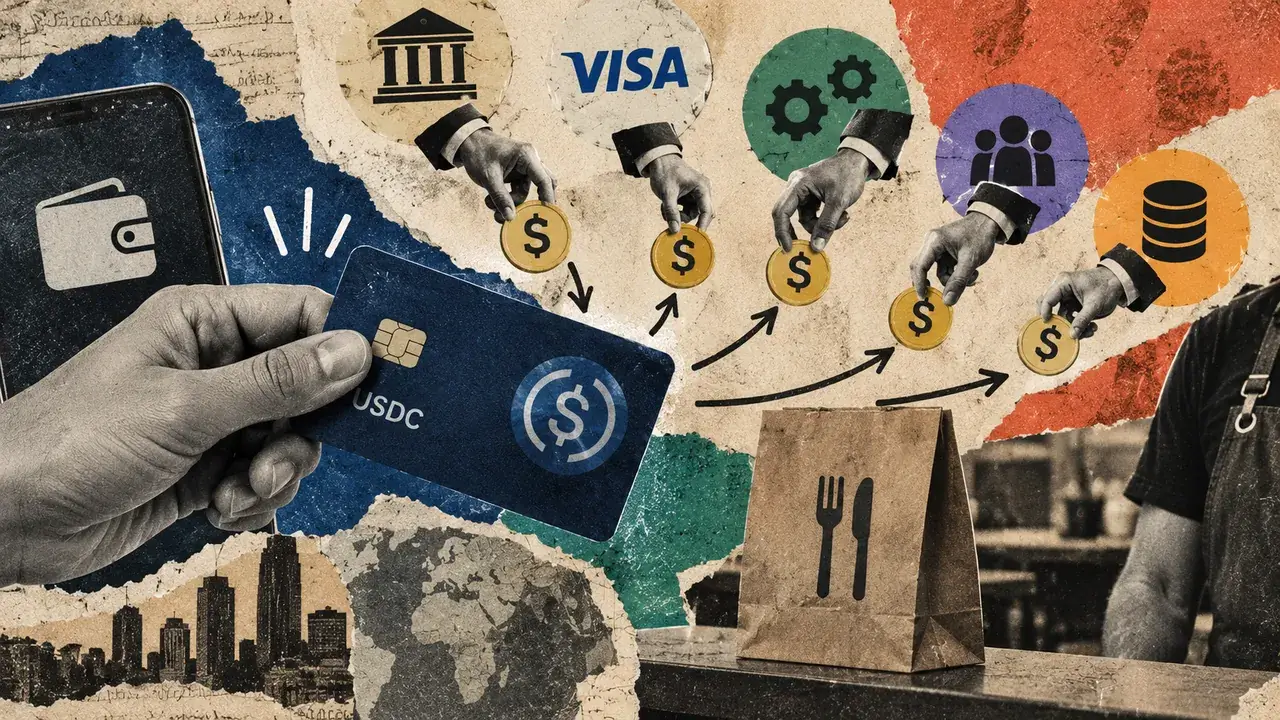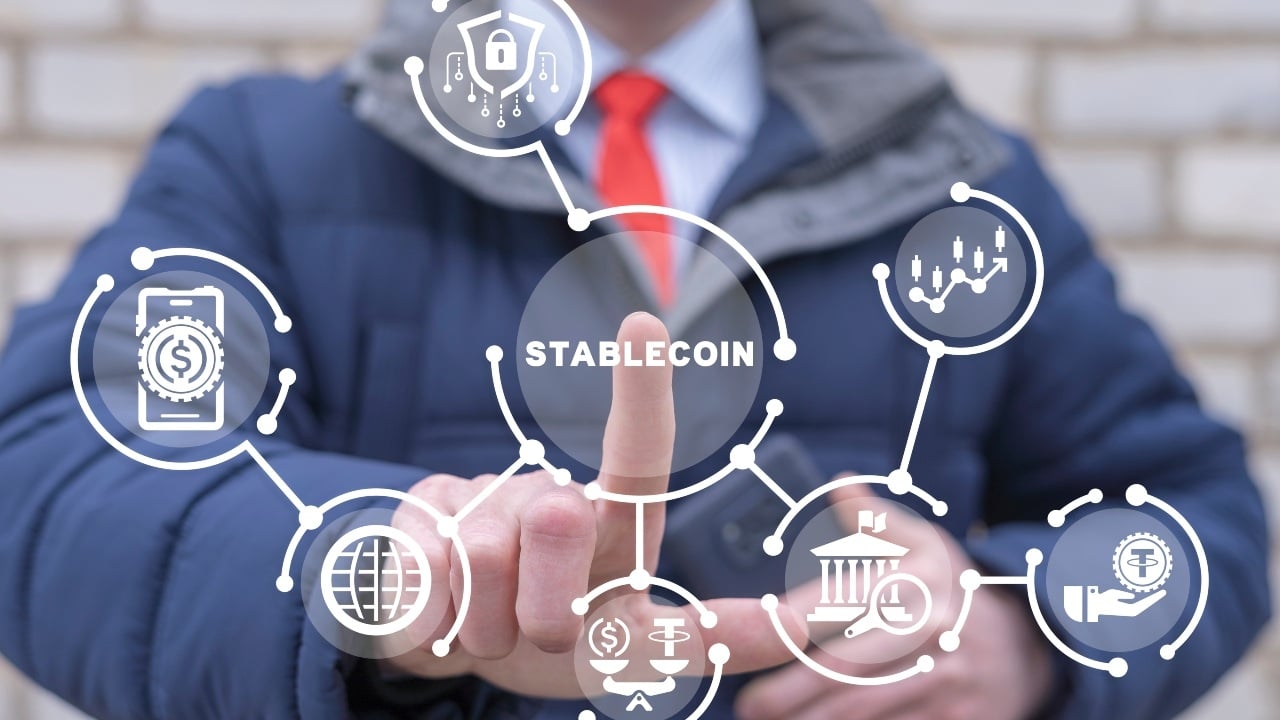
Stablecoins are undergoing a fundamental shift in purpose and adoption. Once viewed primarily as speculative instruments within decentralized finance, they now serve as essential infrastructure for accessing U.S. dollars, particularly in emerging markets and across global commercial corridors.
According to Aurélien Roussel, co-founder and CEO of Frgmnt, a stablecoin infrastructure company, the next phase of mainstream adoption will emphasize everyday economic utility over yield-chasing. Users in emerging economies value stablecoins primarily for protecting purchasing power against local currency depreciation and reducing friction compared to traditional banking channels.
Roussel emphasized that successful adoption will depend on making blockchain technology nearly invisible to end users, embedding it directly into remittances, payroll, corporate treasury, and merchant settlement systems.
Banking Risks Remain Structural
The banking failures of 2023 exposed a core paradox of fiat-collateralized stablecoins: while they exist as decentralized assets on blockchain, they remain anchored to centralized, legacy banking institutions. According to Roussel, fiat-backed stablecoins cannot be completely decoupled from the traditional financial system.
To manage counterparty risks, Roussel points to modular architecture as essential safeguards. These include diversification of banking relationships, segregation of reserves, transparent real-time attestations, and operational redundancy across multiple liquidity venues and redemption mechanisms.
"Blockchain doesn't eliminate traditional financial risk," Roussel noted. "What it can do is make parts of the financial architecture more transparent, programmable, and auditable."
Market Segmentation Over Consolidation
Tether's USDT maintains dominant market position in global non-Western trade due to entrenched network effects and broad liquidity. However, Roussel expects the stablecoin market to become segmented rather than converge on a single winner, with different stablecoins specializing in distinct use cases including retail payments, corporate treasury management, institutional settlement, and long-term savings.
For institutional users, competitive advantages will increasingly depend on transparency, liquidity, regulatory access, custody options, and integration with existing financial infrastructure rather than the token itself.
Navigating Regulatory Fragmentation
As jurisdictions establish localized frameworks such as Europe's Markets in Crypto-Assets regulation, stablecoin issuers face a fragmented landscape. Roussel suggests that regulatory interoperability, rather than full harmonization, offers a viable path forward—similar to how the internet operates across different legal systems.
The primary threat, according to Roussel, is the creation of isolated, jurisdiction-specific technical silos that destroy cross-border interoperability. Common standards around reserve transparency, attestations, identity, compliance, and redemption could enable regulatory interoperability while keeping the protocol layer global and regulated access points localized.
Regarding central bank digital currencies, Roussel sees collaboration rather than competition. CBDCs could provide a sovereign base-layer digital unit of account while private stablecoins drive cross-border connectivity, platform integration, and tailored financial products.
Layer 2 Scaling Shifts Economics
The migration of stablecoin traffic to Layer 2 networks has drastically compressed transaction costs to sub-cent levels. This fundamental shift changes the economic model for stablecoin issuers, as transaction fees can no longer serve as the primary revenue driver.
With near-zero marginal transaction costs, issuers will increasingly compete through distribution, liquidity, financial services, and treasury products. Roussel described this as a transition from stablecoins serving as cheap payment channels to functioning as programmable financial assets capable of earning yield and interacting with broader financial infrastructure.