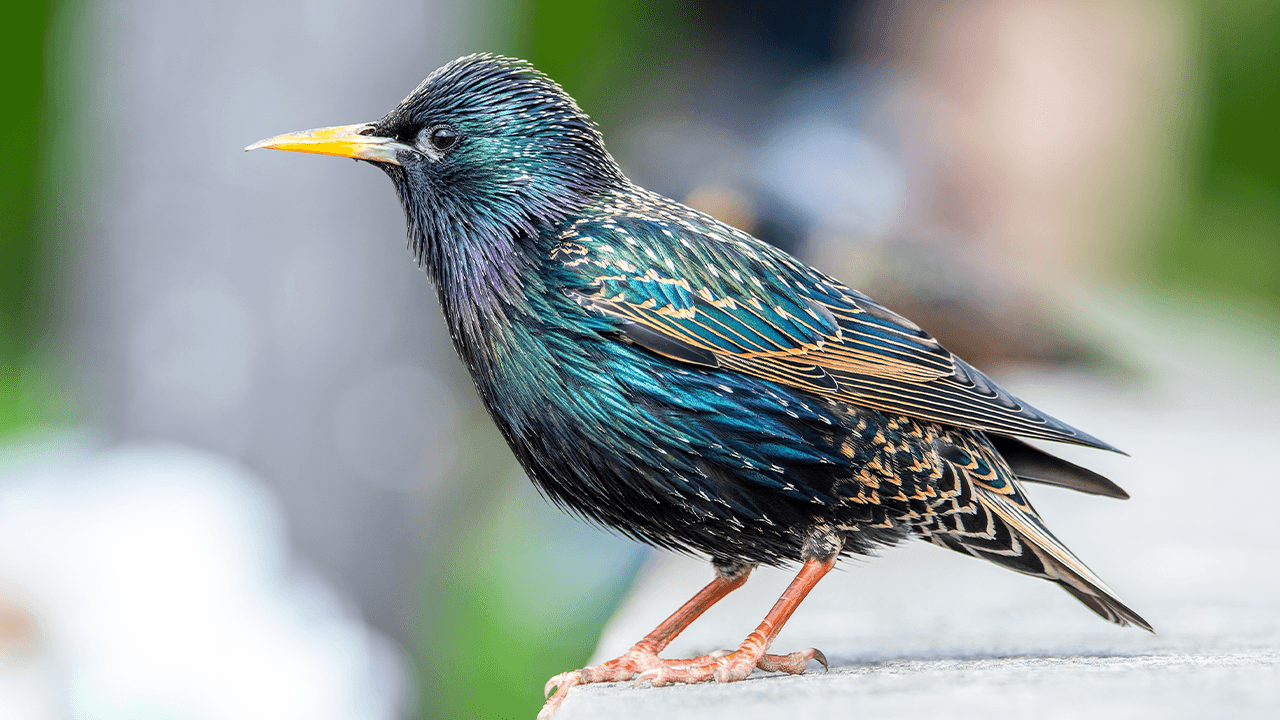
Researchers measured the flight initiation distance (FID)—the point at which a bird stops tolerating an approaching human and takes off—by having male and female participants matched for height and clothing walk in a straight line directly toward birds in urban green spaces.
Key Findings
- Distance Difference: On average, men were able to get about one meter closer (roughly three feet) than women before the birds flew away.
- Mean FID: Recorded mean flight distances were 8.5 meters for female observers compared to 7.5 meters for male observers.
- Species Consistency: The pattern held across 37 different urban species, including great tits, house sparrows, blackbirds, magpies, and pigeons.
Lead author Federico Morelli of the University of Turin noted that after accounting for other variables influencing FID variation, birds tended to escape from a distance of about one meter longer when approached by women.
Unexplained Causes
Despite documenting the clear behavioral pattern, researchers currently have no definitive explanation for the sex-linked gap. The study team, which includes UCLA researcher Daniel T. Blumstein alongside multiple European collaborators, has indicated that follow-up tests are needed to separate potential drivers such as movement patterns, scent cues, or other physical traits.