Tether CEO Paolo Ardoino responded to a recent Senate Democrats report criticizing the stablecoin firm's role in Iran-related financial activity, arguing that the investigation overlooked the company's efforts to combat sanctions evasion.
The Senate Permanent Subcommittee on Investigations, led by Senator Richard Blumenthal, released a report last month alleging that Tether's stablecoins provided "a significant financial lifeline within Iran's shadow banking network." Ardoino countered that Tether freezes suspicious transactions well before official designations from entities like the U.S. Treasury Department's Office of Foreign Assets Control and Israel's National Bureau for Counter Terror Financing.
Timing and scope of freezes: Ardoino stated that since 2023, Tether has frozen addresses on average four weeks prior to OFAC and NBCTF official sanction designations. He added that the company froze reported addresses before the blockchain analysis firm Chainalysis labeled them 99% of the time.
Ardoino claimed these actions "led to Iran-linked stablecoin volumes declining by 94%."
The CEO also addressed the report during a remote appearance at DC Fintech Week last Tuesday, criticizing the timing of its release to media before Tether could review it. "I believe it's important for the public also to hear our side of the story," he said.
Broader concerns: The Senate report examined activity over several years, noting that Tether did not comprehensively freeze flagged wallets before 2024. The report stated this absence of deterrence coincided with terrorist organizations such as Hamas shifting from bitcoin to USDT.
Ardoino emphasized that Tether's work to prevent abuse on its platform remains ongoing. "Our aim is to push out the bad actors from USDT," he said, adding that such actors have moved to other means outside U.S. control.
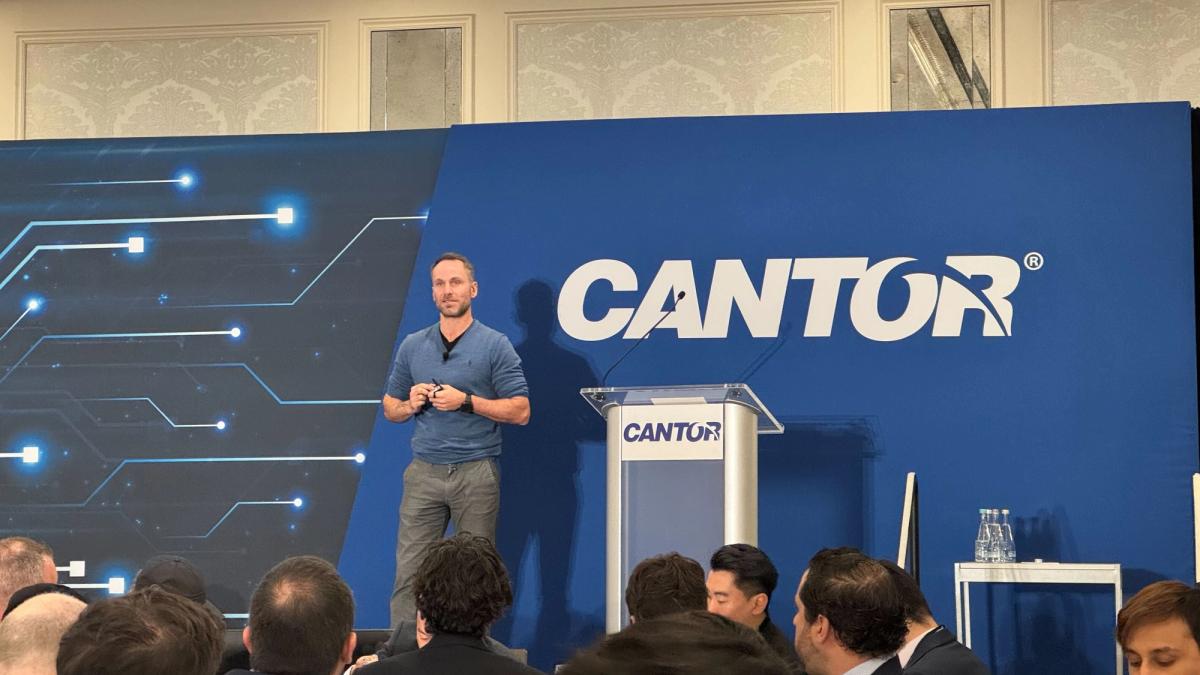
Senator Blumenthal has continued investigating Tether's relationship with its U.S. financial partner, Cantor Fitzgerald.