Tokenized stocks require more than continuous trading to achieve sufficient liquidity for large trades, according to Gravity Team CEO Mārtiņš Beņķītis. Market makers must commit capital to absorb trades during weekends and overnight sessions, when underlying shares cannot always be bought or sold to hedge exposure.
A large order in a tokenized stock can move prices significantly without sufficient capital on the opposite side of the trade. The International Monetary Fund highlighted this challenge in an October report, finding that tokenized equities remain significantly less liquid than traditional stocks and exhibit approximately 1.5 times their realized volatility. The IMF attributed part of this difference to continuous trading during lower-volume overnight and weekend periods, when prices can deviate more sharply from those of underlying shares.
Redemption Mechanisms as Critical Infrastructure
Beņķītis emphasized that the ability to create and redeem tokens against their underlying shares is essential for market makers to maintain liquidity and limit price differences between traditional and blockchain-based markets. When a token trades above its underlying stock price, an authorized participant may purchase shares and create additional tokens to close the gap.
However, this process depends on sufficient capital, predictable settlement arrangements, and access to underlying securities. The challenge intensifies when conventional stock markets are closed, leaving liquidity providers to hold inventory or maintain alternative hedges until trading resumes.
While tokenized assets and stablecoins can settle onchain at any hour, converting tokens back into traditional shares or bank deposits remains dependent on redemption rules and conventional settlement systems. Weekend payments in fiat currencies may require additional prefunding, limiting efficiency gains from blockchain settlement.
The costs can be higher in emerging markets, where investors must first obtain dollar stablecoins to purchase tokenized securities. Foreign exchange availability and local payment restrictions can create premiums or discounts on stablecoins, adding another layer of cost.
Corporate Objections to OKXICE Platform Grow
These liquidity concerns emerge as more publicly traded companies object to having their shares represented on OKXICE, a proposed tokenized stock venue backed by crypto exchange OKX and Intercontinental Exchange, parent company of the New York Stock Exchange.
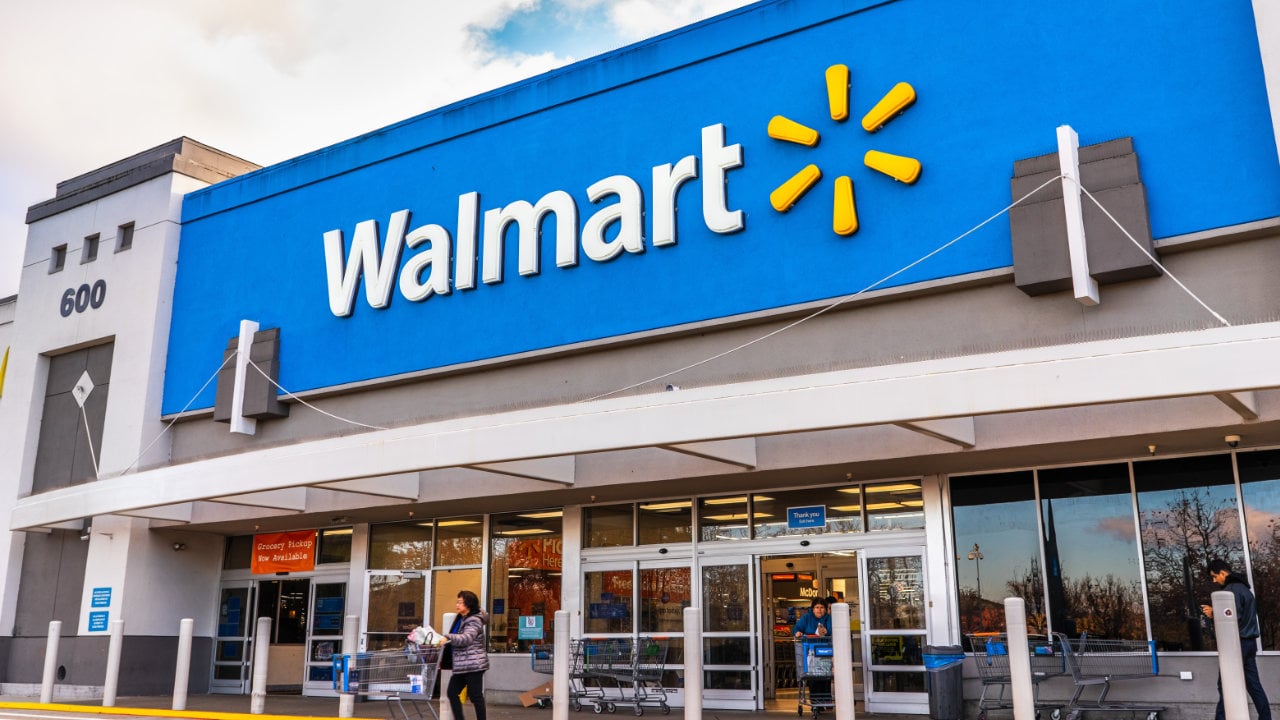
Walmart, Eli Lilly, Carnival, Arcos Dorados and Cigna were among the latest companies to object, bringing the disclosed total to 38. This follows an earlier wave of objections involving JPMorgan Chase, Coca-Cola, and Dell Technologies.
OKXICE plans to offer around-the-clock trading in tokenized US equities with stablecoin settlement under the Securities and Exchange Commission's Innovation Exemption. Companies have 30 days after receiving notice to object to having tokenized versions of their shares traded on the platform.
Beņķītis said issuer acceptance will influence how far the venue can expand, though he cautioned against assuming companies share identical concerns. He emphasized the importance of clearly explaining token backing, ownership rights, and redemption procedures to both companies and investors.