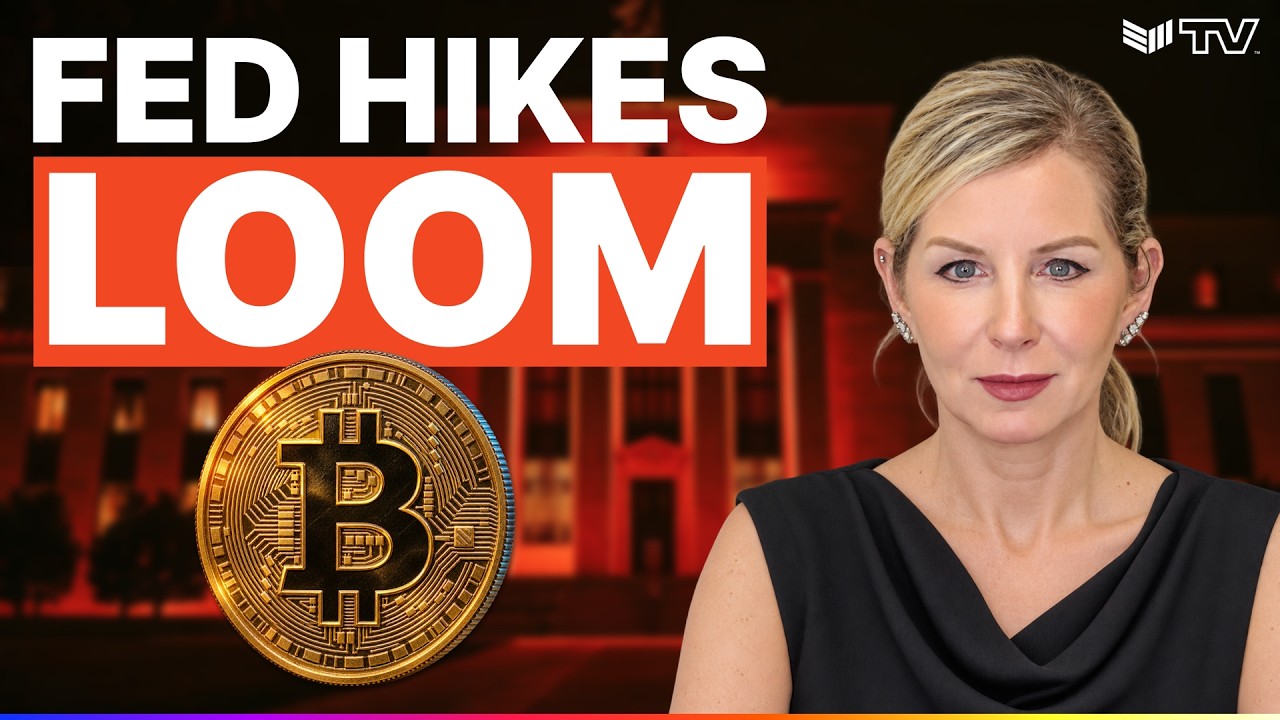
Bitcoin's strongest long-term case rests on its monetary scarcity, but that thesis should be kept separate from how the asset is trading right now, according to Tracy Shuchart. In an environment of tightening liquidity, rising yields and a stronger dollar, she said Bitcoin "behaves much more like a risk asset than a safe haven."
Shuchart's remarks came as markets weigh the Federal Reserve's next policy move, with the discussion addressing whether the central bank opts for a 25 or 50 basis point adjustment.
Long-term thesis versus current trading
Despite the shift in trading behavior, Shuchart pointed to on-chain activity as a sign of underlying resilience. She said Bitcoin transactions have stayed strong even as the price has fallen, and that "the long-term argument hasn't changed." She also said she expects adoption to continue from here.
The distinction she draws is between Bitcoin's scarcity-based investment case over the long run and its price action during periods of tighter financial conditions, when it has traded in line with risk-sensitive assets.
Macro backdrop under discussion
The conversation covered a broad set of macro and commodity themes shaping the current market environment, including:
- The Federal Reserve, the US dollar and a sell-off in commodities
- Pressure on silver and copper linked to the AI capital expenditure trade
- Gold and central bank buying
- Oil supply risk, including whether Gulf oil exports could move away from the Strait of Hormuz for good
AI trade and market attention
The discussion also addressed the Anthropic IPO and its effect on market attention, the question of when AI stocks could detach from Anthropic, and the natural gas demand generated by AI data centers.
Shuchart's bull case for Bitcoin was presented alongside her assessment that its current trading profile differs from its long-term monetary argument.