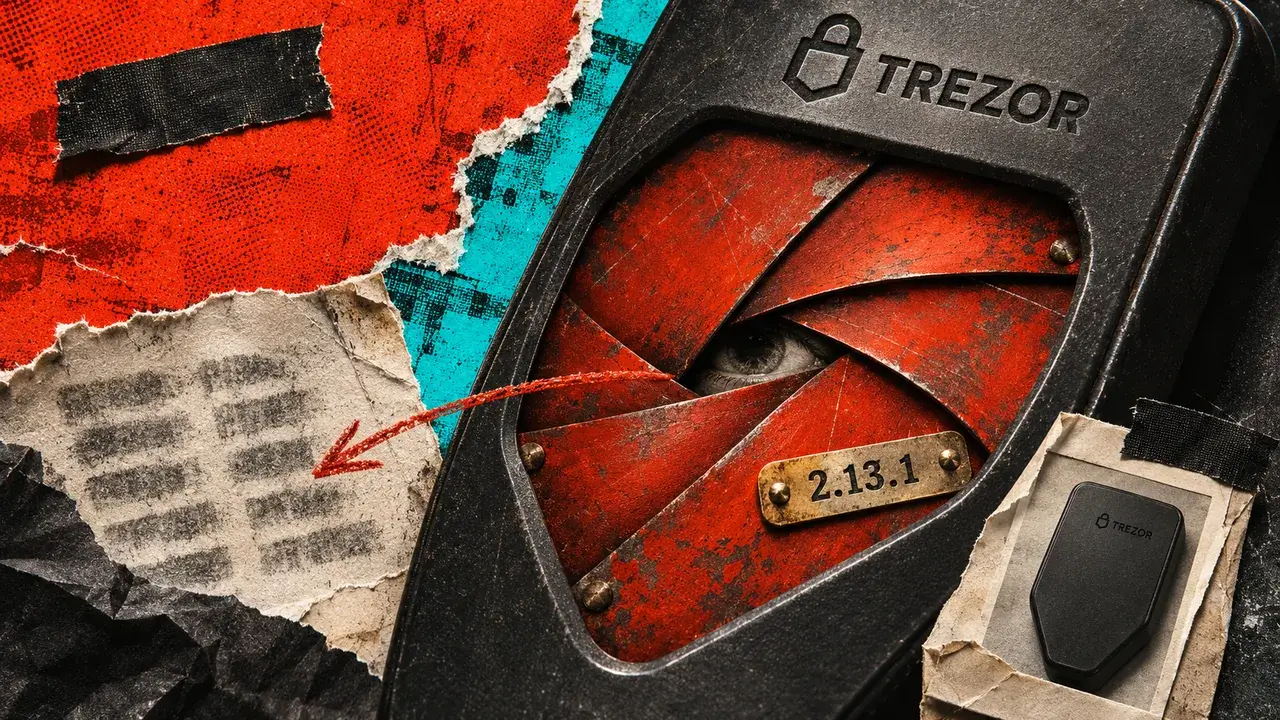
Trezor has patched malicious implants in its hardware wallets and reduced its reseller network by approximately 80% following the discovery of hidden electronic components designed to steal cryptocurrency recovery phrases.
On November 12, the company confirmed that three Trezor Safe 5 wallets purchased from Southeast Asian reseller CryptoBilis contained implants capable of capturing sensitive information and transmitting it to attackers. Trezor released firmware version 2.13.1 on November 11 to disable the identified implants.
How the Attack Worked
Trezor's security team identified the three compromised devices purchased between August 20 and September 23 through CryptoBilis's Tokopedia and Shopee storefronts and direct sales. One device was physically examined, while the other two were analyzed through photographs supplied by owners.
The attackers installed an additional circuit board between the wallet's main board and display. This implant could monitor information shown on the screen without modifying the firmware or Secure Element. The component captured recovery phrases during wallet setup or restoration, encrypted the data, and transmitted it through a mobile network to an attacker-controlled server. When connectivity was unavailable, the implant stored the data and retried transmission later.
Limitations of the Firmware Fix
While the firmware update blocks the identified implants from collecting additional information, Trezor warned that it cannot invalidate recovery phrases already exposed to attackers. The company has urged anyone who purchased a Trezor from CryptoBilis since March 2026 to create a new wallet with a different recovery phrase and transfer their funds.
Trezor reported that 48 CryptoBilis customers had contacted the company during the investigation. None of the three confirmed implant owners reported losing funds, and investigators found no evidence of similar tampering in devices examined from other resellers.
Response and Industry Context
Trezor has offered eligible customers replacement devices or refunds and is tightening requirements for how its remaining distributors source, store, and handle devices. The company continues working with cryptocurrency security response group SEAL 911 to investigate the compromises.
The incidents exposed vulnerabilities in hardware-wallet distribution, where attackers can modify genuine devices before customers receive them. This follows an October supply-chain security incident involving CryptoBilis and Ledger hardware wallets, which investigators linked to cryptocurrency thefts exceeding $86 million.