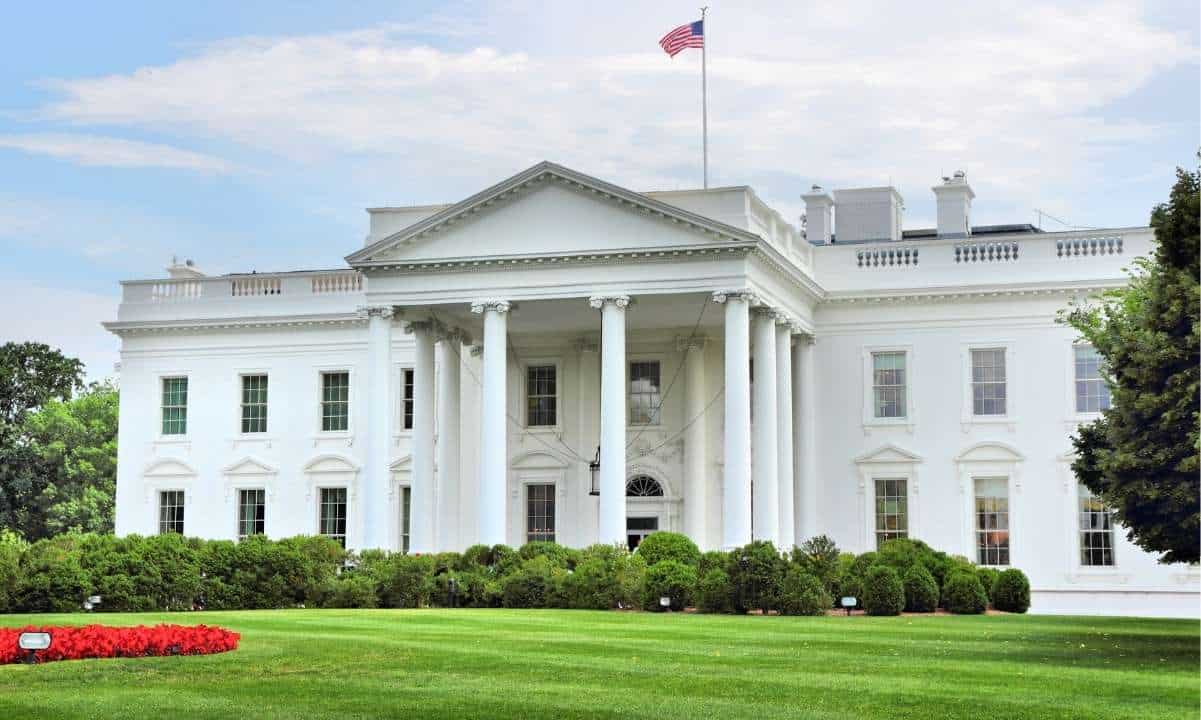
President Donald Trump hosted executives from major cryptocurrency companies—including Coinbase, Ripple, and Gemini—at the White House on Wednesday to discuss strategies for positioning the United States as a leader in the digital asset industry. The meeting focused on the Digital Asset Market Clarity Act, Bitcoin, and efforts to encourage domestic crypto activity.
Trump urged Congress to pass a fair version of the CLARITY Act, stating that the legislation would help maintain the country's competitive edge over China. Although the bill passed the House of Representatives in July 2025, it has faced delays in the Senate due to disagreements surrounding tokenized equities, stablecoin rewards, and potential conflicts involving the Trump family and the industry.
Coinbase CEO Brian Armstrong expressed confidence that the legislation will establish durable long-term policy, predicting it will secure more than 60 votes during a Senate cloture motion scheduled for September 15. Trump echoed this sentiment, describing the measure as bipartisan and noting support from various Democrats.
During the discussions, Trump mentioned that the US has evaluated plans to acquire sizeable amounts of Bitcoin and other cryptocurrencies. He also emphasized the administration's goal to maintain leadership in technologies such as prediction markets and artificial intelligence.
Additionally, Trump stated that Commodity Futures Trading Commission Chair Michael Selig is working to facilitate the entry of the perpetuals-focused trading platform Hyperliquid into the US market in a fully compliant manner. Following the remarks, HYPE traded higher.
Broader cryptocurrency markets responded positively to the White House meeting and regulatory signals. Bitcoin gained 7% to reach $70,000, Ethereum increased by nearly 18% to $2,327, and XRP rose to $1.14.
Despite the market momentum, significant political hurdles remain in the Senate. Democratic Senator Ruben Gallego advised lawmakers against rushing a vote, noting during the SALT Wyoming Blockchain Symposium that both parties must still resolve disagreements regarding ethics and stablecoin yields. Senate Democrats have advocated for language that would bar public officials, including the president, from selling digital currencies, though Gallego noted that outreach to the White House regarding these ethics provisions has seen limited progress.