U.S. President Donald Trump has promised to distribute $5,000 to every American if Republicans win control of both chambers of Congress in upcoming midterm elections. From an economic standpoint, this cash injection could serve as a catalyst for increased interest in higher-risk assets, including cryptocurrency.
The proposed payout would represent approximately 150% of the COVID-19 stimulus checks distributed in 2020, according to analysis from DWF Labs. If a portion of that liquidity enters the cryptocurrency market, it could fuel speculative demand and potentially spark another period of increased risk appetite similar to the 2020-21 cycle.
Historical Precedent: The 2020-21 Cycle
During the 2020-21 bull market, Bitcoin climbed past its previous $20,000 high in December 2020, then more than doubled to around $42,000 by January 2021. The asset continued climbing above $60,000 in the first half of 2021 before reaching nearly $69,000 in November.
That cycle was driven by increased institutional demand, with companies such as MicroStrategy and Square acquiring Bitcoin while PayPal and other firms expanded cryptocurrency services. The initial COVID-19 stimulus provided eligible Americans with $1,200 per adult plus $500 per child, with an additional $600 per adult distributed in late December 2020.
Institutional Demand Today
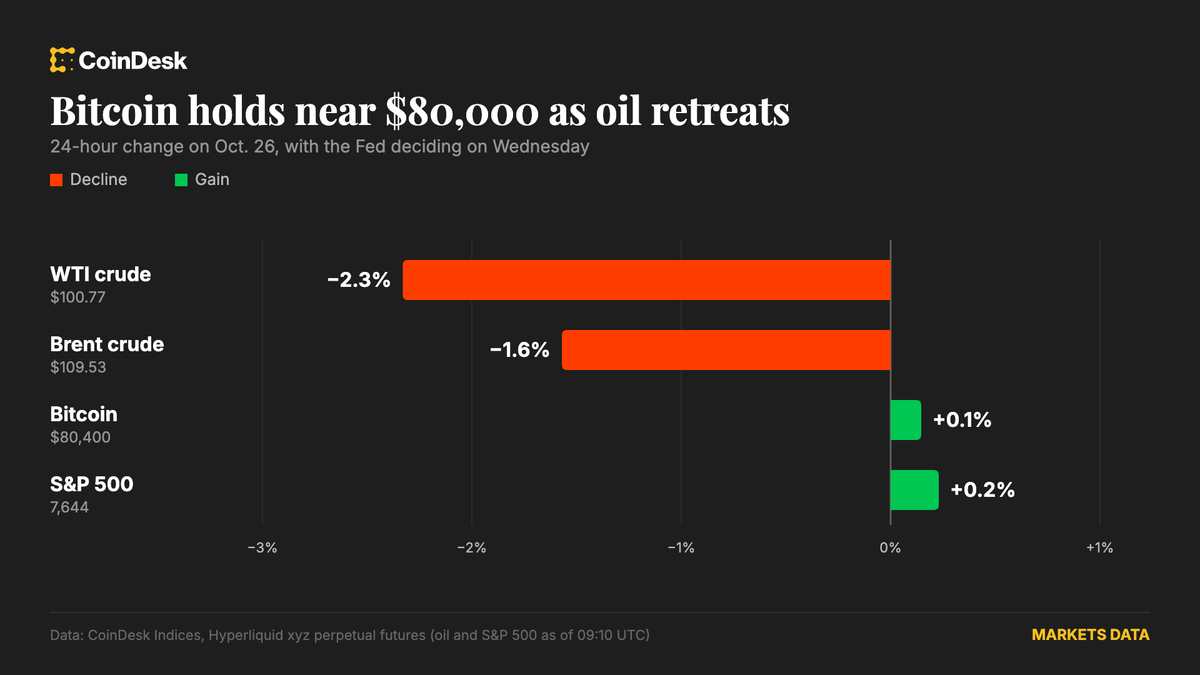
A key difference between then and now is the depth of institutional participation in cryptocurrency markets. Major financial players continue to accumulate Bitcoin at current levels. BlackRock's IBIT spot Bitcoin ETF added $195.6 million in Bitcoin, bringing its net accumulation to around $1.57 billion over the previous month. Bitcoin has held above $80,000 for two consecutive weeks as institutional buyers have stepped in at key support levels.
These patterns suggest strong institutional demand during the current consolidation phase, with major players appearing to position themselves strategically. If fresh consumer liquidity from a government payout enters risk assets alongside this existing institutional demand, it could amplify upward pressure on Bitcoin and other cryptocurrencies.