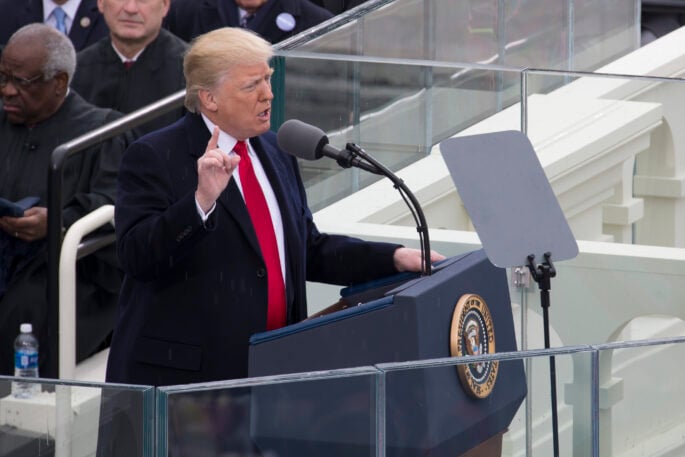
President Donald Trump signed H.R. 10167, known as the Common Cents Act, into law on November 20, officially ending U.S. penny production. The legislation, introduced by Michigan Republican Representative Lisa McClain and co-sponsored by California Democratic Representative Robert Garcia, mandates the Department of the Treasury to cease penny production except for collector needs.
Under the new law, pennies already in circulation will remain legal tender. Cash transactions must now round to the nearest five cents, while electronic payments will continue to accept penny-level amounts.
The penny has become increasingly costly to produce. According to the U.S. Department of the Treasury, production costs rose from 1.3 cents per coin in 2015 to 3.69 cents per coin by 2025. The Treasury estimates annual savings of $56 million from halting penny production, though Representative McClain projects higher savings of $85 million annually.
The law also authorizes the U.S. Mint to modify the nickel's composition, changing from its current 75% copper and 25% nickel alloy to a design with an inner layer of zinc and outer layer of nickel. This adjustment aims to lower production costs. The legislation establishes a procedure allowing the Department of the Treasury to discontinue any coin after briefing Congress, with analysts suggesting the nickel may follow the penny.