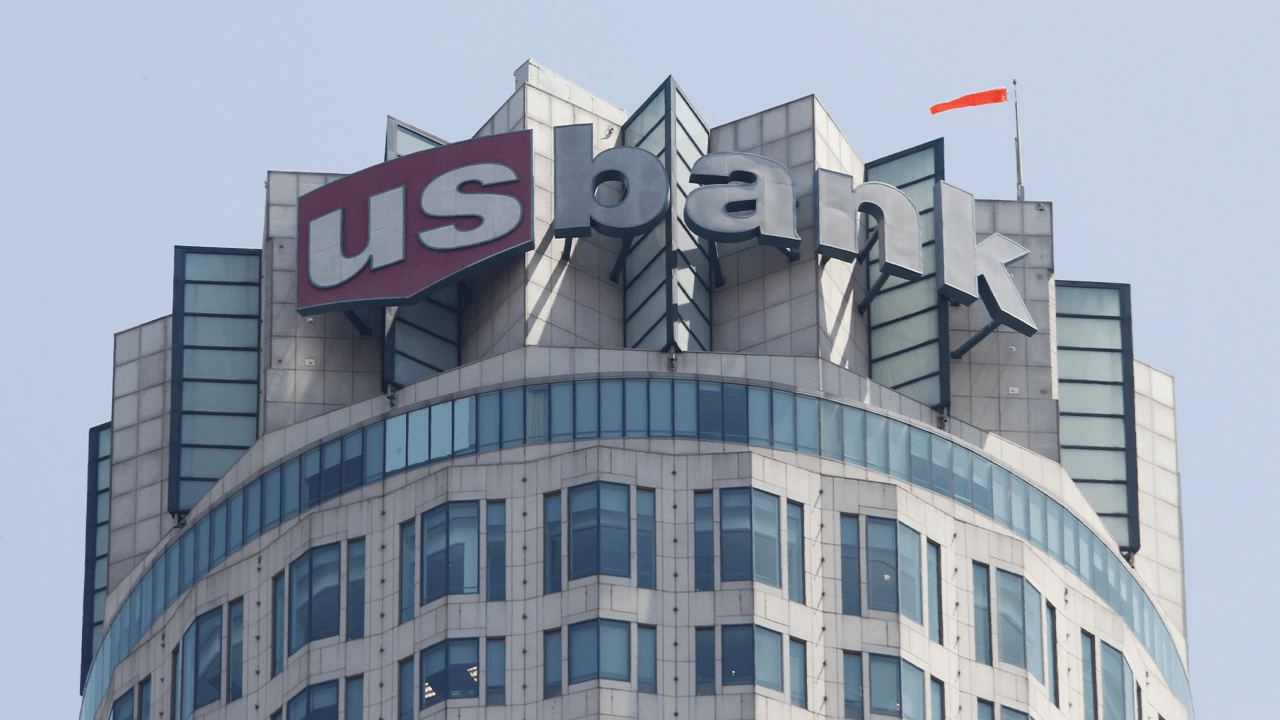
U.S. Bank, the fifth-largest commercial bank in the United States, announced it completed a cross-border payment using its own stablecoin on the public Stellar blockchain. On September 9, the Minneapolis-based lender transferred USBDC between U.S. Bank entities in North America and Europe.
The 163-year-old financial institution, which has been operating since Abraham Lincoln's administration, holds approximately $445.4 billion in assets under management as of June 2026. The transfer represents an unusual step for a major bank, as USBDC traveled on an open network while remaining integrated with the bank's existing systems.
"This live pilot demonstrates our ability to accelerate global cash management and money movement capabilities," said Gunjan Kedia, chairman and chief executive officer at U.S. Bank. "We are excited to create value for our clients and harness the power of a new technology within the banking system."
Testing the Digital Asset Platform
The pilot validates U.S. Bank's Digital Asset Platform, a suite of infrastructure that evaluates minting, payment redemption, freezing, and clawback capabilities. Few large banks have pursued similar initiatives on public blockchains.
Other financial institutions have undertaken related projects, including Société Générale's EURCV and USDCV via SG-FORGE, SoFi Bank's SoFiUSD, and stablecoins from Custodia Bank and Vantage Bank called Avit. JPMorgan operates JPMD on Coinbase's Base network, though it classifies the token as a deposit token rather than a stablecoin. Earlier in the same week, Citi and DBS executed a tokenized USD transfer using the Swift blockchain network.
Building on Existing Partnership
U.S. Bank and the Stellar Development Foundation have been collaborating on the project. "This pilot is another step forward in our broader digital asset strategy," said Jamie Walker, head of Digital Assets and Money Movement at U.S. Bank. "Our focus remains on delivering solutions that solve real client challenges while maintaining the safety, security, and reliability that clients expect from U.S. Bank."