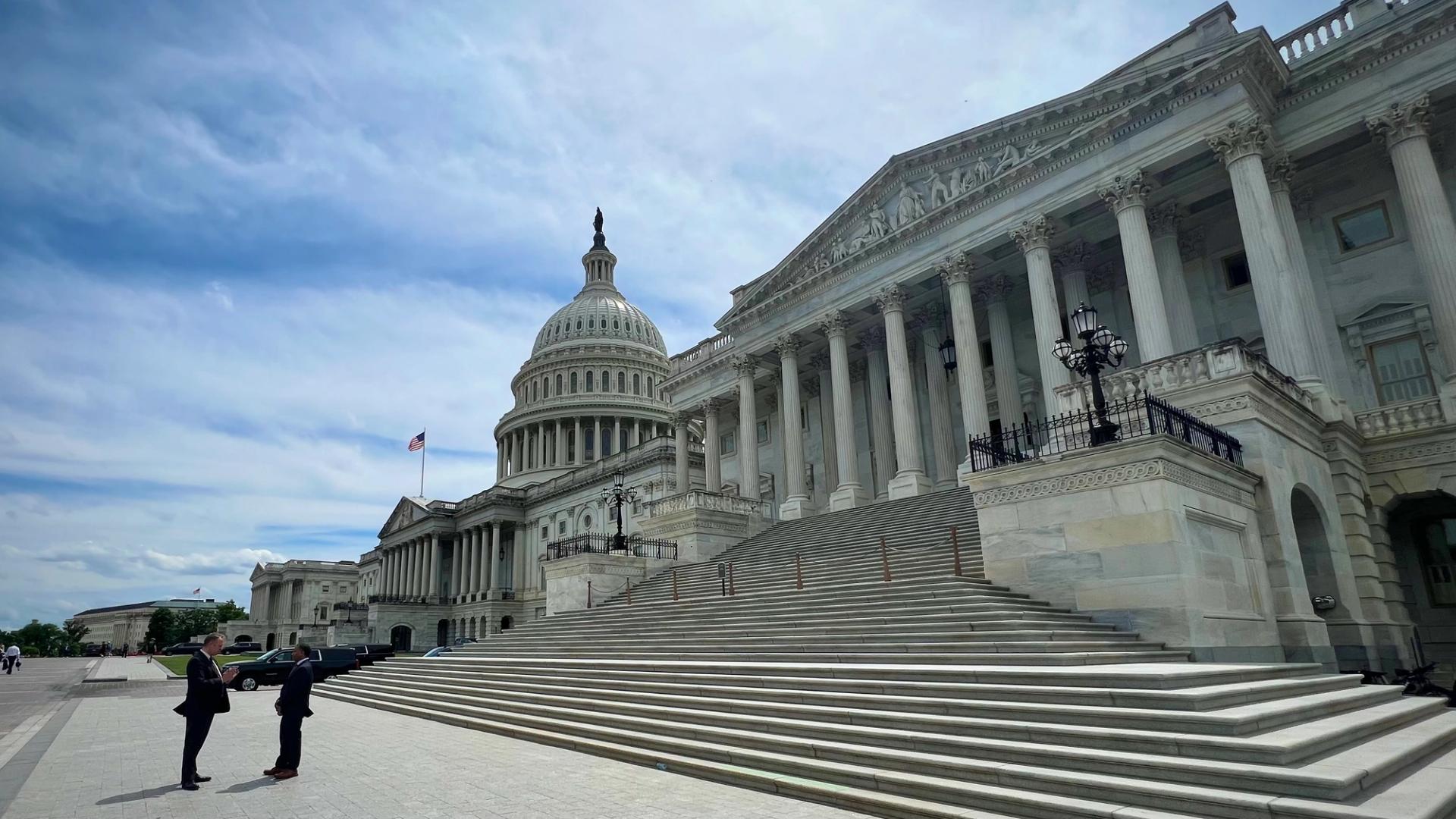
The U.S. midterm election on November 3, 2026, will determine which party controls the House of Representatives and Senate, with significant implications for cryptocurrency regulation and legislation in the year ahead.
As of early October, polling suggests Democrats are favored to flip control of the House, while Senate control remains uncertain. Prediction markets on Kalshi and Polymarket similarly indicate Democratic gains in both chambers.
Congressional Oversight and Regulatory Priorities
Congress plays a crucial role in overseeing federal regulators including the Securities and Exchange Commission, Commodity Futures Trading Commission, Office of the Comptroller of the Currency, and Treasury Department. The composition of the next Congress will determine how these agencies are supervised and what budgets they receive for rulemaking efforts.
The failed Clarity Act has left questions about how federal agencies will interact with the crypto industry. Congress will need to establish clear parameters for regulatory authority moving forward.
Legislation on the Horizon
Crypto tax legislation is expected to be a priority. The House Ways and Means Committee passed a crypto tax bill last month with significant bipartisan support, and Senator Steve Daines introduced a companion bill to the Senate last week. Lawmakers may also take up a new market structure bill, though its prospects remain uncertain.
Industry Political Activity
Political spending by crypto interests has been limited so far. The Fairshake Super PAC, funded by multiple companies in the industry, and the Digital Freedom Fund, funded primarily by Gemini founders Cameron and Tyler Winklevoss, have announced combined expenditures of $33 million, with most spending focused on former Senator Sherrod Brown. Fairshake stated as of mid-week that it has no further expenditures planned at this time.